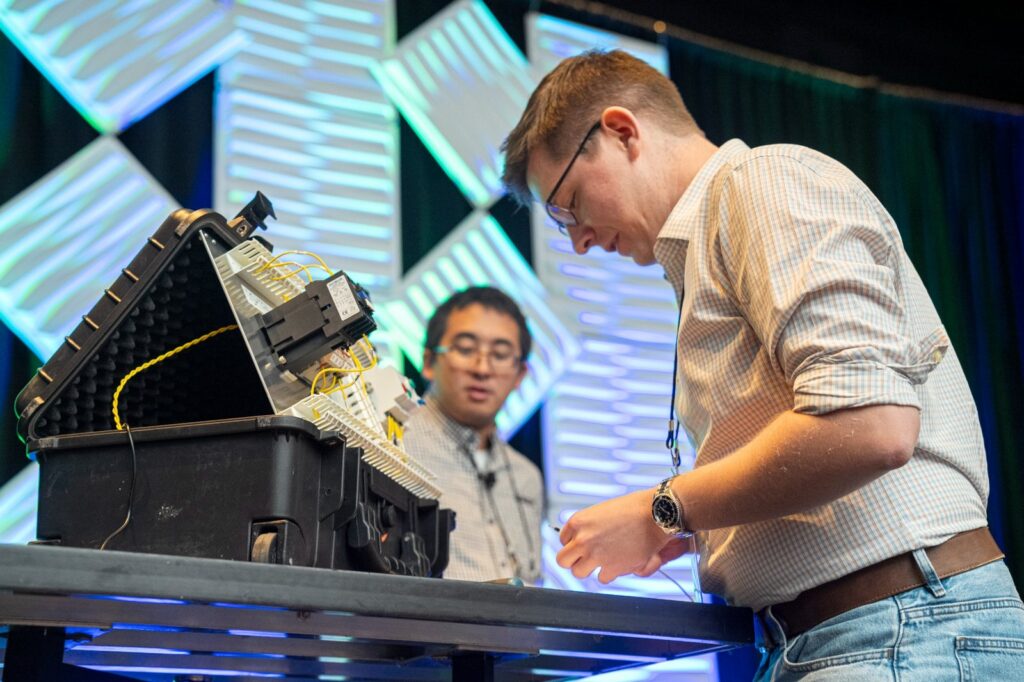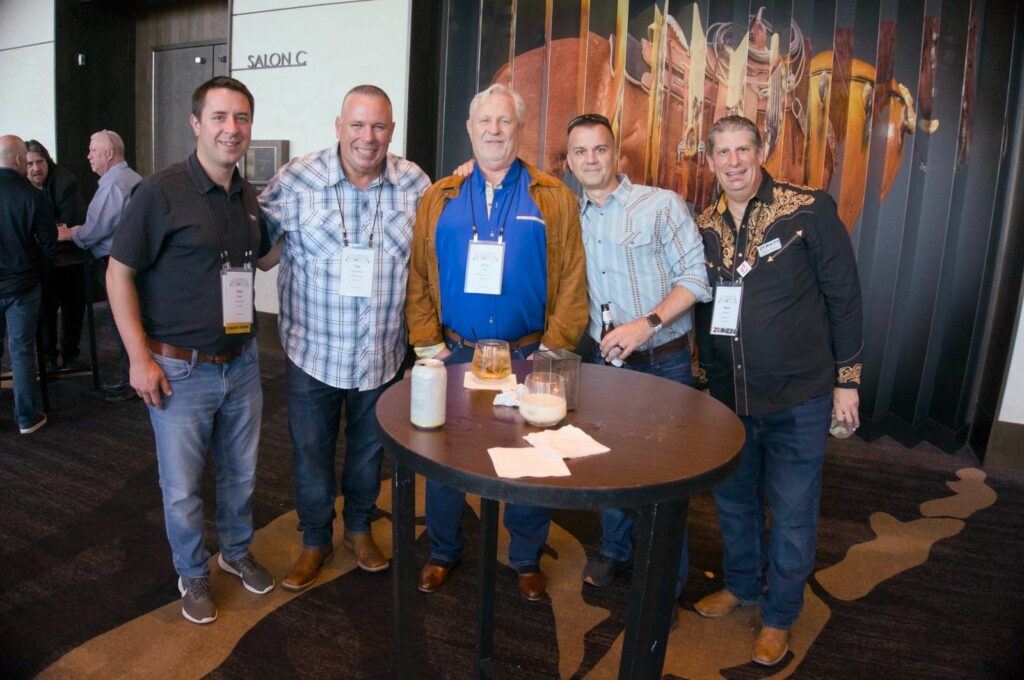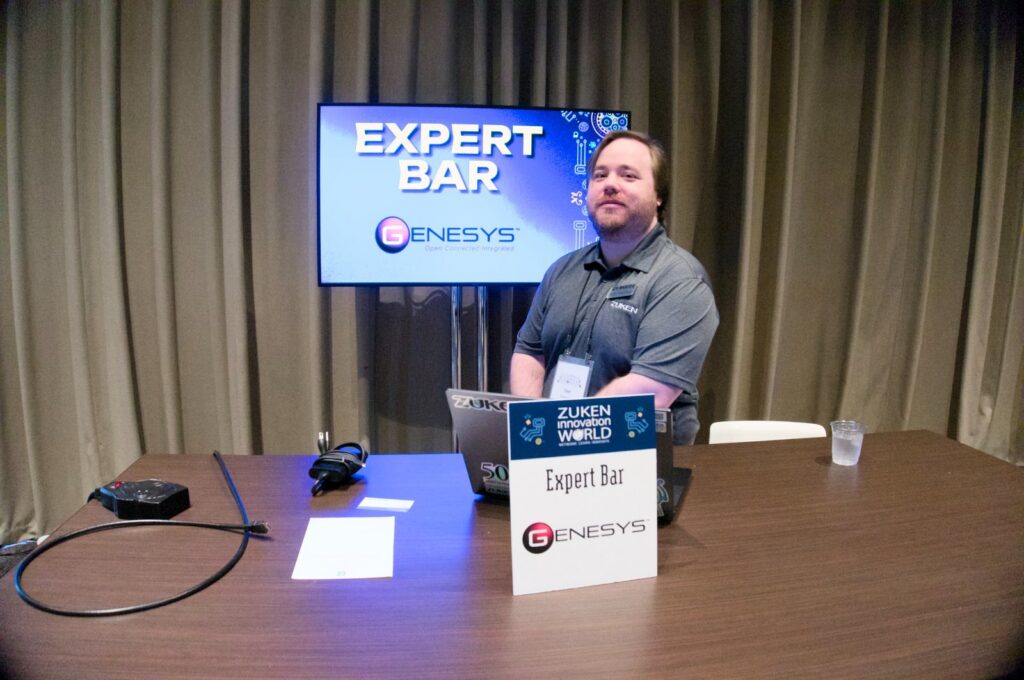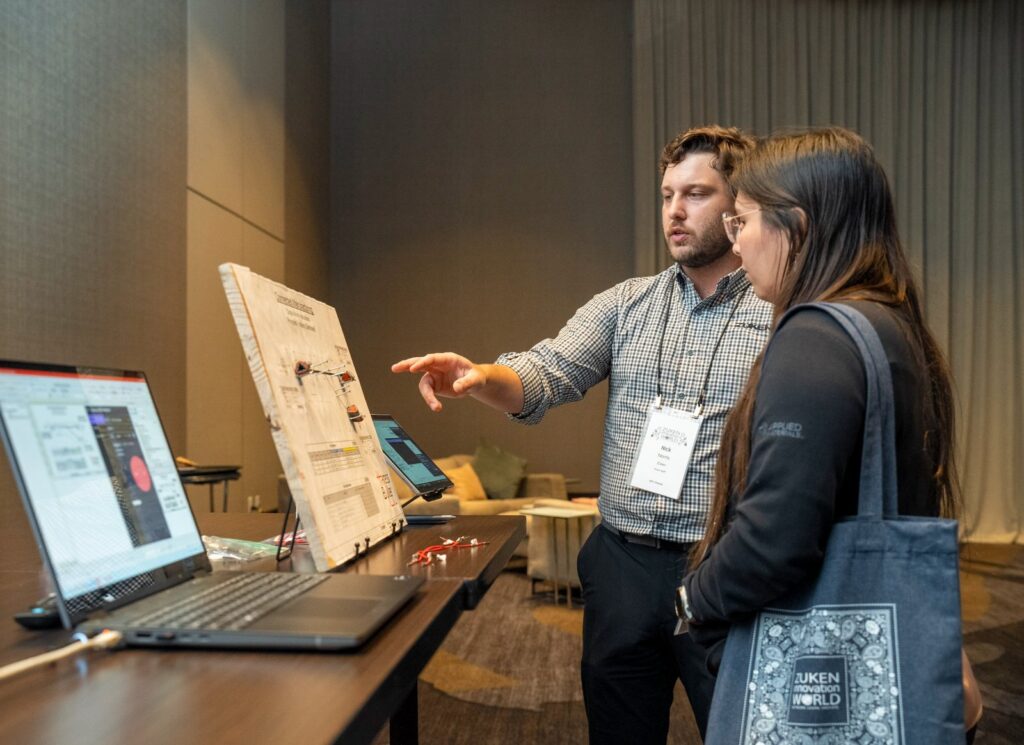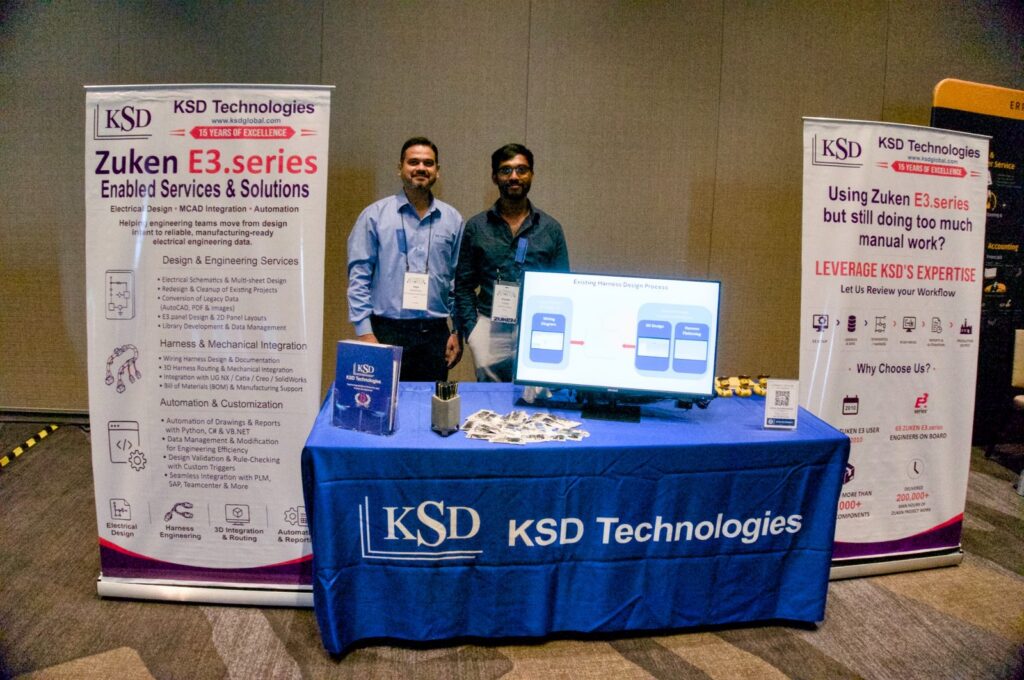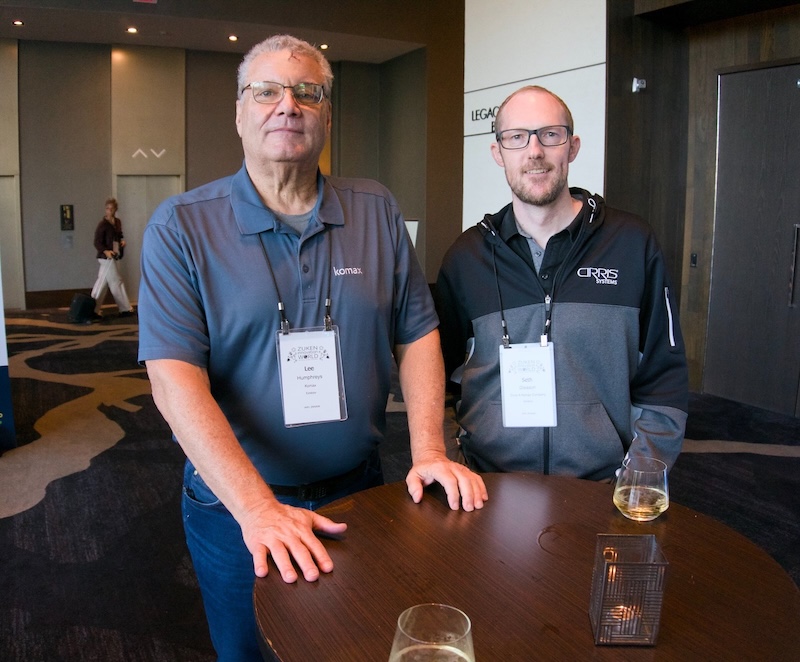
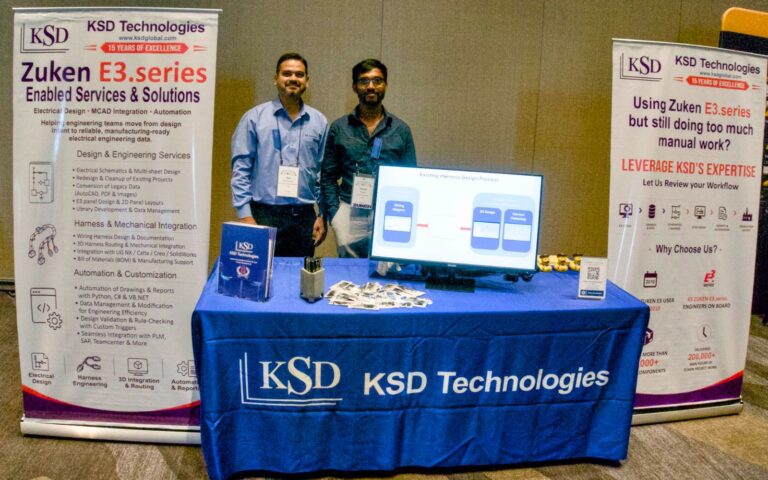


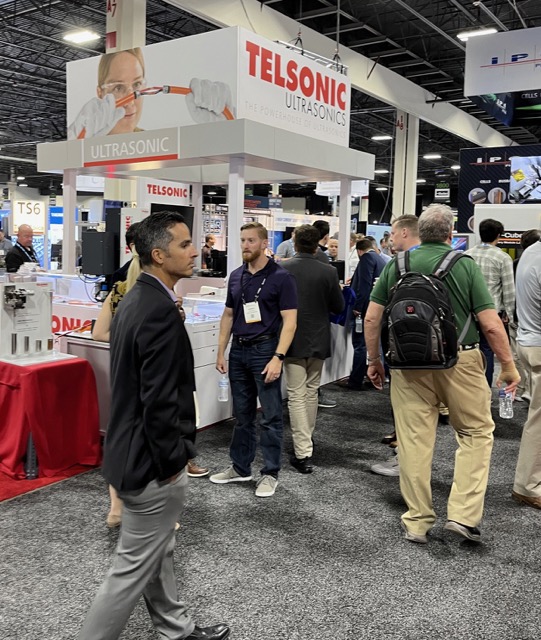


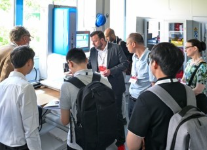






Zuken Innovation World (ZIW) returned to Dallas this year, bringing together representatives from more than 40 companies across industries such as aerospace, automotive, defense, industrial equipment, transportation, energy, and manufacturing for several days of presentations, demonstrations, and networking focused on the future of engineering and manufacturing.
Attendance was brisk throughout the event, which felt larger than expected and maintained a high level of engagement from start to finish. Unlike many conferences where attendees drift toward their phones during presentations, the audience at ZIW remained focused on the discussions taking place on stage. Between sessions, conversations quickly resumed in hallways, networking areas, and around lunch tables as attendees compared experiences, discussed challenges, and exchanged ideas.
That strong participation extended beyond the conference itself. Zuken also reported record attendance at its complimentary E3.series Update Training course and professional certification exams, both held the day before the conference officially opened.
The overall mood was notably optimistic. While business conditions and market uncertainty remain topics of discussion across the industry, many attendees appeared less concerned about generating new opportunities and more focused on meeting schedules, improving processes, and finding ways to work more efficiently.
That focus on efficiency surfaced repeatedly throughout the event. While software demonstrations were certainly part of the agenda, ZIW felt less like a traditional software conference and more like a discussion about how information moves throughout an organization. A recurring theme was the importance of connecting engineering, manufacturing, and business systems into a more seamless digital workflow.
Zuken positioned itself not simply as a CAD software provider, but as a company focused on strengthening the digital thread that links product design, manufacturing, documentation, and production. Presentations emphasized the importance of keeping engineering data connected and usable throughout the product lifecycle.
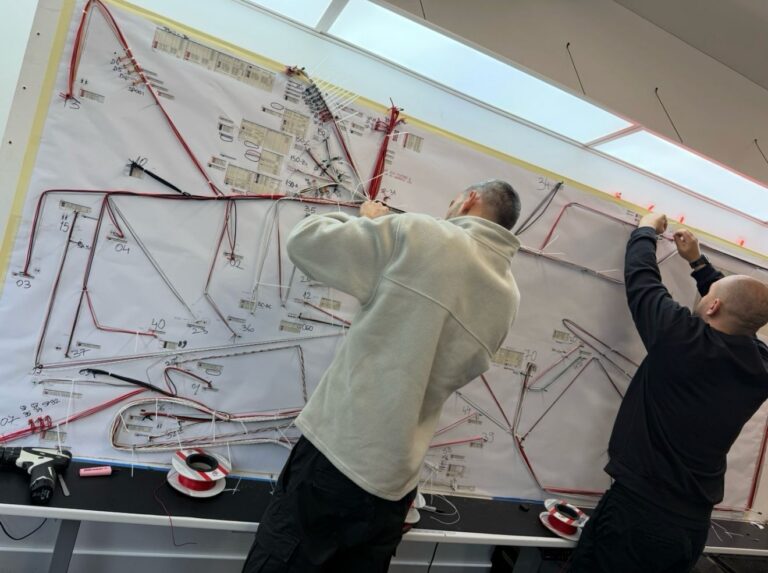
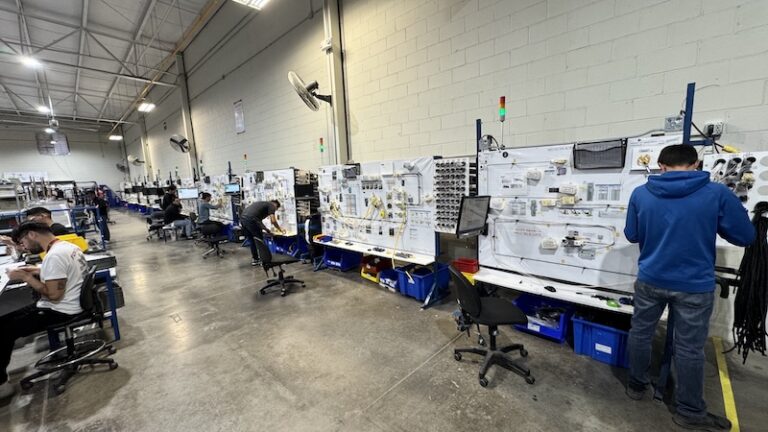
For wire harness manufacturers, that message was particularly relevant. The challenges associated with transferring information from design to production remain familiar throughout the industry, and many discussions centered on reducing inefficiencies that occur when data must be recreated, reformatted, or manually transferred between departments.
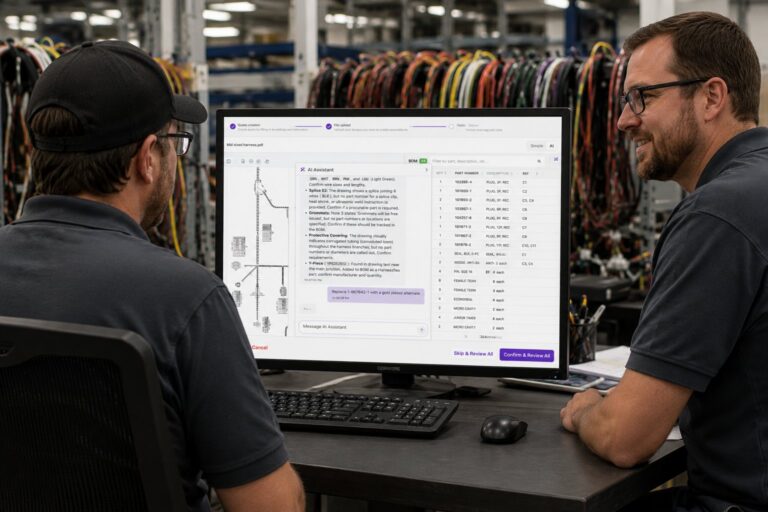
Artificial intelligence was another topic that appeared frequently throughout the conference. Unlike some industry events where AI discussions are dominated by concerns over disruption, the tone at ZIW was largely positive. Speakers and attendees focused on practical applications and ways AI can improve productivity, reduce repetitive work, and help organizations make better use of the data they already possess.
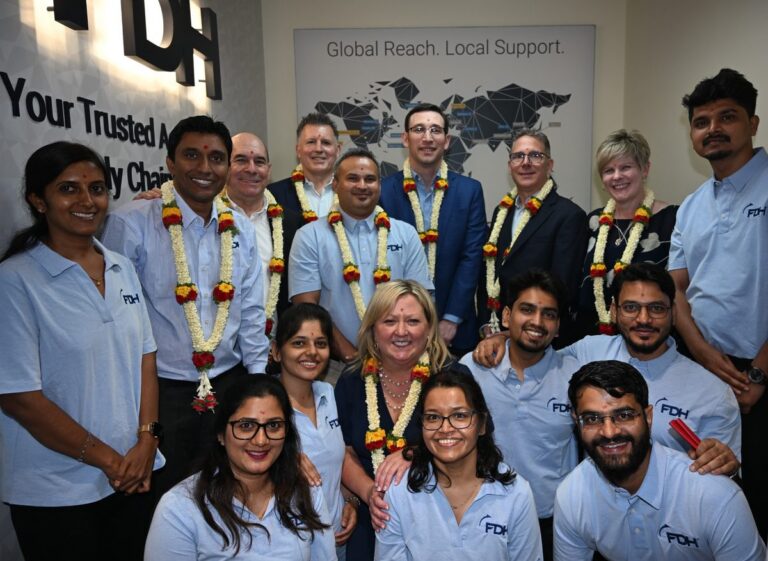
Conversations outside the formal presentations often proved just as valuable as the sessions themselves. One of the more noticeable aspects of the event was the willingness of attendees to engage with people they had not previously met. Rather than clustering into familiar groups, many participants intentionally sought out new conversations, creating a strong networking environment throughout the conference.
Among the challenges discussed during these informal conversations, the quoting process emerged as a common concern. While attendees acknowledged significant progress in automation and digitalization, many agreed that quoting remains a bottleneck for manufacturers. Most viewed it as an area where the industry is making meaningful progress, but one that still has considerable room for improvement.
50 Years and Still Growing
This year’s event also coincided with an important milestone for Zuken. During his opening remarks, Zuken USA President Kent McLeroth noted that the company is celebrating its 50th anniversary this year, making it the only electronic design automation (EDA) company to reach that milestone. Founded in 1975, Zuken has grown from its early PCB design systems into a global engineering software provider whose portfolio now includes PCB design, electrical systems design, engineering data management, and model-based systems engineering solutions.
McLeroth highlighted how dramatically the industry has evolved over those five decades, recalling an era when entire rooms of equipment were required to design a single printed circuit board. Today’s engineering environments, by contrast, support complex multi-disciplinary design processes that connect engineering teams across products, departments, and locations. He also noted that the company achieved record revenue and profit performance in its most recent fiscal year.
As Zuken enters its sixth decade, ZIW demonstrated that the company’s focus extends beyond software features and product updates. The event reflected a broader vision centered on connectivity, collaboration, and the increasingly important role of the digital thread in modern manufacturing. Judging by the level of participation and engagement in Dallas, attendees left with more than product updates. They left with a clearer picture of how connected engineering data can improve collaboration across the entire manufacturing process.