





























By Joe DeMan
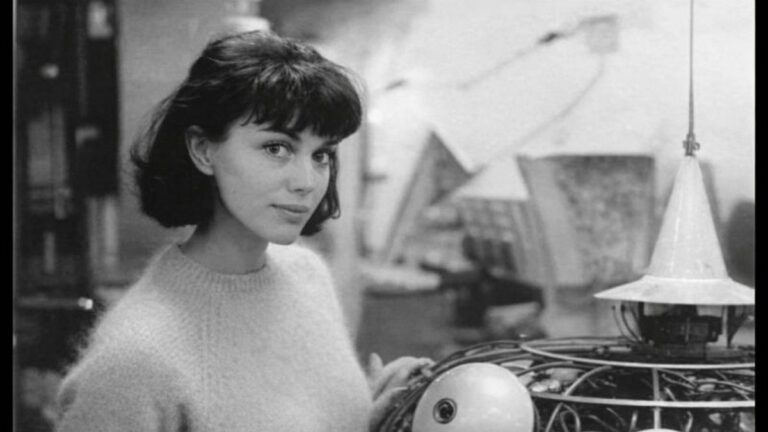
Judith Love Cohen’s life was marked by brilliance, resilience, and a quiet determination that helped shape one of the most dramatic moments in spaceflight history. Although she experienced her share of personal hardships, including the early loss of her sister Rosalind, the death of her brother Howard, two divorces, and the unimaginable loss of a child, her legacy is defined not by tragedy, but by extraordinary achievement.
Her career serves as a reminder that history is often shaped by engineers whose names rarely appear in history books, but whose work quietly changes the course of events.
Born on August 16, 1933, in Brooklyn, New York, Judith displayed an exceptional aptitude for mathematics from an early age. By the fifth grade, classmates were paying her to complete their math homework. She was often the only girl in her advanced math classes and initially planned to become a mathematics teacher. Fortunately for the engineering profession, her ambitions eventually took her in another direction.
At just 19 years old, Judith began studying engineering, entering a profession where women were still a rarity. While attending the University of Southern California at night, she earned both her bachelor’s degree in 1957 and her master’s degree in engineering in 1962. Remarkably, she completed both degrees without ever having another woman in one of her engineering classes. Her perseverance and determination opened doors for the generations of female engineers who would follow.
By 1967, Judith had joined the Apollo Space Program, where she worked on one of the spacecraft’s most important backup systems: the Lunar Module’s Abort Guidance System (AGS). The AGS was designed to safely guide astronauts if the primary guidance system became unavailable during lunar operations. Like any backup system, engineers hoped it would never be needed.
History had other plans.
In April 1970, an oxygen tank exploded aboard Apollo 13, crippling the spacecraft and forcing NASA to abandon its planned Moon landing. As engineers searched for ways to conserve electrical power while safely guiding the astronauts home, the Abort Guidance System became an important part of the solution. The system Judith helped develop played a key role in several of the procedures that ultimately contributed to Apollo 13’s safe return, making it part of one of NASA’s greatest engineering success stories. While the astronauts rightfully received worldwide recognition, the engineers whose work had been built into the spacecraft years before launch quietly celebrated from the ground. Judith Love Cohen was one of them.
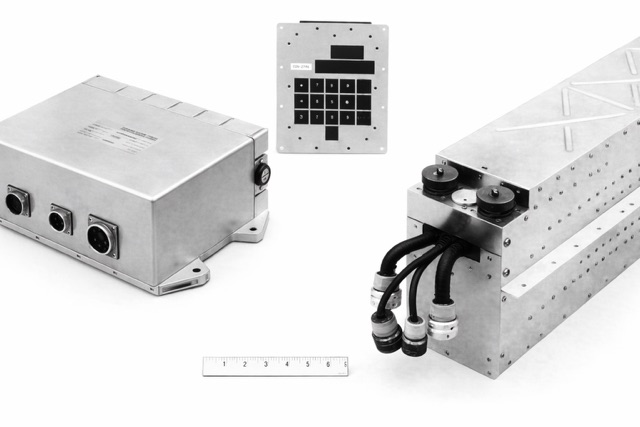
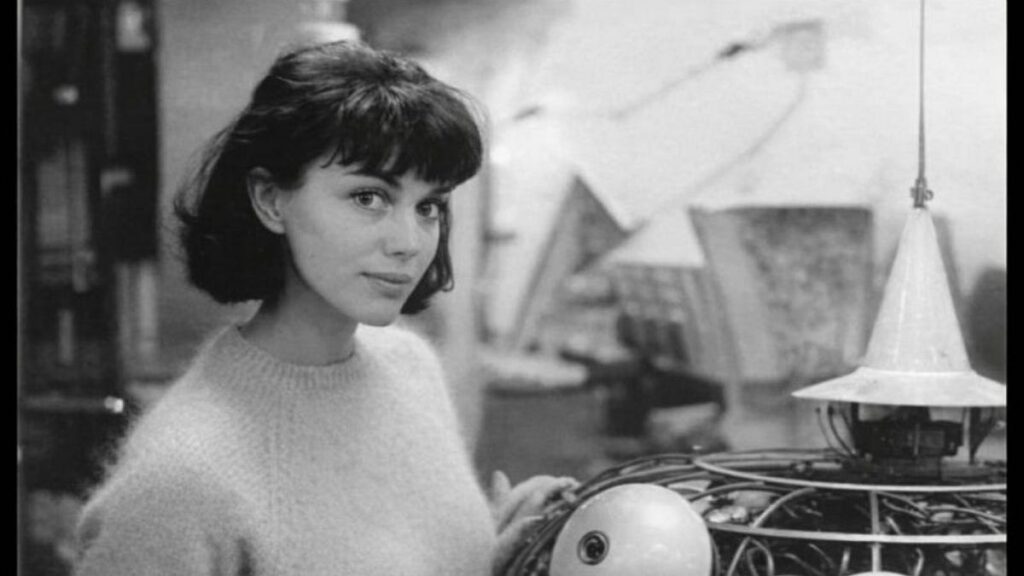
Judith Love Cohen helped develop the Apollo Lunar Module’s Abort Guidance System (AGS). Photo courtesy of NASA.
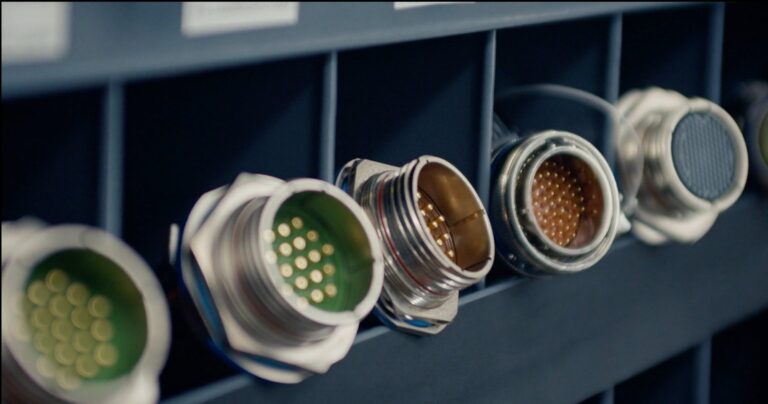
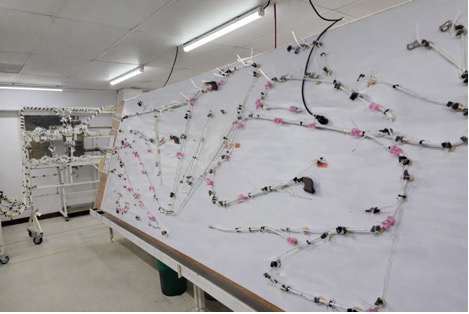
For readers of Wiring Harness News, the Abort Guidance System holds another point of interest. Remove its protective cover and you’ll find many of the same elements familiar to today’s aerospace manufacturers: carefully routed wiring harnesses, connectors, interconnects, electronic assemblies, and precision box-build workmanship. Although more than fifty years have passed since it was designed, the principles behind its construction remain the same. Every connection had to perform flawlessly because once the spacecraft left Earth, there would be no opportunity for repair.
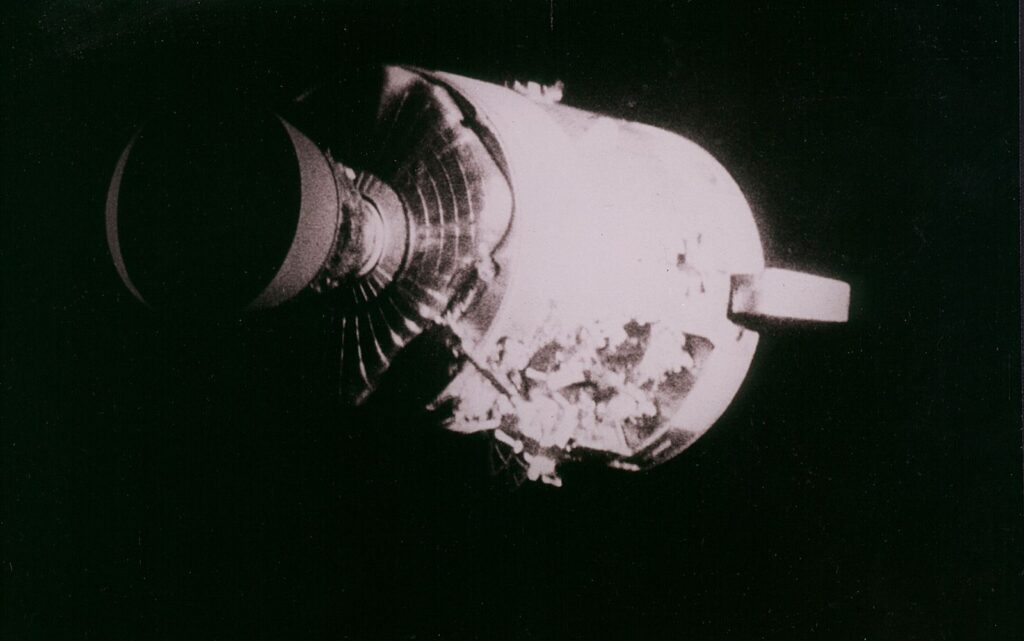
Apollo 13’s damaged Service Module after the oxygen tank explosion. Photo courtesy of NASA.
Judith poured herself into the development of the AGS, refining and improving its design. One story has become almost legendary among those familiar with her career. During the final stages of the project in 1969, Judith went into labor with her son. On the way to the hospital, she reportedly stopped long enough to telephone her supervisor with a design correction she had identified for the AGS. Only after making sure the information had been passed along did she continue to the hospital, where she gave birth.
The story has become one of the best-known anecdotes about Judith Love Cohen, not because it suggests engineering should come before family, but because it reflects the commitment and professionalism that defined her career. Those who worked with her remembered an engineer who cared deeply about getting things right, a quality that undoubtedly contributed to the success of the projects on which she worked.
After Apollo 13 returned safely to Earth, the astronauts visited TRW’s Redondo Beach facility to personally thank the engineers who had developed the Abort Guidance System. It was a rare opportunity for the people behind the hardware to receive recognition alongside those who flew the mission. Judith was among those engineers, quietly sharing in one of NASA’s greatest success stories.
Following her retirement from aerospace, Judith reinvented herself once again. She founded a children’s multimedia publishing company and went on to author more than twenty books, many of them encouraging young readers, especially girls, to pursue careers in science, technology, engineering, and mathematics. Long before STEM education became a national priority, Judith was inspiring future engineers through her writing as she had once inspired her colleagues through her work.
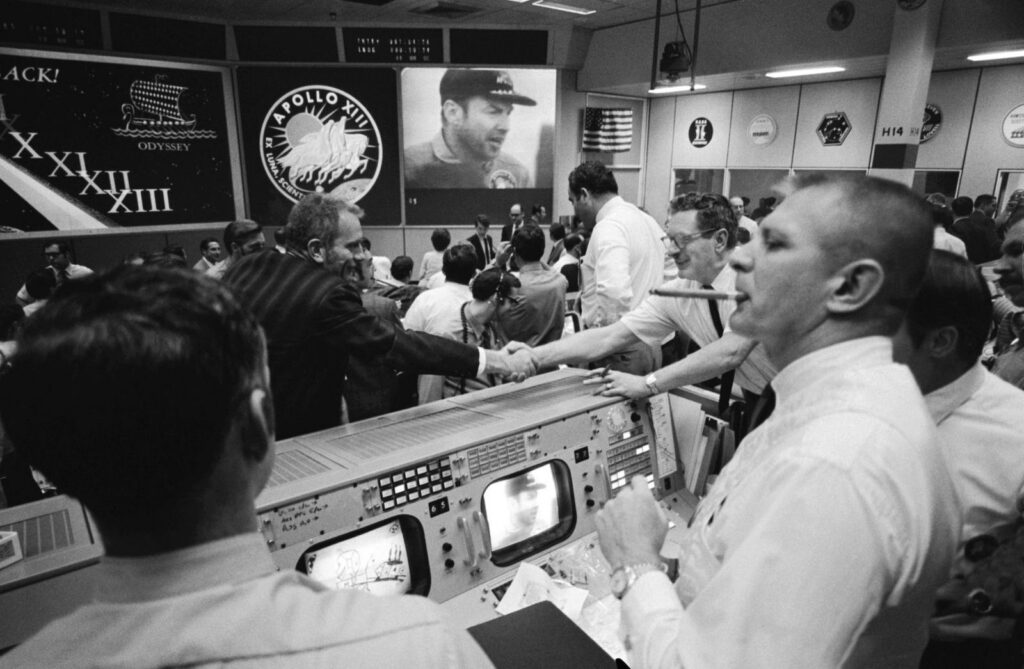
Mission Control celebrates Apollo 13’s safe return. Photo courtesy of NASA.
Judith Love Cohen stands as one of the many unsung heroes of the harness, interconnect, and box-build industry. While astronauts and flight directors became the public face of Apollo 13, engineers like Judith provided the foundation that made the rescue possible. Her story is a reminder that behind every historic achievement are talented individuals whose names may never become widely known, yet whose contributions leave a lasting impact.
For those of us in the wire harness and interconnect industry, her legacy carries an additional meaning. The products designed and manufactured by our industry often disappear inside larger systems, rarely attracting attention unless something goes wrong. Apollo 13 demonstrated just how important those unseen systems can be. Every harness, every connector, every interconnect, and every carefully assembled box-build becomes part of something much larger, and reliability is never an accident.
Judith Love Cohen spent her career proving exactly that.
One final bit of trivia. The baby Judith gave birth to after stopping to call in that design correction grew up to become actor and comedian Jack Black. It’s an interesting footnote to an extraordinary life, but perhaps the more remarkable story is the one that’s less familiar: his mother helped engineer one of the backup systems that quietly became part of one of history’s greatest rescues.