




















A Conversation with Vipul Deshbhratar of KSD Technologies
As vehicles and industrial equipment incorporate more controllers, sensors, communication networks and embedded electronics, wiring harness design is becoming increasingly intertwined with the electrical and electronic architecture of the entire product. Decisions made in one engineering discipline increasingly affect several others.
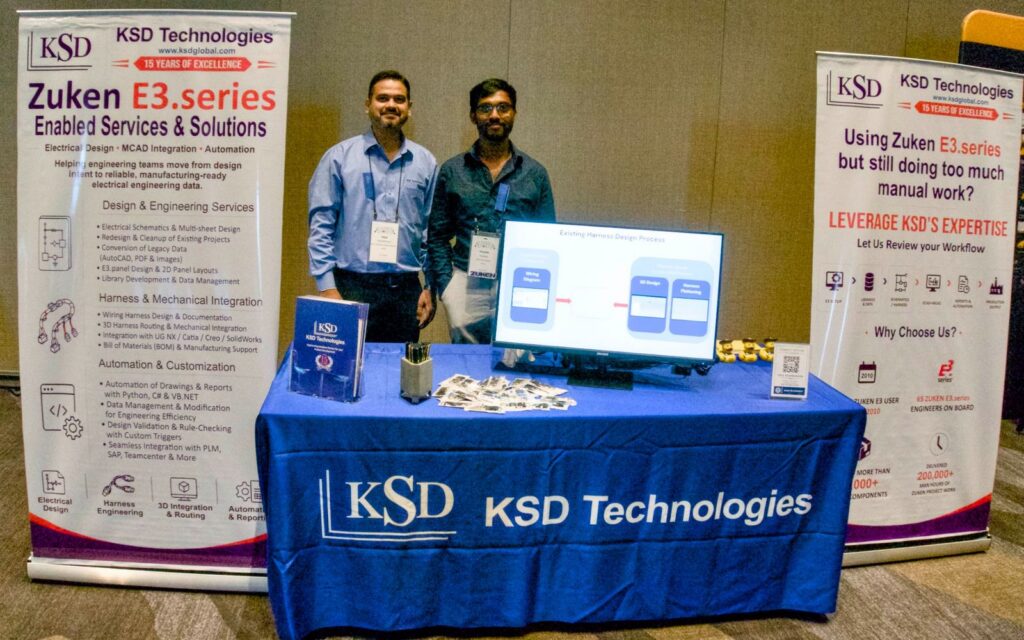
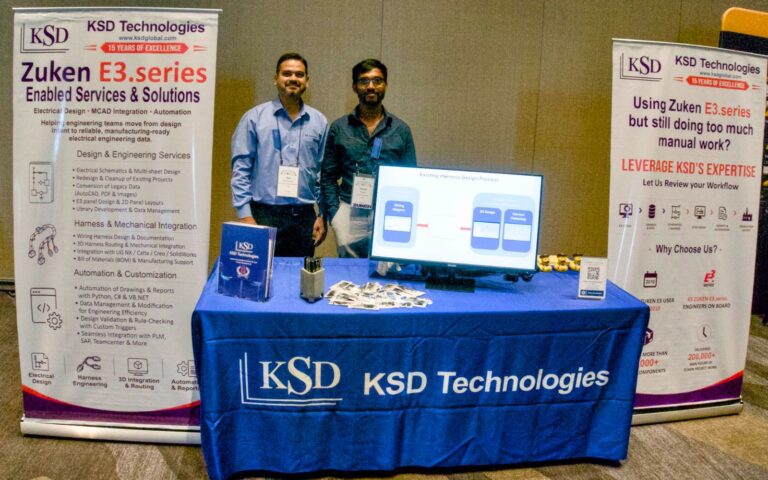
That intersection is familiar territory for Vipul Deshbhratar, Manager of Electrical & Embedded Systems at KSD Technologies Pvt. Ltd. KSD supports customers across the electrical and embedded engineering lifecycle, including electrical system and wiring harness development, ECAD-MCAD integration, embedded application development, system integration, testing and validation.
Wiring Harness News recently caught up with Vipul to discuss the changing role of the harness, the importance of manufacturability and engineering data, modernization of legacy equipment, electrification, and why electrical, embedded, mechanical and manufacturing engineers need to understand one another better.
WHN: For readers who may not be familiar with KSD Technologies, can you briefly describe your role and the types of projects your Electrical & Embedded Systems team supports?
Vipul: I lead the Electrical & Embedded Systems team at KSD Technologies. Our work is quite hands-on, and we support customers across the electrical and embedded engineering lifecycle, from defining requirements and architecture through detailed design, integration, testing and validation.
A significant part of our work is in automotive and off-highway equipment, but we also support industrial products and machines. On the electrical side, this includes electrical system and wiring harness development, redesign of existing systems, engineering documentation, component and library development, and migration of legacy data into platforms such as Zuken E3 and Siemens Capital.
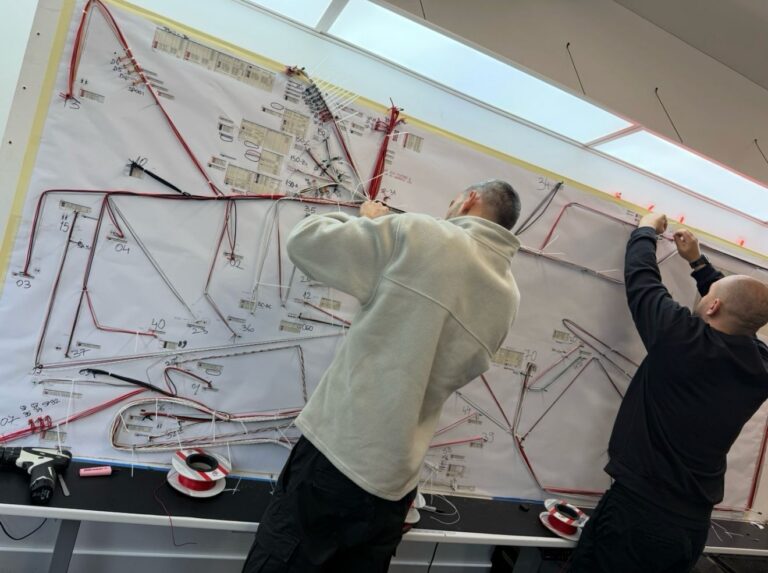
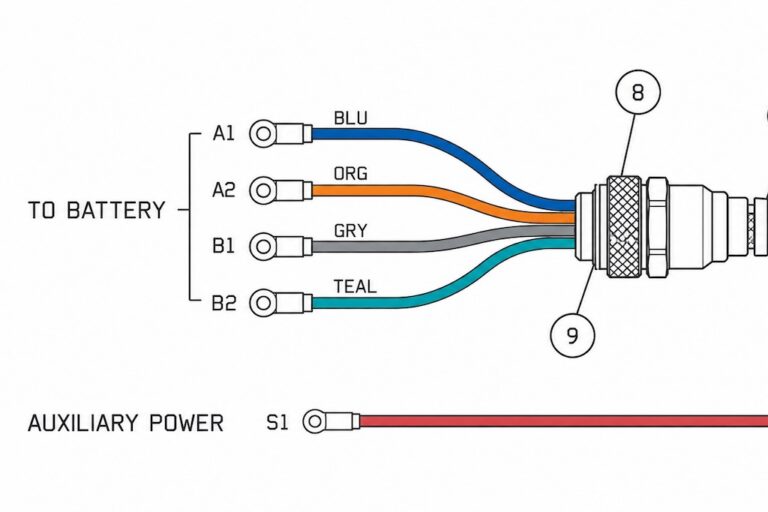
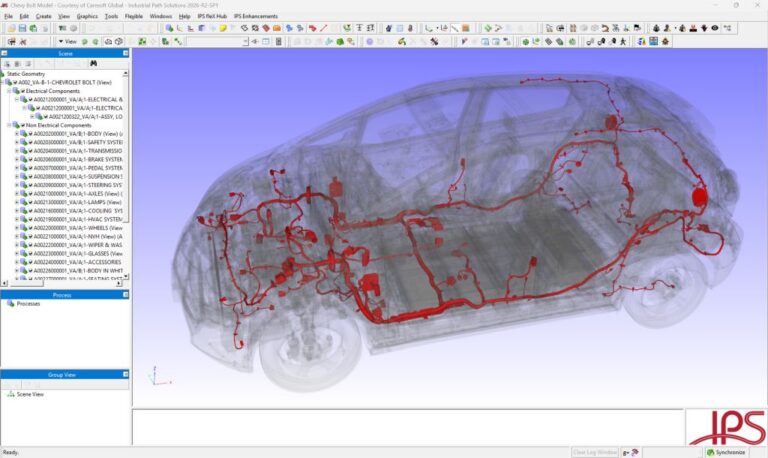
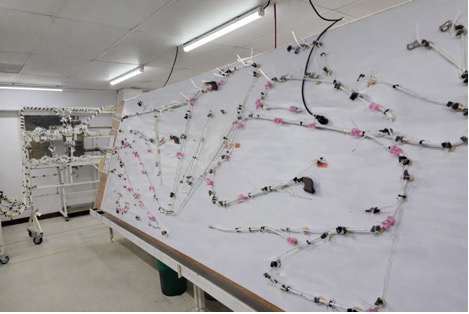
We also work across the ECAD-MCAD boundary because a harness is not just an electrical drawing. It has to physically fit and function within the product. We support electrical-to-mechanical integration, 3D routing, packaging and design validation, helping ensure that the electrical design can be translated into a practical, manufacturable physical harness.
On the embedded side, we primarily work with off-the-shelf ECUs, HMIs, displays and other electronic platforms, rather than developing the underlying hardware. Our involvement can start with defining software and functional requirements and extend through application development, configuration, system integration, communication interfaces such as CAN and J1939, and testing and validation on the target platform. So, while wiring harness and electrical engineering remain a significant part of what we do, our broader focus is on connecting electrical, embedded and mechanical engineering so that the different pieces of the product work together.
WHN: KSD works across several industries, including automotive and off-highway equipment. What are the biggest differences in electrical system requirements between these sectors?
Vipul: The biggest difference is not necessarily the electronics themselves. It is the environment in which they have to survive.
Automotive products are generally driven by high volumes, aggressive cost targets, standardization and highly controlled manufacturing processes. Off-highway equipment tends to have much lower volumes, more product variants and much harsher operating conditions. You can have vibration, dust, mud, water, temperature extremes and much longer service lives.
Off-highway machines also tend to evolve differently. A customer may have a machine platform that has been in production for years, and suddenly there is a requirement to add telematics, displays, sensors, additional controllers or electrification. You then have to integrate new technology into an architecture that was never originally designed for it. So, the engineering challenge is often different. In automotive, you may be optimizing a highly mature architecture. In off-highway, you may be trying to modernize an existing machine without completely redesigning it.
WHN: How have wiring harness designs evolved over the last five to ten years?
Vipul: Harnesses have become much more than a collection of wires connecting components.
We are seeing more controllers, more sensors, more communication networks and more distributed electrical systems. That naturally increases the importance of the harness as part of the overall electrical architecture.
At the same time, harnesses are becoming more difficult to package. There is less available space, more electronic content and more requirements around weight, cost, EMC and serviceability.
Another major change is the expectation around digital data. Customers increasingly want the harness design to connect with other engineering disciplines and downstream manufacturing processes. A drawing sitting by itself is no longer enough.
But there is an interesting contradiction: harnesses are becoming more sophisticated digitally, while many organizations still have a lot of legacy information in PDFs, 2D drawings, spreadsheets and disconnected databases. Bridging that gap is a very real engineering problem.
WHN: What trends are you seeing in vehicle electrical architecture today? Are OEMs demanding different solutions than they were in the past?
Vipul: Definitely. The traditional approach of adding another ECU or another point-to-point connection every time a new function is introduced is becoming difficult to sustain.
We are seeing more distributed architectures, higher network utilization and greater interest in zonal architectures and domain-based architectures. The exact architecture varies by vehicle and application, but the general direction is toward reducing unnecessary wiring and making the electrical system more manageable.
At the same time, OEMs want more functionality without accepting proportional increases in cost, weight or development time. That creates a difficult engineering balance. You cannot simply say, “Let’s add more electronics.” The architecture has to be considered as a complete system: controllers, networks, power distribution, harnesses, software, diagnostics and service requirements.
WHN: KSD offers both wiring harness design and embedded systems development. How closely do those disciplines work together during product development?
Vipul: They should work very closely, and in our experience, they have to.
A harness engineer cannot always make the right decision without understanding what the electronics are doing. Similarly, an embedded engineer can design a perfectly functional electronic system that becomes very difficult or expensive to implement in the physical product. For example, decisions around communication architecture, sensor interfaces, power requirements, grounding, connector selection and diagnostics directly affect the harness.
We therefore try to avoid treating the harness as something that happens after the electronics are finished. The electrical architecture should be considered early, and the harness and embedded teams should be talking to each other throughout development.
WHN: What are some of the most common mistakes you encounter when reviewing or redesigning existing electrical systems?
Vipul: One of the biggest mistakes is assuming that the existing design is correct simply because the machine is already in production.
We often find undocumented changes, inconsistent naming, incomplete component information, unused circuits, poor splice strategies, overloaded connectors, unclear grounding arrangements or drawings that no longer represent what is physically built.
There is also a tendency to focus heavily on the schematic and not enough on the physical harness. A circuit can look completely correct electrically and still be difficult to manufacture, route, assemble or service.
For us, one of the first steps in redesign work is understanding the actual system, not just cleaning up the drawing.
WHN: At what point in the design process should manufacturability become a consideration?
Vipul: From the beginning.
If manufacturability is considered only after the electrical design is completed, it is usually too late. By then, connector selections, splice locations, branch lengths, component locations and routing decisions may already be frozen.
We believe design and manufacturing need to influence each other early. That does not mean the designer needs to know every detail of the manufacturing process. It means the design needs to be developed with questions such as: Can this harness actually be assembled? Can the operator access the connector? Is the splice location practical? Can the branch be routed without excessive stress? Can the harness be tested? Can it be serviced?
Those questions are much cheaper to answer during design than after production starts.
WHN: KSD has experience with Zuken E3 and Siemens Capital environments. What advantages do digital design platforms bring to harness development?
Vipul: The biggest advantage is not simply drawing faster. It is maintaining engineering information in a structured way.
When the electrical design, components, wires, connections, variants and manufacturing information are properly structured, changes can be managed much more effectively. Tools such as Zuken E3 and Siemens Capital also provide opportunities to connect electrical design with downstream processes such as manufacturing, documentation and data management.
But I would add one important point: the software itself does not solve a bad process.
We have seen customers invest in powerful tools but still struggle because their libraries, naming conventions, databases, templates and engineering processes are not properly defined. The digital platform is powerful only when the underlying engineering data is trustworthy.
WHN: How important is simulation and virtual validation before a physical prototype is built?
Vipul: It is very important, but I would not describe simulation as a replacement for physical testing.
The real value is finding problems earlier. If we can identify electrical loading issues, routing conflicts, voltage-drop problems, thermal concerns, communication problems or mechanical integration issues before hardware is built, the cost of correction is significantly lower.
At the same time, a virtual model is only as good as the assumptions and data behind it. We should not create a false sense of confidence simply because a simulation passed.
The best approach is to use simulation and virtual validation to reduce the number of surprises in the physical prototype, not to eliminate physical validation altogether.
WHN: Embedded electronics continue to grow more sophisticated. What impact is that having on wiring harness complexity?
Vipul: Electronics are increasing the number of things the harness has to support.
We have more sensors, more communication lines, more power requirements and more distributed controllers. Even when the number of wires does not increase dramatically, the requirements on those wires become more demanding.
Signal integrity, EMC, shielding, grounding, power distribution and connector selection become increasingly important.
There is also a trend toward reducing the number of individual wires through communication networks. CAN and similar networks can replace large amounts of point-to-point wiring, but that does not make the harness engineer’s job easier. It changes the nature of the problem.
Now the engineer has to understand both physical wiring and network behavior.
WHN: How are customers balancing the push for advanced functionality with pressures to reduce cost and shorten development timelines?
Vipul: Honestly, it is getting harder.
Customers want more functionality, but they don’t necessarily have more time or budget. That means engineering teams have to become better at making decisions early.
One of the biggest cost reductions often comes from avoiding rework rather than simply choosing a cheaper component. A connector that is slightly cheaper may not matter much if a poor design decision causes three prototype iterations, a manufacturing issue and a field problem.
We therefore see increasing value in architecture reviews, design reuse, proper libraries, early manufacturability reviews and digital validation.
The objective should not be “design faster at any cost.” It should be “make the right decision earlier.”
WHN: What role does testing play in ensuring reliability, particularly in harsh operating environments?
Vipul: Testing is where assumptions meet reality.
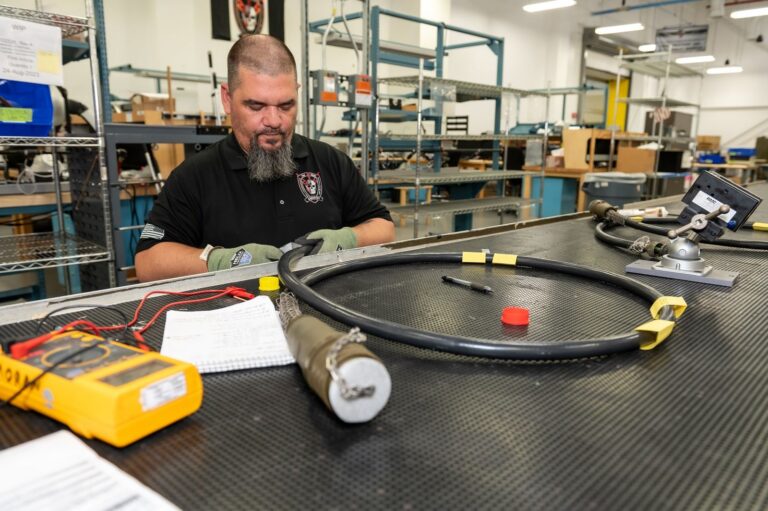
In harsh environments, you cannot validate a harness simply by checking continuity. You have to consider vibration, temperature, moisture, connector retention, abrasion, sealing, strain relief, EMC and the actual routing environment.
The other important point is that testing should not start at the end of the project. A good test strategy starts with understanding the expected failure modes and designing the system so those failure modes can be detected or prevented.
For off-highway applications in particular, environmental conditions can be very different from what you see on a laboratory bench. A harness that works perfectly in a controlled environment can behave very differently after thousands of hours of vibration, contamination and thermal cycling.
WHN: What challenges do OEMs face when modernizing legacy products that were not originally designed for today’s electronic requirements?
Vipul: This is one of the more difficult areas we work in.
You are often dealing with an existing product that customers understand and expect to remain reliable. At the same time, you need to introduce technologies that were never considered when the original architecture was created. The biggest challenge is understanding what can be changed safely and what should not be disturbed.
Legacy documentation is another major issue. The information may exist, but it may be spread across old drawings, PDFs, spreadsheets, supplier documents and engineering knowledge that exists only with individuals.
Before redesigning such a system, we often need to reconstruct the electrical reality first. Modernization is therefore not simply an engineering redesign exercise. It is also a data recovery and engineering knowledge exercise.
WHN: How do you see electrification affecting harness and embedded system design over the next several years?
Vipul: Electrification changes the harness substantially because power becomes a much more significant design consideration.
Higher-voltage systems introduce different requirements around insulation, isolation, creepage and clearance, connectors, shielding, service procedures and safety.
At the same time, the low-voltage electrical architecture does not disappear. You still have controllers, sensors, communication networks, lighting, actuators and auxiliary systems. So, engineers are effectively dealing with two worlds, the high-power electrical system and the low-voltage control and communication system, and they have to coexist safely within the same product.
I also expect charging systems, battery management, power electronics and energy distribution to become increasingly integrated with the overall vehicle electrical architecture.
WHN: Is there anything you believe the wire harness industry should be paying closer attention to that isn’t receiving enough discussion today?
Vipul: I think we need to talk more about engineering data quality. We talk a lot about automation, AI, digital transformation and new design tools. But none of those things work particularly well when the basic engineering data is unreliable.
If the component library is wrong, the wire information is inconsistent, the drawing does not represent the physical harness, or the manufacturing data is incomplete, putting another digital layer on top does not solve the underlying problem.
I also think we need to pay more attention to the gap between engineering and manufacturing. A harness is one of those products where the final quality depends heavily on how well those two sides communicate. A design that looks perfect on a screen can still be a terrible harness to manufacture.
That gap is where I see a lot of opportunity for the industry.
WHN: Finally, what message would you like to share with Wiring Harness News readers about KSD Technologies and its approach to engineering partnerships?
Vipul: For engineering teams today, the challenge is not a lack of things to engineer. It is having the right engineering capacity and expertise available when it is needed.
Our approach at KSD is to become an extension of the customer’s engineering team. Your engineers can stay focused on product architecture, system-level decisions and innovation, while we support the detailed engineering work required to take those decisions forward. That support can span the electrical and embedded engineering lifecycle, from electrical system and wiring harness development, ECAD-MCAD integration and engineering documentation, to embedded software requirements, application development, integration, testing and validation across the customer’s selected ECU, HMI, display and other electronic platforms.
We are also comfortable stepping into an existing engineering environment rather than asking customers to change everything around us. We can work with their processes, tools, data and engineering standards and take ownership of defined work packages or support the team through an entire project.
For us, an engineering partnership is not simply about adding more people to a project. It is about bringing the right engineering capability into the team at the right time, taking responsibility for the work, and helping the customer’s engineers stay focused on the decisions that matter most. Ultimately, we want our customers to be able to say: “We have the engineering problem covered.”
For more information about KSD Technologies and its electrical, embedded and engineering services, visit www.ksdglobal.com.