















By Katarena Waterman, Varflex Corporation
Wire harnesses are being asked to perform in increasingly demanding environments. From electric vehicles and heavy-duty trucks to agricultural equipment, construction machinery, aerospace systems and industrial equipment, harnesses must withstand everything from abrasion and vibration to extreme temperatures, chemicals, moisture and repeated flexing.
That makes “wire harness protection” much more than simply putting a sleeve over a bundle of wires.
The challenge is selecting protective material and construction that matches the environment, the expected life of the harness and the way the harness will actually be installed and used.
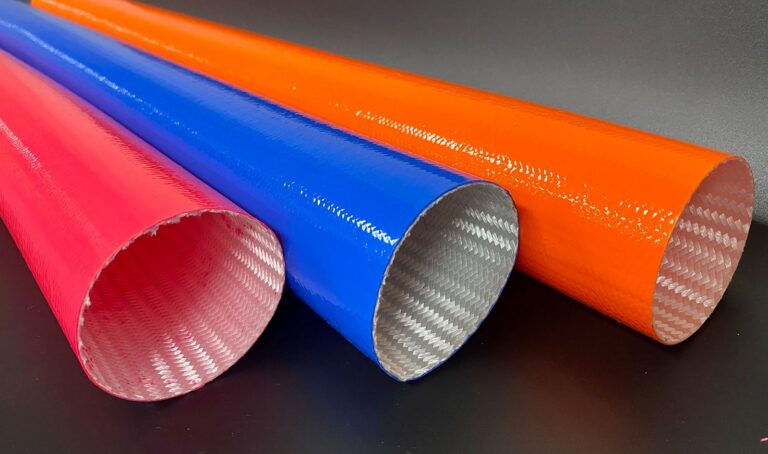
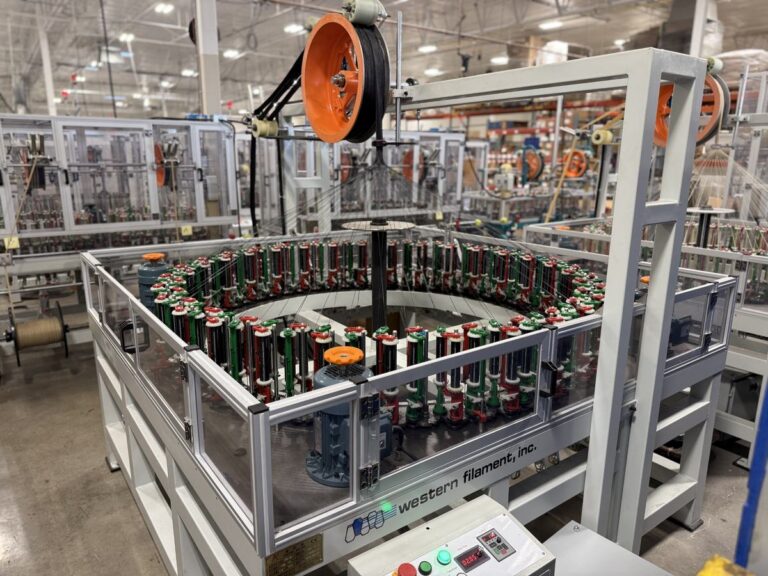
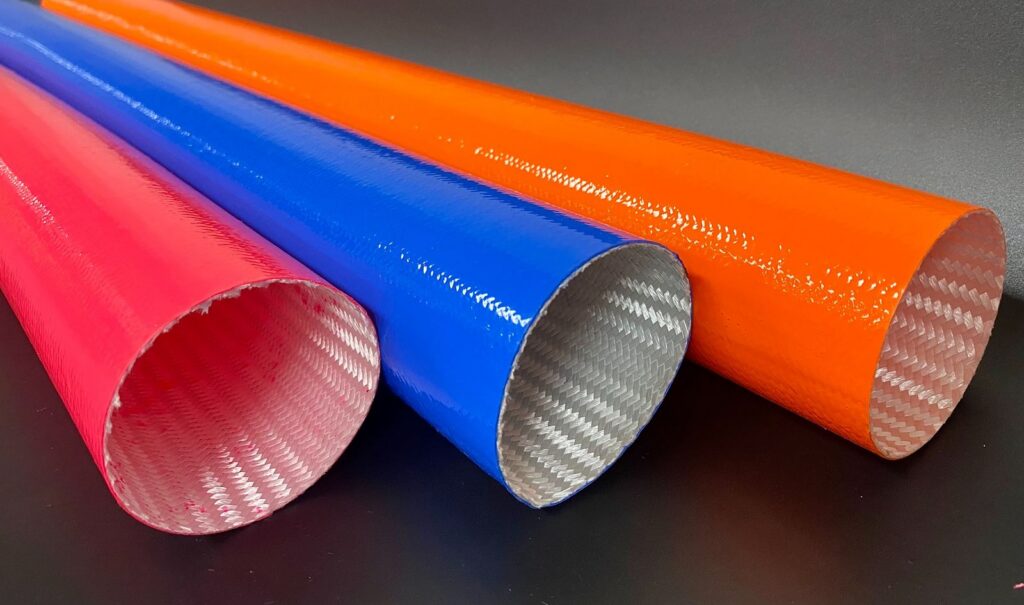
For more than a century, Varflex Corporation has developed braided electrical insulating sleeving and custom protection solutions for demanding applications. Its portfolio includes fiberglass-based coated and uncoated sleeving, PVC Hi Temp Nylon, expandable monofilament sleeving, high-performance fibers and custom overbraiding capabilities.
One of the most important parts of harness protection is not the product itself. It is understanding the application and environment the harness is subject to.
Protection Starts with Understanding the Environment
When speaking with engineers to determine what type of sleeving is going to best suit the harness application, it is crucial to address the potential failure mechanisms.
Abrasion is one of the obvious challenges in a harness. Whether the harness rubs against a bracket or engine component, it may seem minor during assembly but can lead to wear and tear once the equipment is operating.
Vibration is another challenge when it comes to heavy trucks, agricultural equipment, and construction machinery because the harness experiences constant vibration while traveling over rough terrain or operating around hydraulic systems.
Temperature is another component that must be considered when choosing the appropriate sleeve. One thing to look at is not just the maximum temperature but the repeated heating and cooling cycles that place additional demand on materials over the life of the equipment.
Lastly, engineers must consider the overall environment around the harness. Is it subject to oil or hydraulic fluid? Do water, salt, dirt and solvents play a role that can influence material selection? Varflex’s Varspan expandable monofilament sleeving, for example, is designed for mechanical protection and resistance to chemicals including jet fuel, diesel fuel, gasoline, lubricating oils, solvents, hydraulic fluids, water and salt water.
Protection Should Be Considered Early
Protective sleeving may be the least expensive component in a harness system but can also be considered one of the most important pieces. Do not make sleeving an afterthought.
One of the biggest challenges is finding a balance between protection and practicality. When considering harness protection, it is best to determine the appropriate sleeving during the design process. Some engineers will want to go for the highest temperature, highest abrasion or most chemically resistant material available. It is just as important to consider construction of the sleeving. Does the harness need a heavier or thicker diameter? Does flexibility of the material play a role in making installation easier, particularly around irregular-shaped components? When designing a harness, it is important to consider the space around the harness, the heat source, vibration, potential abrasion, operating life and overall environmental impact.
Considering all the factors early in the process makes it easier to determine if standard sleeving is appropriate or a custom construction would provide a better solution. Varflex’s custom overbraiding capabilities can also provide additional protection directly around wires, cables, hoses and other components. The company can customize sizes, wall thicknesses, colors and constructions, allowing protection to be incorporated into the assembly rather than treated as a one-size-fits-all component.
What Should Engineers Ask Before Selecting Sleeving?
When a harness manufacturer comes to Varflex with a new application and is not sure what type of sleeving is needed, some of the first questions we ask are about the environment the harness is subject to. It is crucial to know the temperature the harness will be exposed to along with the duration of time the temperature is at its highest. Will fluids and fuels encounter the sleeving? Do vibration and the way the harness moves have a significant effect on the design? What surfaces will rub against it? Does the sleeving need to expand around irregular shapes? Do electrical requirements play a significant role? Those answers will help narrow the material and construction choices more effectively than simply asking for the most durable or highest temperature sleeve.
Testing the Solution
Once the appropriate protective material is selected, the testing should reflect the actual application and environment it will be exposed to. Engineers may evaluate temperature performance, abrasion resistance, flexibility, chemical compatibility, dielectric protection, flammability and mechanical durability.
Industry specifications and certifications can also play an important role. Varflex manufactures products that meet various UL, CSA and military requirements, and its products are manufactured under an ISO 9001:2015 quality system.
The goal is to move beyond theoretical material properties and understand how the complete protection system performs under the conditions it will actually encounter.
The Future of Harness Protection
As technology evolves and vehicles and equipment become more sophisticated, harness protection becomes increasingly important. More electronics creates more wiring. In turn this creates new electrical and thermal challenges, while customers continue to expect equipment to operate longer and in increasingly demanding environments.
For manufacturers like Varflex, that means continuing to develop materials and constructions while maintaining the ability to customize solutions for individual applications.
With more than a century of experience in braided electrical insulating sleeving, Varflex has evolved from its early fiberglass sleeving innovations into a manufacturer offering coated and uncoated sleeving, PVC Hi-Temp Nylon, expandable monofilament protection, high-performance fibers, custom overbraiding and specialty constructions.
Ultimately, effective harness protection isn’t about putting the biggest or toughest sleeve around a wire bundle.
It is about understanding the environment, anticipating how the harness will behave over its service life and selecting a protective construction that balances performance, manufacturability and cost.
The best harness protection is the protection designed around the application, not the other way around.