


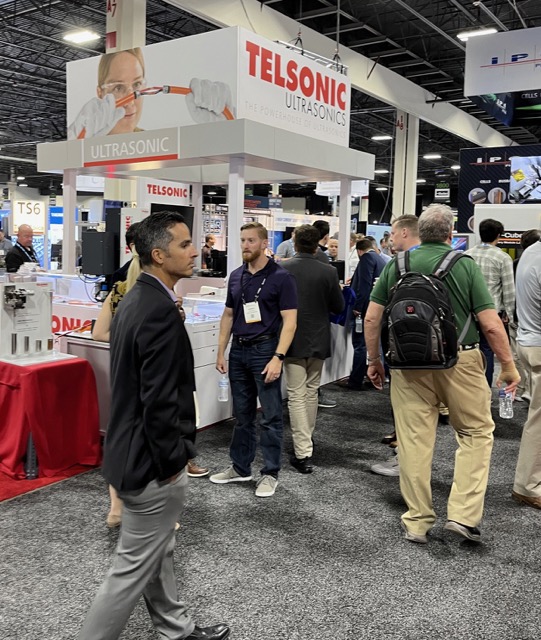








When Rick Bromm and I met at this year’s Electrical Wire Processing Technology Expo in Milwaukee, the conversation eventually turned to Altex’s last Wiring Harness News company profile. Both of us guessed it had probably been about five years ago. Neither of us was even close.
When we checked, we discovered the article had actually been published in 2013. Thirteen years had passed since Wiring Harness News profiled the Westfield, Indiana-based manufacturer, and it was clearly time for an update.
That realization prompted Rick to go back and reread the original profile before our interview. “What struck me most was that we were already talking about many of the same things back then,” he said. “We had a plan, we were starting to move in that direction, and looking back, it was kind of a confirmation that the strategy was working.”
At the time of that original profile, Altex expected annual sales of roughly $9 million. The company employed 57 people and was continuing its transition away from automotive work toward customers that valued reliability, engineering support, and long-term manufacturing partnerships.
Today, Altex generates nearly $27 million in annual revenue, employs more than 300 people, and has expanded its manufacturing footprint significantly. Yet according to Rick, the philosophy behind that growth remains largely unchanged. “We basically shifted to a strategy of customers that really need and want high-reliability execution,” Rick said.
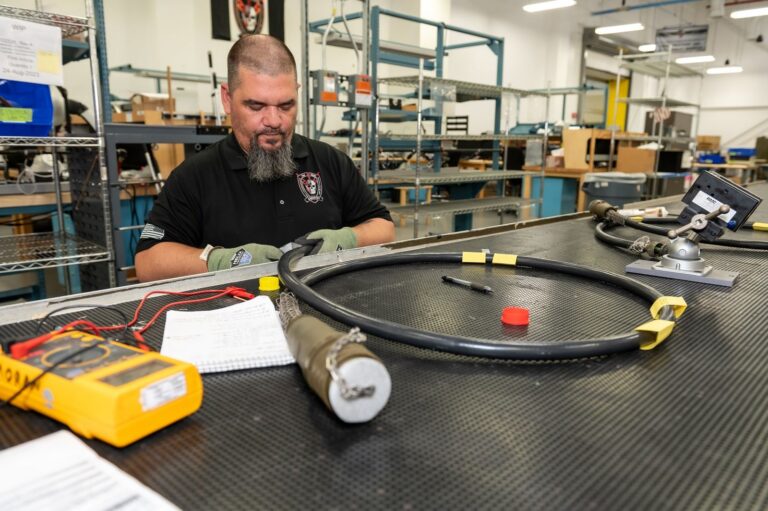
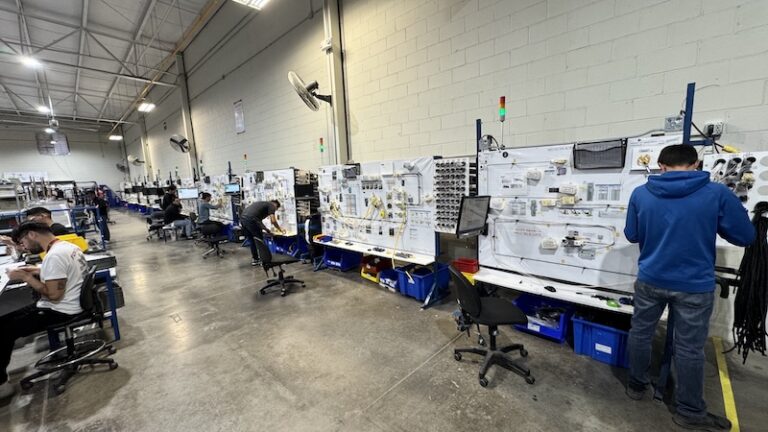
That strategy has shaped nearly every aspect of the company, from the types of customers it pursues to the way products are manufactured. While wire processing equipment continues to become more sophisticated, Rick believes one of the realities of the harness industry is that final assembly still depends heavily on people. The challenge is finding ways to increase productivity without increasing risk.
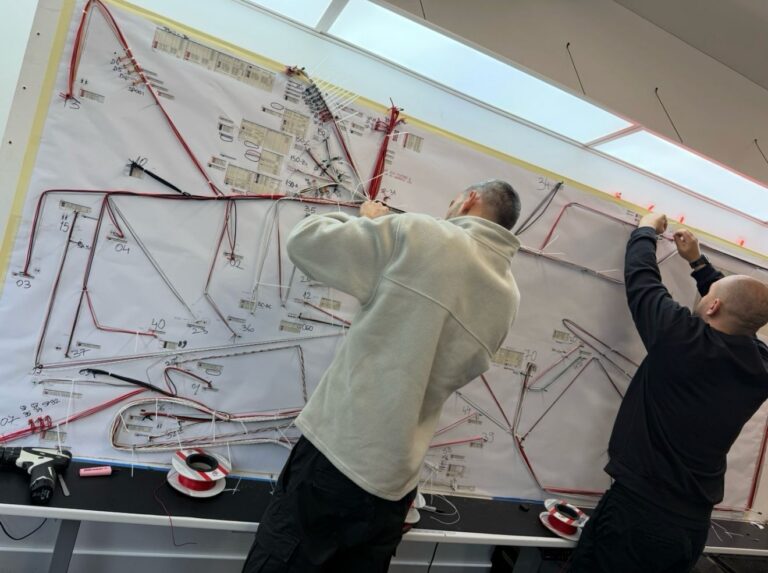
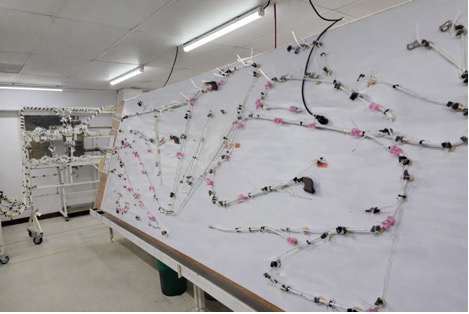
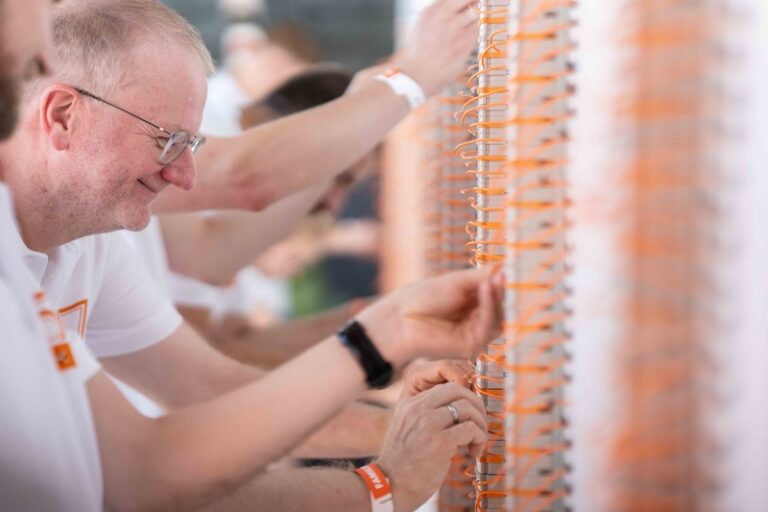
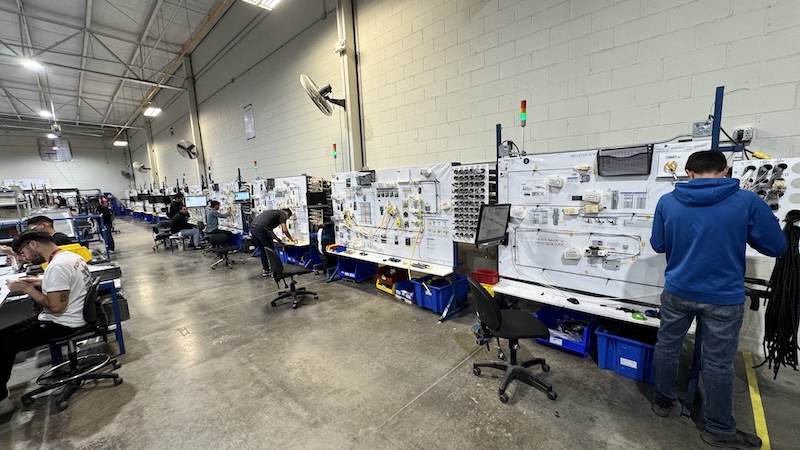
For Altex, much of that effort centers on fixturing. The company invests heavily in designing and building fixtures that allow operators to assemble increasingly complex products efficiently while maintaining consistency and quality. In high-circuit-count applications, those fixtures can represent a significant investment, making it important to work with customers whose products have long life cycles and sustained production requirements.
The company’s emphasis on high-reliability execution extends beyond the shop floor and into customer selection. “We’re interviewing them as much as they’re interviewing us for the fit,” Rick said.
The company looks for customers that value process discipline, engineering involvement, and long-term collaboration. Rick believes the best partnerships begin with both sides taking a hard look at each other. “If I have a customer that doesn’t want to come audit us, it’s a red flag to me,” he said.
More than a decade later, Altex still believes its best relationships are built around partnership rather than transaction. The company wants customers who view suppliers as an extension of their own operations rather than simply a source of labor.
The result is a level of collaboration that goes far beyond placing orders and receiving shipments. Many of Altex’s largest customers maintain standing weekly meetings with the company to review projects, discuss engineering changes, and identify opportunities for improvement. In some cases, Altex personnel have direct access to customer engineering systems and print files, allowing information to move more quickly and reducing delays during product development and production.
That involvement often begins long before production starts. Rick noted that while OEMs excel at designing products that perform their intended functions, wire harness manufacturing is rarely a core competency. By becoming involved earlier in the design process, Altex can frequently identify opportunities to improve manufacturability, simplify assemblies, and reduce costs before a product reaches production.
As the company has grown, so has the sophistication of its engineering organization. Earlier in Altex’s history, engineering responsibilities often fell to individuals who handled a broad range of tasks. Today, the company maintains specialized teams focused on new product engineering, SolidWorks design, manufacturing engineering, and process improvement.
One area that has become particularly important is fixture development. Altex designs many of its own fixtures and utilizes industrial 3D printers to accelerate the process. The company is also adding CNC machining capabilities that will allow it to produce more fixture components internally. Those investments are driven by a simple objective: helping customers get products to market faster.
Customers increasingly want shorter development cycles, but harness manufacturing can present unavoidable challenges. Application tooling often requires eight to ten weeks, design revisions can trigger new tooling requirements, and fixture development takes time. By controlling more of those activities internally, Altex hopes to reduce delays and improve responsiveness.
The company’s engineering involvement frequently extends beyond the harness itself. Altex regularly works with customers to evaluate broader assembly strategies that may include brackets, switches, hardware, and other subassemblies. “It doesn’t have to stop at the wire harness or cable assembly,” Rick said.
In many cases, the discussion centers on determining which operations make sense for a customer to perform internally and which are better sourced as completed assemblies. Those decisions vary depending on the product and the customer’s manufacturing strategy, but they represent another example of how Altex seeks to contribute beyond simply building components to print.
Looking back at the 2013 profile, one of the more interesting contrasts involves growth itself. At the time, company leadership was actively exploring acquisition opportunities as a way to accelerate expansion. While Altex evaluated several possibilities over the years, none proved to be the right fit. “We’ve certainly looked at a couple and for various reasons, it just didn’t fit,” Rick said.
Instead, the company stayed focused on organic growth. Revenue increased from approximately $9 million in 2013 to nearly $27 million last year, a result Rick attributes largely to disciplined customer selection and long-term strategic thinking. “We choose the right customer, the right partner, the right strategic partner to do business with,” he said.
The company evaluates prospective customers based on more than immediate opportunities. Industry position, growth potential, technology leadership, and long-term stability all play a role. Rick believes those factors become especially important during economic downturns, when stronger companies are often better positioned to weather challenges and continue investing in their products and markets.
That focus on long-term partnerships has allowed Altex to grow alongside many of its existing customers rather than relying exclusively on a constant stream of new business. As those customers expanded, introduced new products, and entered new markets, Altex often grew with them.
The company’s market mix has evolved considerably since the original profile appeared. While Altex intentionally moved away from traditional automotive work years ago, transportation remains an important segment. Today that category includes products for forklifts, wheelchair-accessible vehicles, rail applications, and other specialized transportation equipment.
Security technologies have become another important area, with Altex supporting systems used in commercial buildings, schools, hospitals, and industrial facilities. The company has also expanded its presence in medical applications, refrigeration systems, sterilization equipment, and other products where reliability and consistency are critical.
Growth has brought significant changes to the manufacturing footprint as well. In 2013, production was split roughly 60-40 between Indiana and Mexico. Today, approximately 75 percent of production takes place in Nogales.
According to Rick, that shift was largely driven by customer requirements and changing economics rather than any fundamental change in company strategy. One major customer that previously required higher levels of U.S. content eventually shifted its approach, creating an opportunity to move additional production to Mexico and take advantage of a more favorable labor structure.
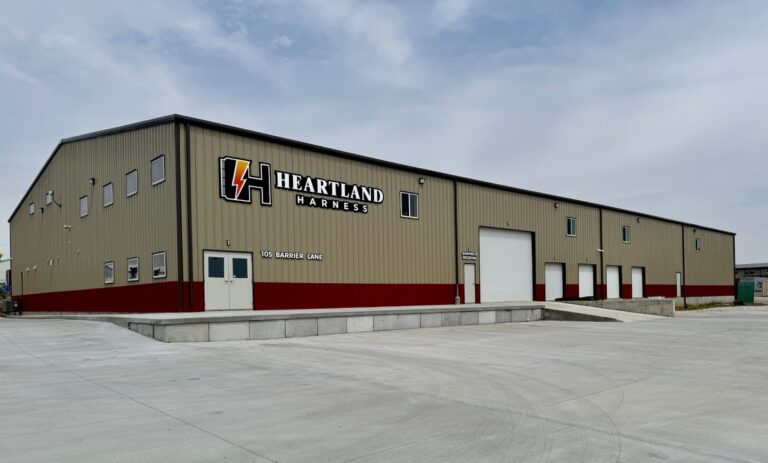
The Nogales facility now occupies approximately 46,000 square feet and still has room for expansion. The Indiana operation encompasses roughly 20,000 square feet and serves both manufacturing and distribution functions.
Many customers prefer to have finished goods staged in Indiana, allowing them to respond more quickly to fluctuations in demand. That flexibility has become increasingly important as manufacturers continue to wrestle with forecasting challenges.
“The customer’s forecast is not always accurate,” Rick said with a laugh. It’s a reality manufacturers have been dealing with for years.
Rather than relying solely on inventory, Altex develops customized logistics programs tailored to individual customer requirements. Some customers utilize vendor-managed inventory programs. Others rely on stocking arrangements for long-lead-time materials or specialized distribution agreements. In some cases, multiple inventory strategies are used simultaneously for different product families within the same customer account.
That flexibility reflects another aspect of the company’s evolution. Altex’s roots include both manufacturing and distribution, giving the company a deeper understanding of supply-chain dynamics than many contract manufacturers possess. Rick believes that experience has become increasingly valuable as customers look for partners capable of responding quickly to changing market conditions.
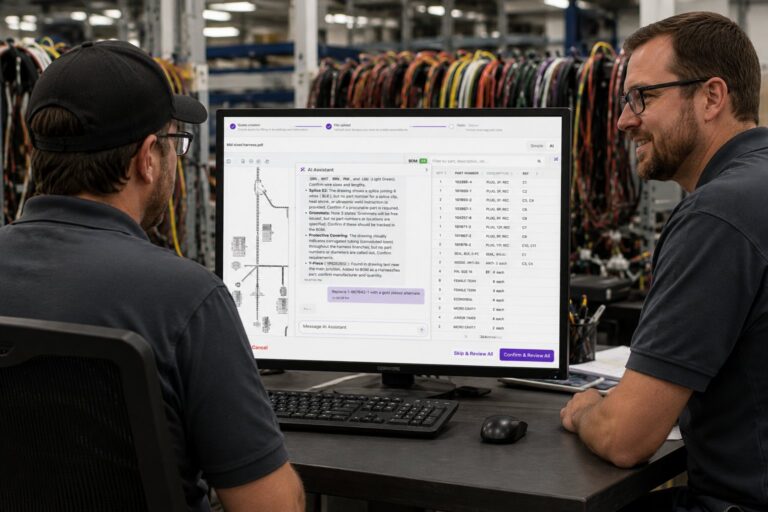
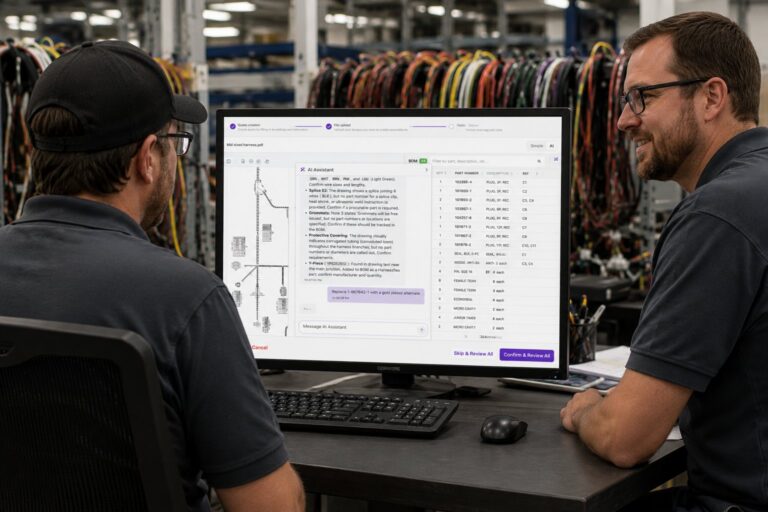
The company continues investing in its infrastructure as well. One of its largest current initiatives is the implementation of Microsoft’s Business Central ERP platform, which is expected to improve operational visibility, forecasting, warehouse management, and labor tracking.
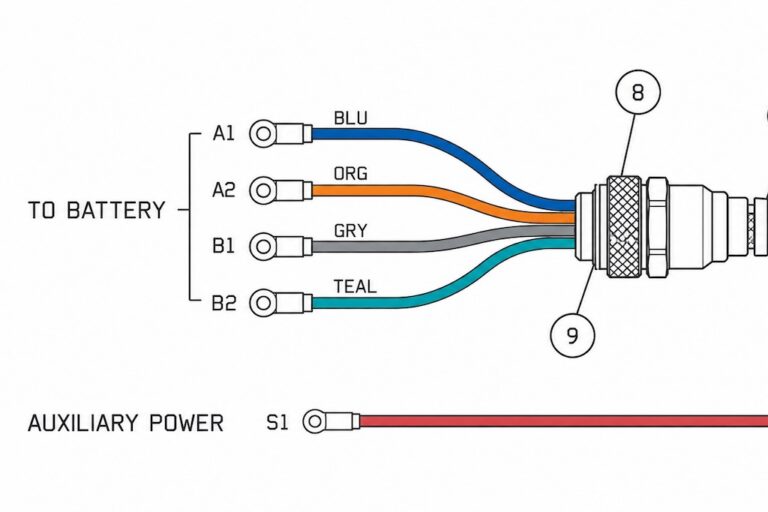
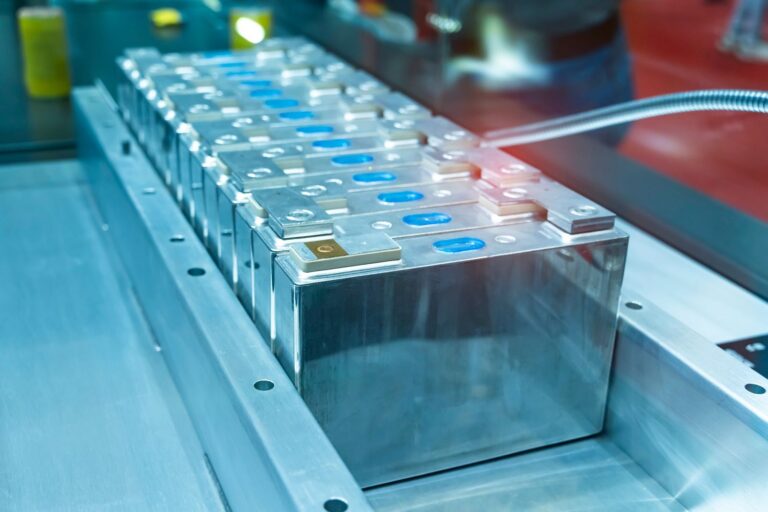
Looking ahead, Rick sees continued opportunity in markets that value reliability and engineering collaboration. Battery cable assemblies represent one promising area, particularly as electrification initiatives outside automotive continue to create demand for high-current interconnect systems. Altex already possesses many of the capabilities required to support that work and expects to continue expanding its expertise as opportunities arise.
The company is also investing in the tools needed to support future growth. Whether it is new software, additional engineering resources, fixture development, 3D printing, or CNC machining, the objective remains the same: helping customers move products to market faster while maintaining the quality standards that have become a hallmark of the company.
On paper, Altex looks much different from what it did in 2013. Sales have grown from roughly $9 million to nearly $27 million, and the company has added employees, expanded facilities, deepened its engineering resources, and broadened its capabilities over the past thirteen years.