













By Varghese John
DGM – Engineering, Cable & Wire Harness Division
SFO Technologies Pvt. Ltd., India
Manufacturing Engineering plays a key role in any contract wire harness manufacturing company, particularly in successfully converting opportunities into real business orders.
Competitive quotations, perfect prototypes, low NRE charges and short lead times are all keys to winning business. But before any of those things can happen, somebody has to understand exactly what the customer wants.
The RFQ/NPI Engineer is usually the first person who will have a detailed look at the customer drawings. The skill of this engineer plays a vital role in correctly understanding those drawings, grasping what the customer wants, and finally providing the same in the form of a physical wire harness.
Every customer is different. The way details are presented in drawings varies between customers. It is up to the wire harness manufacturing engineering team to verify the drawing in depth, understand the customer requirements, and interpret the drawing in the same manner as the person who created it.
That sounds simple. In reality, it can be anything but simple.
At the quotation stage, the main focus is usually on the availability of manufacturers and manufacturer part numbers for all components in the customer BOM so that a quotation can be provided quickly. An in-depth drawing review normally will not happen at this stage. There is little point in asking many process-related questions during quotation, and customers may not entertain them at this early stage.
The drawing review during quotation therefore concentrates primarily on items that can affect cost. Sometimes components are mentioned only in the drawing notes. Those notes may also contain quality, regulatory or workmanship requirements that must be considered in the costing.
It is not practical to go much further than this during the quotation stage.
Usually, the in-depth review of the drawing from a practical assembly point of view starts only after receipt of a prototype purchase order from the customer.
Three Types of Prototype Development
The word “prototype” comes from the Greek protos, meaning first. A prototype is the first working example of an object or concept.
In wire harness manufacturing, prototype development generally comes under three situations:
- Prototypes of a new design or new drawing.
- Prototypes of an existing product that is being moved from an existing supplier to a new supplier.
- Prototypes of an existing product due to a change in raw material, process, tooling or some other reason, with no change in the assembly manufacturer.
In all cases, the customer drawing is the master document for the prototype build. Any query, mismatch or non-compliance will first be analyzed with respect to the customer drawing.
In-depth verification of that drawing is particularly important in the first two situations if the goal is to provide a perfect prototype to the customer.
Expect the unexpected.
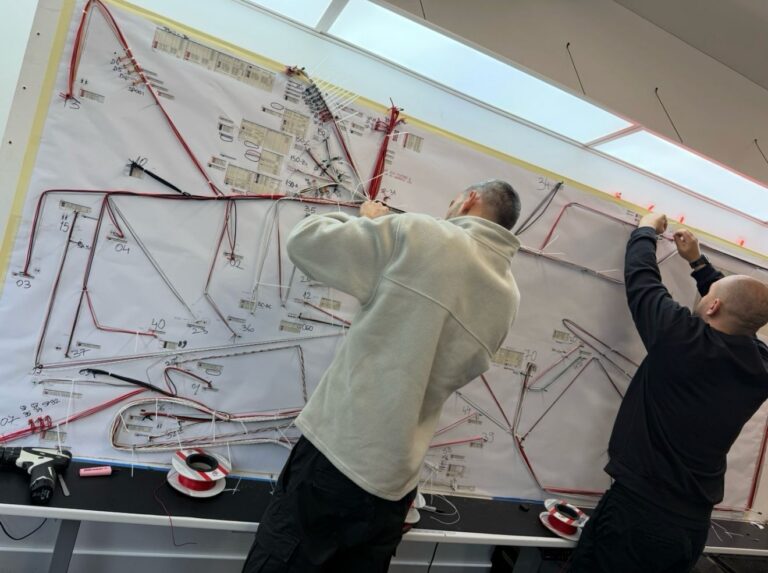
That is perhaps the best approach, because prototype manufacturing is the physical build of a print on paper into physical reality.
Action 1: Drawing Review
The team reviewing the drawings should include, at a minimum, the RFQ/NPI Engineer, NPI QA Engineer, NPI build team, Process Engineer, Production Engineer, Production QA Engineer and Maintenance personnel.
It is desirable to have a dedicated NPI build team because a prototype build is totally different from a production build.
Production is a repetitive process. Documents are available, processes have been established and there should be clarity about how the product is to be built. That is not at all the case with a prototype.
Every prototype build is unique in its own manner. Every build is a kind of progressive elaboration, where one step or one process leads either to answers and solutions, or to further queries and hurdles. The product and the process evolve with every step.
Regular Production and QA personnel should also be included because they can contribute input from the regular production point of view, which is quite different from the prototype production concept.
General information should be shared so the entire team is on the same page. This includes the end customer, end application, project name, prototype quantity, anticipated production quantity, workmanship standards and statutory or regulatory requirements.
Then comes the difficult part.
Generally, there will be hidden process queries in every drawing that become apparent only after the physical build of the prototype begins.
Examples include:
- Tolerances not mentioned for dimensions
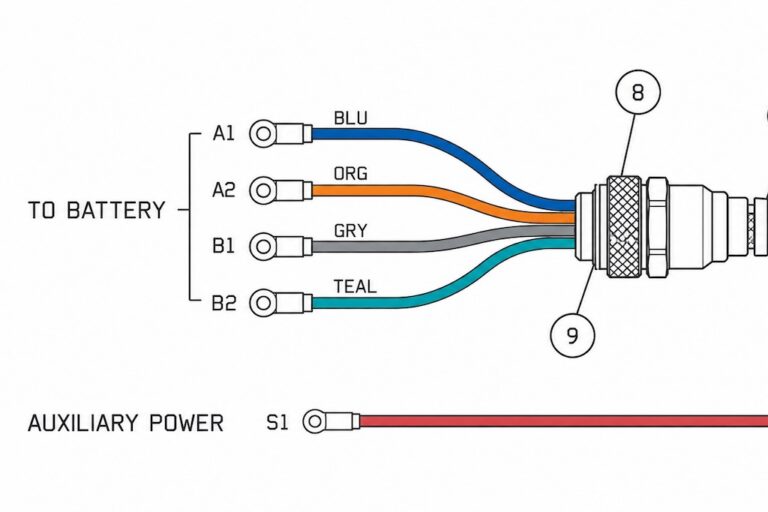
- Wiring chart not provided
- Wire colors not mentioned in the wiring chart
- Connector pin numbers in the drawing that do not match the actual pin numbers marked by the connector manufacturer
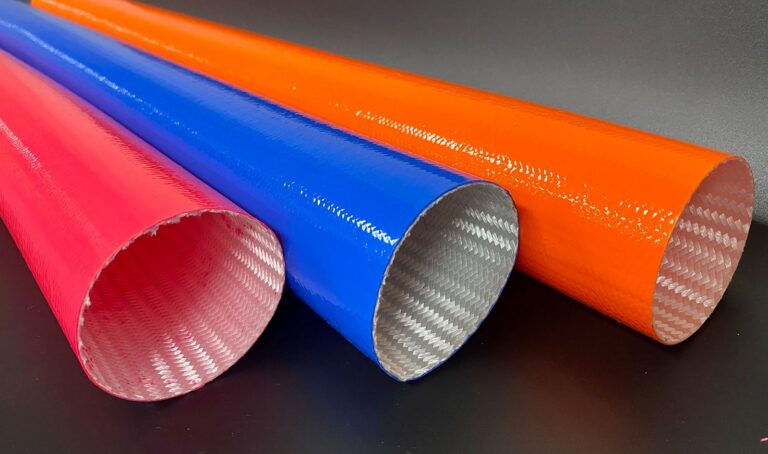
- Heat-shrink tubing of the wrong size
- Wire and crimp terminal specifications that do not match
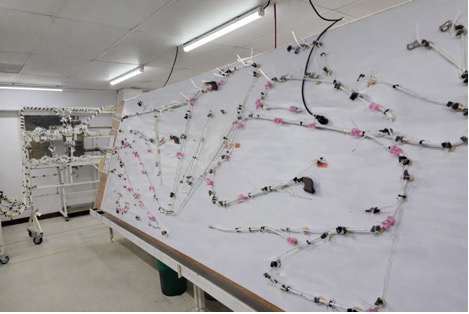
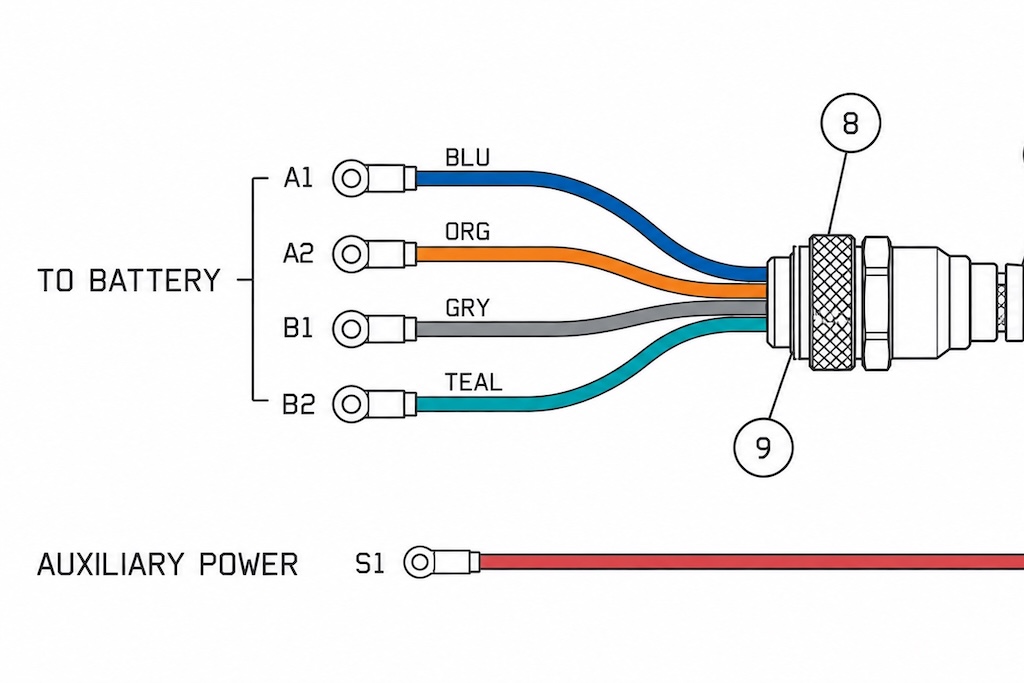
Any one of these queries can be powerful enough to bring a prototype build to a hard stop. The wire harness manufacturer must then go back to the customer, obtain an answer and resume the build (see figure 1).
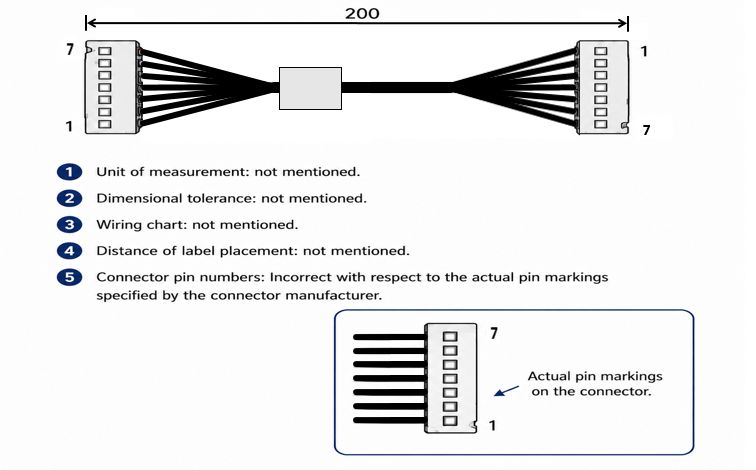
Figure 1. Flat cable assembly with connectors on both ends.
If a hidden design error is discovered, it can even result in a change of raw material. That means additional lead time to purchase the new component, possible changes in cost and other consequences that are very undesirable during a prototype build.
A Checklist for Prototype Readiness
The following checklist can be used when reviewing a customer drawing for prototype build readiness:
- Are individual wire harness drawings available?
- Is the drawing in English?
- Are there any questions concerning notes mentioned in the drawing?
- Are all dimensions mentioned in the drawing measurable?
- Are realistic tolerances mentioned for all dimensions?
- Is the unit of measurement mentioned for all dimensions?
- Is the drawing revision clearly identified?
- Is the revision to be printed on the label clear?
- Are connector pin numbers shown in the drawing correct with respect to the actual pin numbers specified by the connector manufacturer?
- Is a wiring chart provided in the drawing?
- Are wire colors and connector pin numbers at the start and end points, or “from-to” points, clearly defined in the wiring chart?
- Is the label print information clear from the drawing?
- Are label text orientation and readability clear from the drawing?
- Is any unfamiliar or customer-specific workmanship standard mentioned in the drawing?
- Are any unfamiliar or customer-specific standards mentioned for regulatory or statutory requirements?
- Have all processes required to manufacture the wire harness been identified?
- Is there any risk associated with existing processes?
- Is any new process required?
- Is there any risk associated with new processes?
- Have all crimp tools required to manufacture the wire harness been identified?
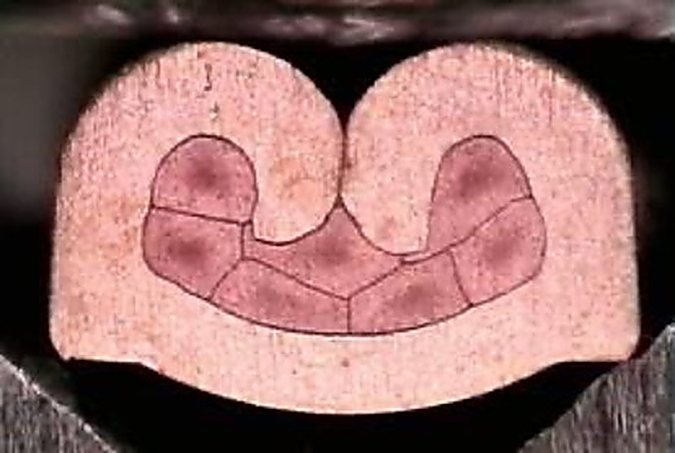
- Are the wire AWG and terminal specification compatible (figure 2)?
- Are the wire outside diameter and terminal specification compatible (figure 2)?
- Is the pull-test standard clearly defined?
- Is any special testing requirement mentioned?
- Is all required measuring equipment available?
- Is any special quality requirement mentioned?
- Is there any issue in meeting the quality requirement?
- Were any assumptions made with respect to the drawing during the quotation stage?
- Does the diameter of the heat-shrink tubing match the diameter of the part on which it needs to be shrunk?
- Is the shrink ratio of the heat-shrink tubing appropriate for the diameter of the part on which it needs to be shrunk?
- Is the wire twist ratio clearly defined when wire twisting is required?
- Is the number of turns through or around a ferrite clearly defined when wire winding through a ferrite is required?
- Do free pins or sealing plugs need to be inserted into vacant connector positions?
- Are torque values clearly mentioned when torquing is required?
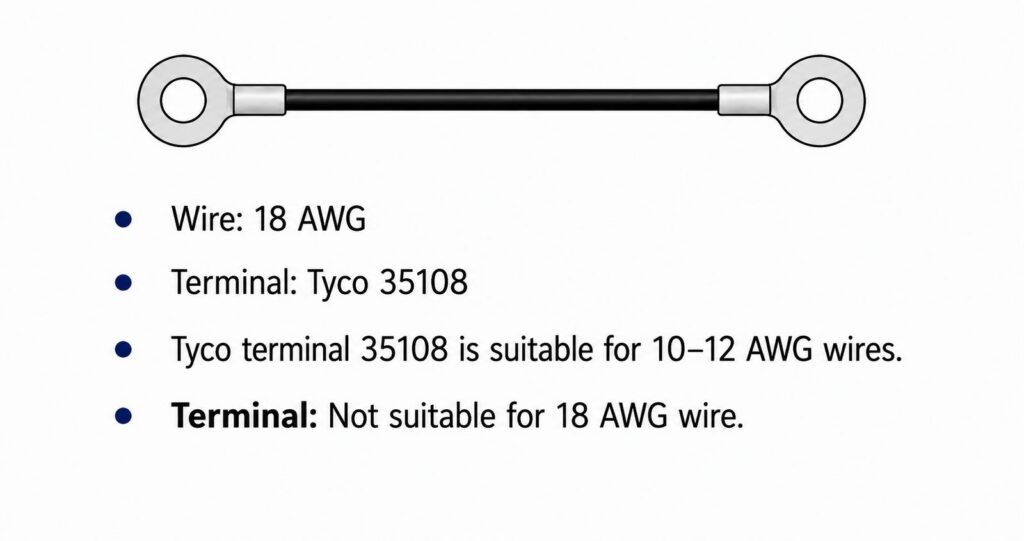
Figure 2. Wire details (single wire example).
Each point should be evaluated with respect to the customer drawings. Wherever there is a non-compliance or lack of clarity, feedback or clarification should be requested from the customer.
Never assume and proceed with a prototype build.
Get clear feedback from the customer and then proceed. The queries and customer responses should also be documented for later reference.
This checklist can be converted into an official company format by adding columns for status, risk/no risk, action item, action owner, target date and other information. It can then become part of the manufacturer’s Quality Management System.
Action 2: Compare the Drawing With the Customer’s Golden Sample
This step applies when the prototype being developed is an existing wire harness assembly, as described in Situations 2 and 3 above.
If the assembly already exists, it is very helpful if the customer can provide a golden sample of the wire harness.
If a golden sample is available, compare the sample and the drawing word by word, line by line, print by print.
Many times, there will be differences between the golden sample and the drawing. The customer may not even have noticed the differences, or the customer may have missed updating the drawing after prototype development with the existing supplier.
In reality, the golden sample is the actual working piece.
Consolidate all variations and deviations, inform the customer, and obtain clear feedback about whether the golden sample or the drawing should be followed for the prototype build. Again, all queries and customer replies should be documented for later reference.
In fact, there are customers who follow a process called CAI, or Current Article Inspection, in which it is mandatory to provide one sample from the existing supplier to the new supplier. The new supplier cross-checks the customer drawing against the customer-provided sample to identify any variations.
Any variations identified are then cleared by the customer.
This is a very good method to resolve differences between the latest customer drawing and the latest actual product the customer is currently using.
Action 3: Revising the Drawings
In many cases, the customer will not update the drawing immediately.
The wire harness manufacturer therefore needs to mention all deviations from the drawing, along with customer approvals and feedback, very clearly in the First Article Report.
Later, as the product moves into regular production, the customer should update the drawings to incorporate all the points discussed and agreed upon during the prototype build.
This is a must for a smooth production transfer and production run. It is also helpful for the customer because it eliminates mismatches between the drawing and the actual part.
The Customer’s Role in Producing a Perfect Prototype
The customer also plays a key role in helping the supplier produce a perfect prototype. Prototype development is not only the responsibility of the supplier. Full cooperation and technical support from the customer can make the process much smoother for both sides.
The customer should ensure that the latest versions of all drawings, BOMs and other relevant documents are provided to the supplier. If it is an existing product, a golden sample should also be provided whenever possible.
It is also important to accept the fact that there can be errors in drawings and BOMs. No matter how long a designer looks at a drawing, some hidden process issues may not become apparent. Some will appear only when the supplier begins the actual physical prototype build.
The supplier should therefore be allowed and encouraged to ask all necessary questions. Just as important, the customer needs to ensure that those questions reach the correct technical person at the customer end, that the correct person provides the answers, and that those answers reach the supplier clearly. Any errors identified should be accepted and corrected without hesitation so that the supplier can proceed with full clarity on the customer drawing and BOM.
For an existing product, another valuable step is to share the defect library or history of the product with the supplier developing the prototype. This allows the supplier to understand earlier defects and their causes and take them into consideration during the new prototype build.
All of these actions can help both the customer and supplier avoid spending considerable time on detailed corrective and preventive actions after a prototype fails.
If this mechanism fails, there is always the possibility that the supplier will manufacture the prototype according to its understanding of the customer documents, while the customer was actually expecting something else or a slightly different product.
Golden Rules for a Successful Prototype Build
After all the drawing reviews, questions, discussions and prototype work, a few golden rules remain:
- Review the drawings in depth.
- Review the schematic and the notes without missing any points.
- Never assume technical points.
- Never hesitate to clarify technical queries with the customer.
- Never hesitate to ask whether golden samples can be provided for reference and cross-checking with the drawing.
- Always document queries and customer feedback. Make them part of the First Article Report for records and later reference at both the supplier and customer ends.
- Have a permanent, long-term solution in mind when solving technical queries.
- Adopt a short-term or temporary solution only as a last option, and only with customer approval. Such solutions should be effective for prototypes only.
- Expect the unexpected in each step of the prototype build.
- Understand that sometimes the customer may get upset about questions that were not raised during the quotation stage but arise during the prototype build. The manufacturer needs to help the customer understand that all technical queries cannot be identified during quotation. Many will come up only when the actual prototype build begins.
Making a perfect prototype with respect to the customer drawing is a technical challenge that every wire harness Manufacturing Engineering team needs to handle carefully.
Any glitch or overlooked point can result in rejection of the prototype, project delay and an unsatisfied customer.
The drawing may be the master document. But it is during the prototype build that the drawing finally has to meet physical reality.
Expect the unexpected.
Readers with questions, comments or feedback regarding this article are invited to contact John directly at [email protected].