









By Dan Furrow, SVP U.S. Industrial, Wesco
Almost every cable has a jacket and for good reason: jackets help mechanically protect the insulation and conductor core of the cable. Without a jacket, cables are susceptible to abrasion, heat damage and oxidation damage, as well as weather-related damage. But not every jacket is created equal. Proper jacket selection is critical to ensuring a cable performs as intended in its operating environment.
We explore some of the different cable jacket types and provide an overview of their mechanical and chemical properties.
What Does a Cable Jacket Do?
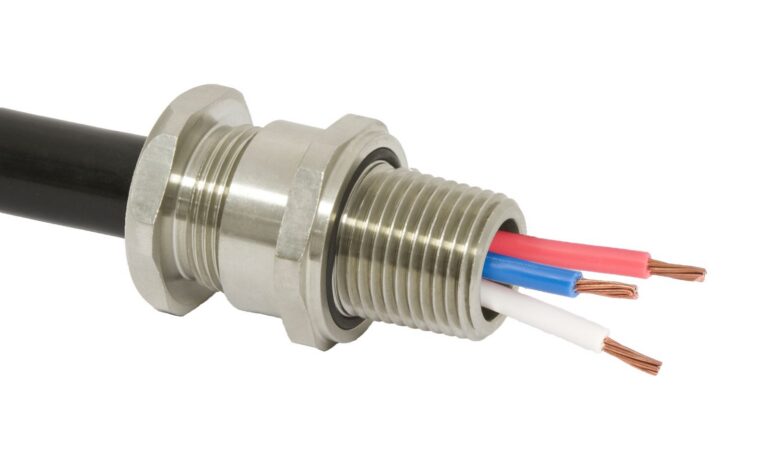
A jacket is the outermost layer of a cable. Its primary function is to protect the insulation and conductor core from external physical forces and chemical deterioration. The cable jacket is the first line of mechanical defense for a cable by protecting its inner components. Cable jackets offer mechanical, moisture, flame and chemical protection while also protecting the cable from damage during or after installation.
Thermoplastic vs. Thermoset Cable Jackets
Selecting the right cable jacket starts with understanding how different jacket materials perform in harsh industrial conditions. Thermoplastic and thermoset cable jackets are the most commonly available and come in a range of options, each offering different performance characteristics.
Thermoplastic:
Polyvinyl Chloride (PVC)
While not exhibiting a wide range of thermal characteristics, PVC is resistant to oils, acids, sunlight, heat, weathering and abrasion. These strong physical assets make PVC an ideal jacket material for cables that will be used for direct burial, street lighting and control cable. Since PVC is inherently flame retardant, it is the most common jacketing material for electronic cable.
Polyurethane (PUR)
PUR jackets have excellent oxidation, oil and ozone resistance, and can also have good flame resistance when specially formulated. These types of jackets also have great shape memory, which make them ideal for retractile cords.
Chlorinated Polyethylene (CPE)
CPE is one of the few polymers that is available as both a thermoplastic and a thermoset jacket (thermoset CPE would be a cross-linked version). The thermoplastic CPE jacket has excellent oxidation, heat, oil, weather, sun and flame resistance. Although the thermoset version has better high-temperature properties, the thermoplastic version contains other excellent properties.
Thermoset:
Ethylene Propylene Rubber (EPR)
Another form of synthetic rubber, EPR is a type of jacket that is a modified form of the EPR insulating compound. EPR jackets have excellent heat, abrasion and oxidation resistance and can also withstand cold temperatures down to -60°C. With good high-temperature characteristics overall, EPR can be flame retardant when formulated correctly.
Chlorinated Polyethylene (CPE)
The thermoset CPE jacket (cross-linked) has excellent physical properties that make it suitable for many cable jacket applications. This polymer is resistant to ozone and ultraviolet degradation and can also withstand prolonged immersion in water if properly compounded. With strong resistance to most acids, bases and solvents, thermoset CPE jackets are well-suited for chemical plant use.
Neoprene
Neoprene is a synthetic rubber that allows for a resilient jacket. By not embrittling at cold temperatures, resisting permanent deformation under heat, and resisting aging due to oxidation and sunlight, neoprene jackets are suitable for cables in rugged environments, such as mine trailing cables and dredge cables.
Chlorosulfonated Polyethylene (CSPE – Hypalon)
Hypalon was once a popular choice for high‑performance jackets due to its exceptional resistance to abrasion, chemicals and extreme weather. However, it’s no longer widely used today. Production of Hypalon has been discontinued for years due to environmental concerns and the high cost of manufacturing compared to newer materials. In its place, modern jacketing compounds now offer similar or improved durability, flexibility and weather resistance while being lighter, more sustainable, and easier to produce. As a result, Hypalon has become more of a legacy material—known for its toughness but largely phased out in favor of more efficient alternatives like thermoset CPE.
| Thermoplastic | Thermoset | |||||
| PVC | Polyurethane | CPE | Neoprene | EPR | CPE | |
| Oxidation Resistance | Excellent | Excellent | Excellent | Good | Excellent | Excellent |
| Heat Resistance | Excellent | Good | Excellent | Good | Excellent | Excellent |
| Low-Temperature Flexibility | Poor to Good | Good | Excellent | Fair to Good | Good to Excellent | Fair |
| Weather / Sun Resistance | Good to Excellent | Good | Excellent | Good | Excellent | Excellent |
| Abrasion Resistance | Fair to Good | Outstanding | Excellent to Outstanding | Good to Excellent | Good | Good to Excellent |
| Flame Resistance | Excellent | Poor | Excellent | Good | Poor | Good |
| Water Resistance | Fair to Good | Poor to Good | Outstanding | Excellent | Good to Excellent | Good to Excellent |
| Underground Burial | Poor to Good | Good | Excellent to Outstanding | Good to Excellent | Excellent | Excellent |
Cable Jacket Resistance and Protection
Cable jackets can be modified to provide the best possible mechanical protection to the insulation and conductor core. The addition of fillers, plasticizers, activators and inhibitors can enhance certain physical characteristics, including:
- Toughness, tear and abrasion resistance
- Flexibility during cable installation, at low temperatures
- Stability over a range of temperatures
- Resistance to heat aging
- Resistance to cable deformation
- Flame resistance
- Oil resistance
- Low moisture absorption
- Resistance to abnormal concentrations of chemicals
- Weather and ultraviolet resistance
Expertise Matters in Cable Jacket Selection
Choosing the right cable jacket requires a clear understanding of how different materials perform under real‑world conditions. Environmental exposure, mechanical stress, chemical contact, and installation demands all influence whether a jacket will deliver long‑term durability and protection.
That’s where Wesco’s wire and cable expertise makes a difference. Our specialists work alongside you to evaluate application requirements, environmental conditions, and operational priorities to help you select the most appropriate jacket material for your project. From harsh industrial environments to demanding outdoor installations, Wesco provides the technical insight and product knowledge needed to ensure your cable solutions are built to perform reliably over the long term.