






































Why the hardest part of selling your company comes after the deal closes
- Go Do Good Work
When I was in college, my advisor, Fr. Guerin, said the same thing to me every time we parted. He would shake my hand, look me in the eye, and tell me to go do good work. I took him at his word, the way an eager young man does, and I never really stopped.
So, I built companies. Practiced servant leadership, wrote when I had something worth saying, and spent a lot of years mentoring people who were a step behind me on the same road. I got good at doing good work. I got so good at it that I sometimes forgot there was an actual person underneath all the doing.
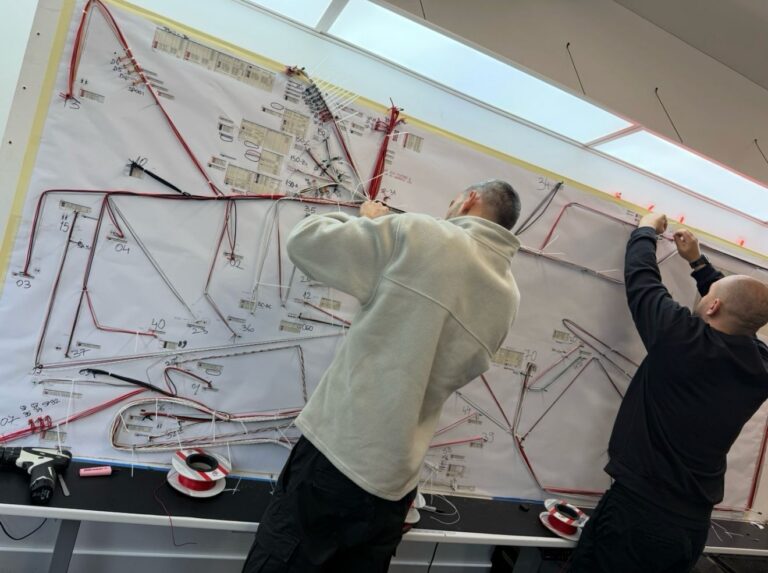
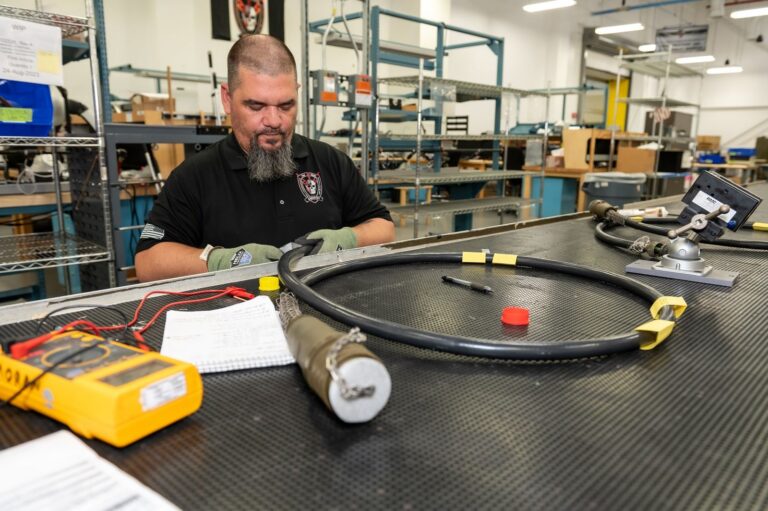
If you own a wire harness or cable assembly shop, you know the man I’m describing, because you meet him every morning in the mirror. He is the first one in and the last one out. He carries the customer who only trusts him, the pricing nobody else quite understands, the fire on line three, and the payroll that must clear on Friday. He carries all of it in the same tired body. Owning the business was never just your job. Over twenty or thirty years, it became the answer to the question of who you are. That is the part almost nobody prepares you for.
- | Day Thirty-One
Every M&A advisor will tell you the hardest part of selling your company is the due diligence. The document requests, the buyer’s questions, the late nights reconciling numbers you thought you had put to bed years ago. It is genuinely hard, and I would never talk you out of respecting it.
But in my experience, that is not the hard part. The hard part is day thirty-one, the morning a month after the deal closes, when the wire has cleared, and there is nowhere in particular you need to be.
More than three quarters of business owners say they feel real regret within a year of selling, and when you sit down with them, the regret is almost never about the money. The money was fine. It was often better than fine. What gets to them is quieter than that. For twenty or thirty years the business was the answer to who they were, and then the answer was simply gone.
- | The Walk
I know how this goes because I lived a version of it, and because I was fortunate enough to see it coming.
A few years ago, when I was getting my own company ready to sell, I did something that made no sense on a spreadsheet. Instead of tightening the model one more time, I flew to Spain and started walking the Camino Ignaciano. Four hundred and fifty miles of it, by myself, one town at a time, until the road finally climbed up 10,000 ft into the strange stone peaks of Montserrat, where monks have kept a monastery, and people have gone looking for a little clarity for the better part of a thousand years.
A long walk does something to a man that no banker can. It takes away the dashboard, the inbox, and the running list. After enough days, there is nothing left but you and the next mile. Somewhere in there the noise dropped low enough that I could finally hear a question I had been too busy to ask. It wasn’t a louder question than the ones I usually chased; it was a much quieter one. By the time I reached the top I understood that I had not come all that way to decide what I would do after the sale. I had come to figure out who I would be once the doing was behind me.
- | “I Just Want Out”
This is why I push back a little when a founder tells me he just wants out. I believe him when he says he is tired. But “out” is not really one thing, and if we do not slow down and figure out which thing he means, we will end up building the wrong deal.
Sometimes what he wants is liquidity, plain and simple. He wants to turn years of retained sweat into money he can finally spend. Sometimes it is not about the money at all. He is worn down by the daily weight of being the person everyone leans on, and he just wants to set that weight down. And sometimes, underneath both of those, what he really wants is to know that the thing he gave his life to mattered.
Those are three different conversations, and they lead to three different ways of running a negotiation. The owner who needs liquidity and the owner who needs to know he mattered should not be pushed through the same playbook. An advisor who cannot tell them apart will get you a number and call it a day.
- | Be Good Soil
Around the time of that walk, I came across a line from Tom Morris, the philosopher, about the work of the second half of life. He did not say do good work, the way Fr. Guerin had all those years ago. He said be good soil. It sounds like the smaller job. It is the bigger one.
Soil does not hustle or network or worry about the monthly financials. It takes things in, feeds what is planted in it, lets go of what has gone to rot, and gets the ground ready for whatever grows next. That turns out to be a fair description of what a founder is meant to do once he stops running the show, and it is the reason why a real exit plan must cover far more than the closing.
So, when we sit down together, we do not only talk about price and terms. We talk about what role, if any, you want once the business belongs to someone else. We talk about what happens to the people who helped you build it, because for most founders, that keeps them up at night more than the valuation ever does. And we talk about the one nobody likes to say out loud, which is who you are when the title on your card is gone. None of those questions is soft. Every one of them changes how the deal should be structured, which buyer is the right fit for you, and whether you spend day thirty-one proud of what you did or quietly wishing you could have it back.
- | The Real Legacy
For most of my life the question running underneath everything was what should I do next. It is a good question, and it built everything I have. But it does not shut off on its own. It will walk right past the closing table and sit down beside you in retirement, with no idea what to do with it.
On that mountain, a different question finally caught up with me, and it is the one I would leave you with. Not what should I do next, but who is growing because they happen to be planted near me. Your children. The plant manager you promoted, who runs the floor better than you ever did. The younger owner you take to lunch and talk off the ledge. Those people are your real legacy, far more than the figure on the closing statement, and they do not need you to keep doing. They need you to have become the kind of ground good things can grow in.
If you are starting to think about your own exit, and you want someone who takes that weight as seriously as the valuation, let’s talk, quietly and off the record. My door is open, and so is my inbox.
Greg Shine | Managing Director, Blue Valley Capital LLC
Blue Valley Capital LLC is a boutique sell-side M&A advisory firm serving wire harness and cable assembly manufacturers in the lower middle market. Through the proprietary HarnessPoint™ Exit Readiness Program, the firm prepares founders for strategic exits that protect enterprise value and honor the businesses and the lives behind them. Greg Shine, Managing Director, is a former wire harness owner-operator who built, operated, and exited his own company over a thirty-five-year career before dedicating himself to guiding other founders through the most important transition of their professional lives.