






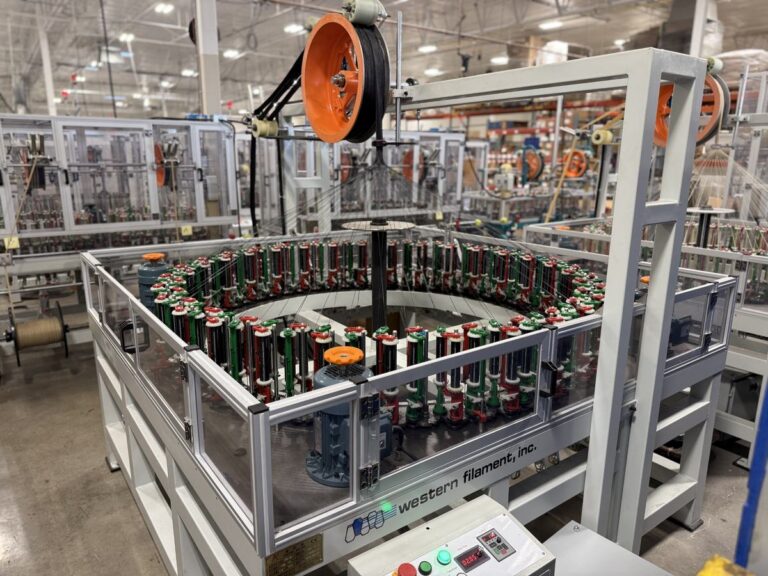






Inside the unconventional world of Millbrook Electronics and its founder, Craig Shearer
I usually have a pretty good idea where a Company Profile interview is going before it starts. I do my homework, put together a list of questions and send them to the company beforehand. There are always a few surprises, and hopefully a few answers that lead us somewhere I hadn’t anticipated, but the questions at least give us a road map.
About two minutes into my conversation with Craig Shearer, founder of Millbrook Electronics, that plan went out the window.
I had prepared questions for the owner of a wire harness manufacturing company, but the more I talked with Craig, the less relevant they seemed. So, I put them aside and let him tell his story. Somewhere over the next hour, I realized why. The story isn’t really Millbrook; it’s Craig.
Perhaps the best place to begin is with a photograph Craig sent me before our interview. It shows him as a kid, working on electronics with his father nearby. The picture is a pretty good preview of what was to come. Craig freely admits that academics weren’t necessarily his thing, but working with his hands was another matter. Electronics and building things made sense to him. More importantly, his father gave him the opportunity to discover that about himself.
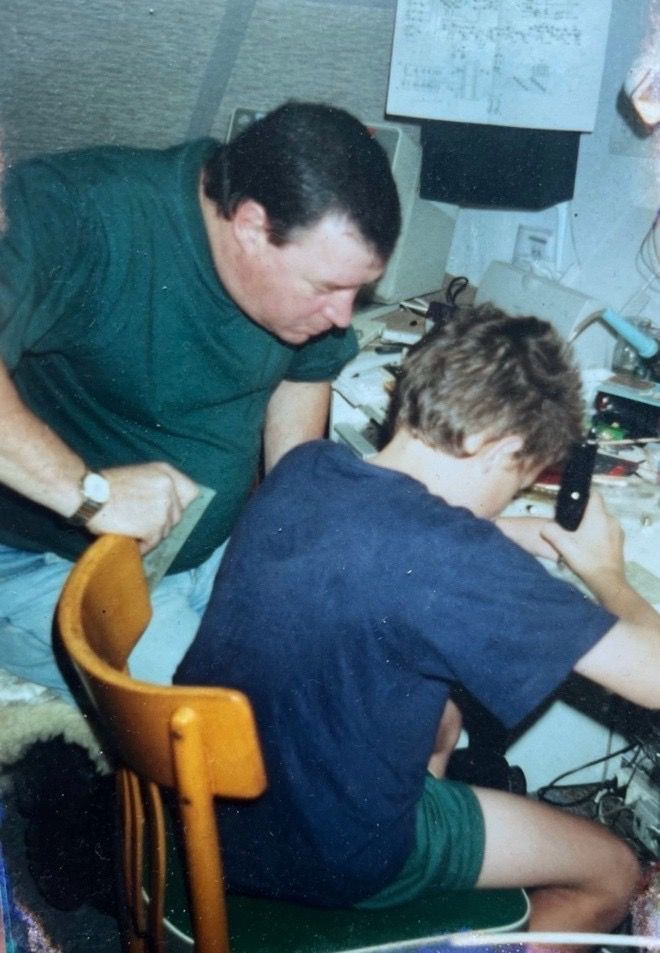
Craig was born in South Africa, and his family moved to Holland when he was young. His father was an electrical design engineer, and after struggling to find much work there, he accepted what was supposed to be a two-week contract in the UK with Delphi Diesel Systems. Two weeks became years. One of his father’s assignments involved designing an engine simulator that allowed engineers to change variables such as temperatures and speeds, introduce faults and test ECU software. Eventually, some of that work made its way home, and Craig’s father did what generations of mechanically inclined fathers have done before him. He put his son to work.
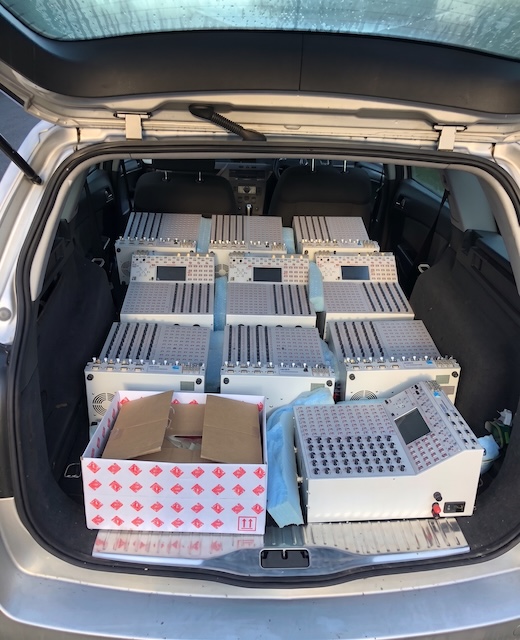
Craig remembers being about 15 when the work became serious. He would go to school, come home and put in what he described as a proper shift in the garage, soldering through-hole components, making PCB modifications, doing mechanical work and whatever else the project required. Years later, when Craig tells someone that formal education isn’t the only route into technical work, he isn’t reciting a philosophy he picked up at a leadership seminar. He is describing his own life.
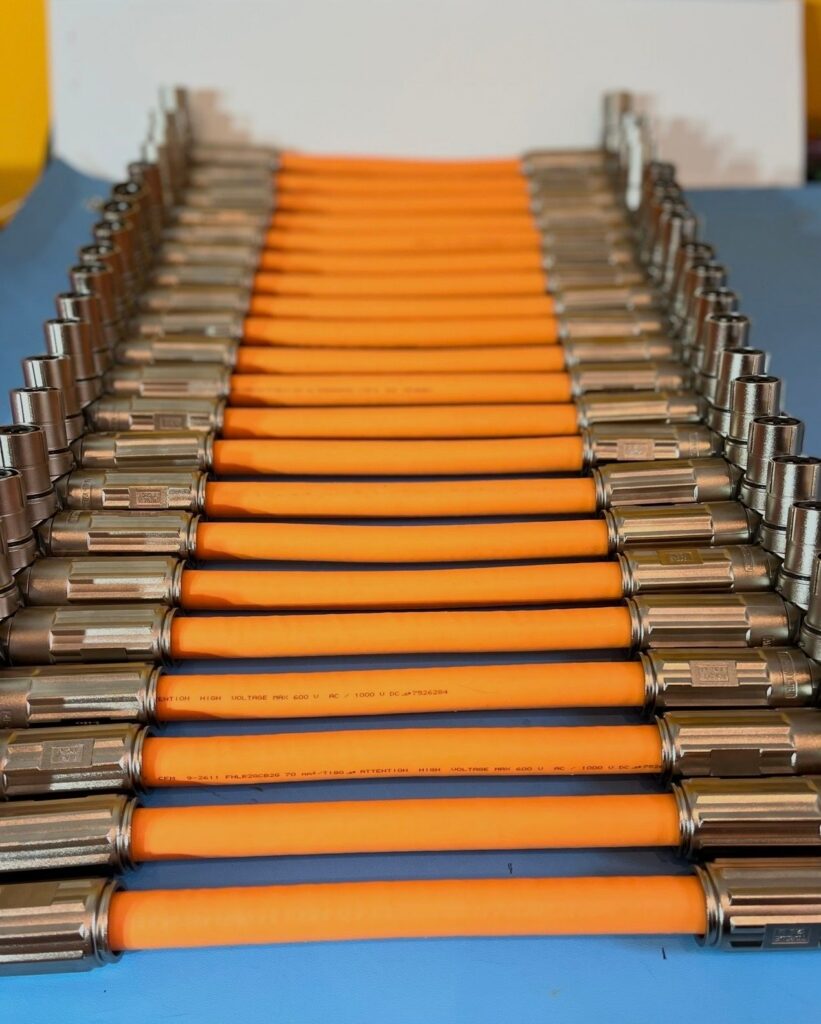
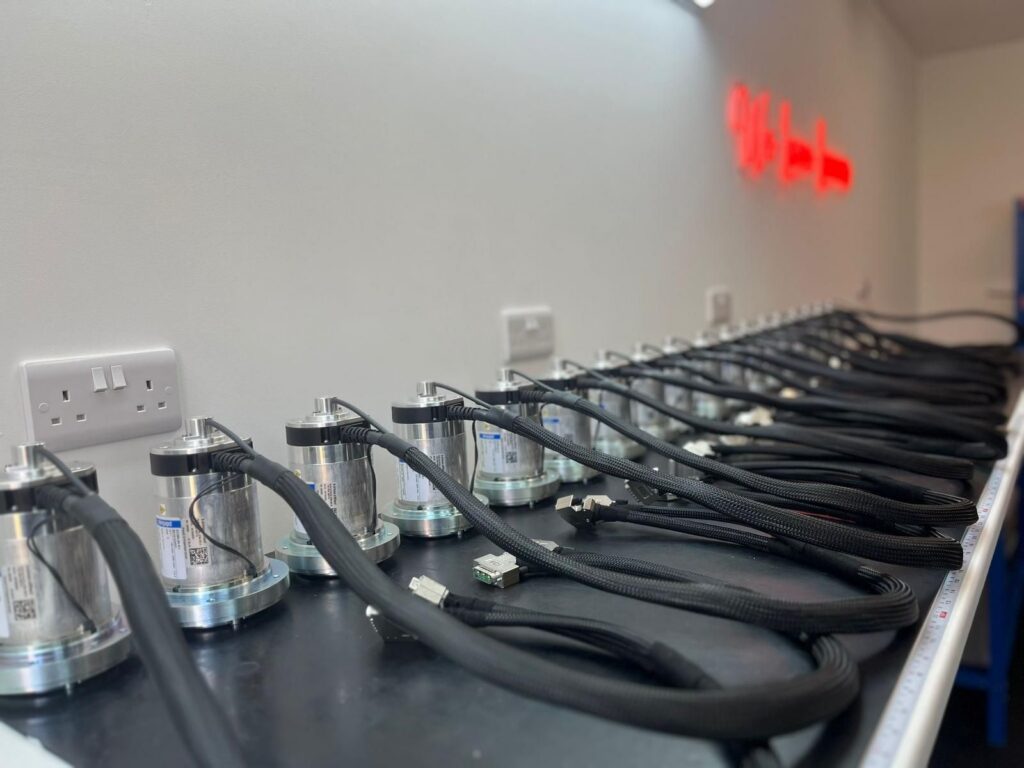
From that garage, Craig went on to build a career as a contractor, collecting experience across an unusual assortment of industries and companies. Motorsport, automotive, medical, defense and eventually robotics all found their way into the mix. He saw different approaches to electrical systems and harnesses, different standards and different ways of getting things built. That broad experience matters because Millbrook today doesn’t really behave like a company built around one particular industry or manufacturing process. It behaves more like Craig does. Give him a problem, and he’ll start figuring out how to solve it.
Millbrook Electronics in its present form is surprisingly young. Craig dates it to roughly three years ago, following the end of an earlier business partnership. I won’t dwell on the details of the breakup, except to say it wasn’t pleasant and left Craig essentially starting over. He had invested heavily in the business and remembers reaching a point where he had paid about the last month’s rent he could afford. Tools were gone, customers had to be won back, and the business had to be rebuilt.

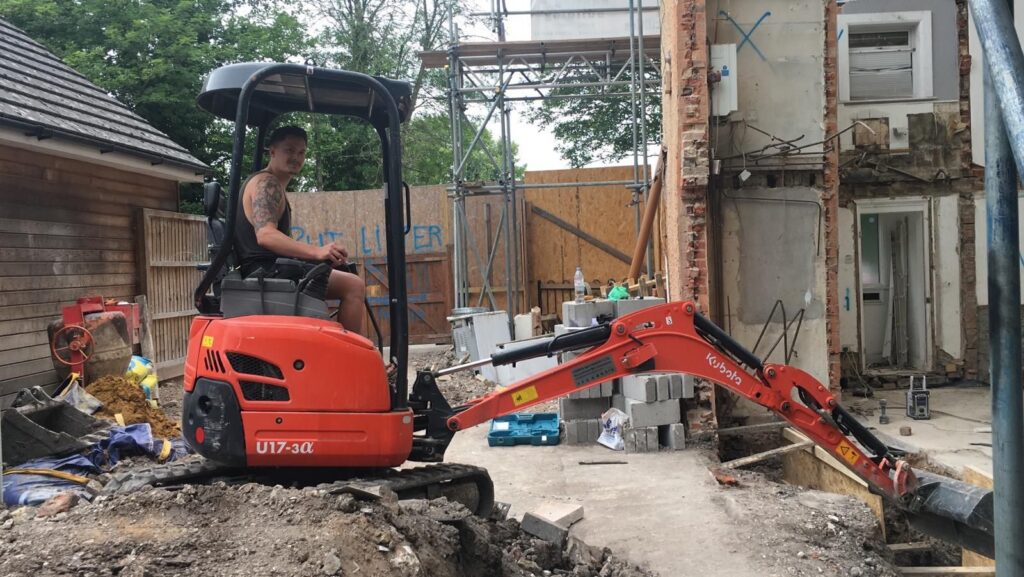
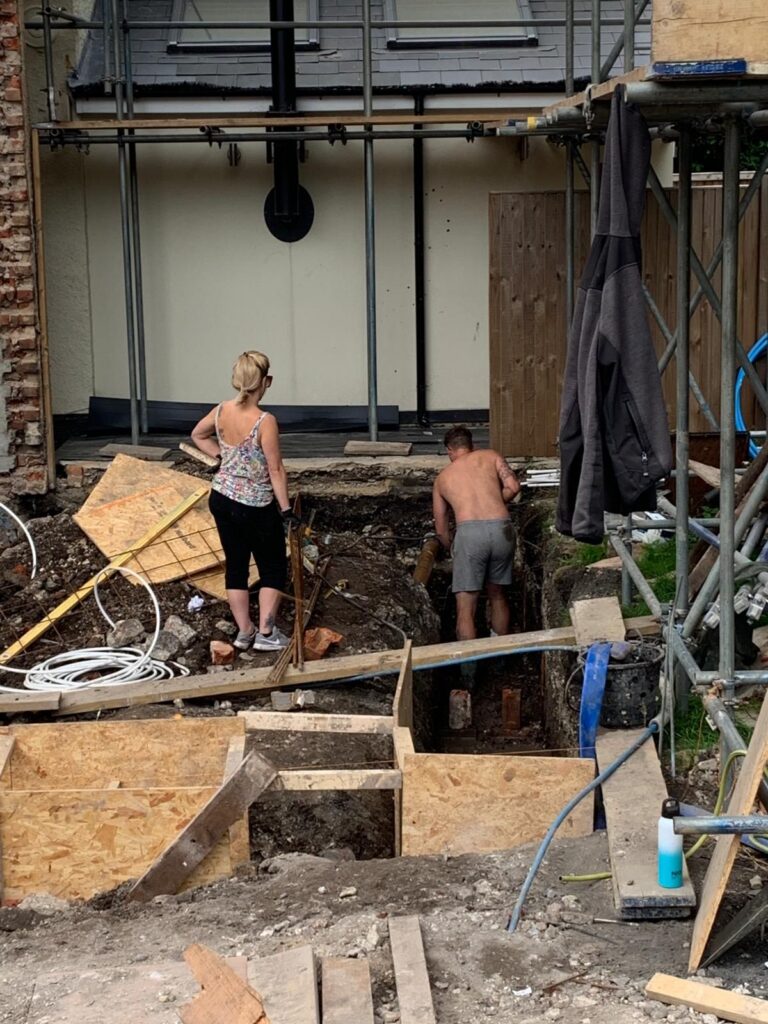

Craig purchased and did a major renovation of his childhood home, a project he undertook to help provide seed funding for Millbrook Electronics.
What emerged from that period was a company that reflects Craig’s personality to an unusual degree. Starting over also gave him the opportunity to decide what kind of company he wanted Millbrook to be, and perhaps just as importantly, what kind he didn’t want it to become. His approach is remarkably straightforward: when a customer comes to you with a problem, find a way to help.
“We don’t really turn customers away,” he told me. “We make it fit, so we’ll make it happen.” If additional people are needed, Craig finds them. If the customer has documentation problems, Millbrook helps work through them. If the deadline is ridiculous, well, there have apparently been plenty of long nights at Millbrook. “My business model is not greed-driven,” Craig explained. “It’s kind of build relationships, provide the best service that we can, and just be different to other companies.”
Give Him the Napkin
There was a moment during our conversation when I couldn’t help thinking about an article we published just a couple of issues ago, “The Art of Reading a Harness Drawing.” The experienced harness people we spoke with for that piece stressed the importance of proper documentation, accurate dimensions, clear bills of material and drawings that actually provide the information needed to manufacture a harness. I seem to recall the proverbial drawing sketched on the back of a napkin coming up as an example of something you probably don’t want to see arrive with an RFQ.
Then I met Craig, who might be the one harness builder I’ve encountered who wouldn’t be particularly alarmed if you handed him the proverbial napkin. In fact, depending on what was drawn on it, he might be perfectly happy to get started.
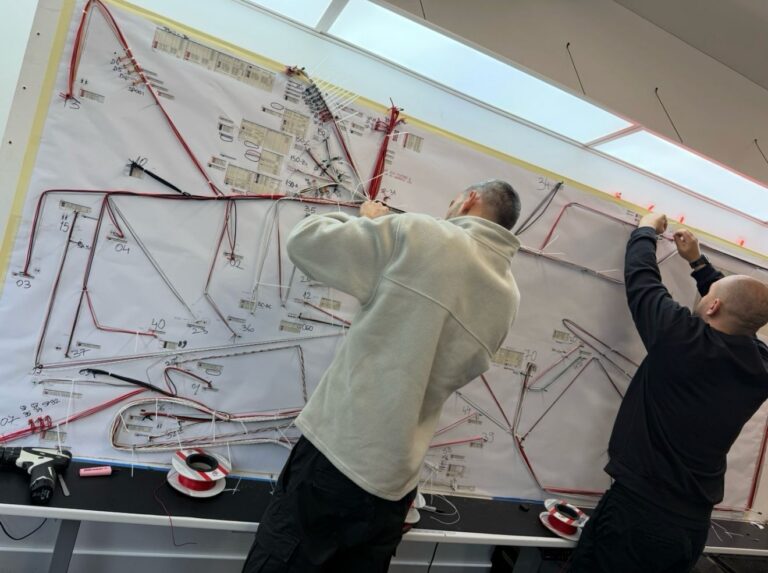
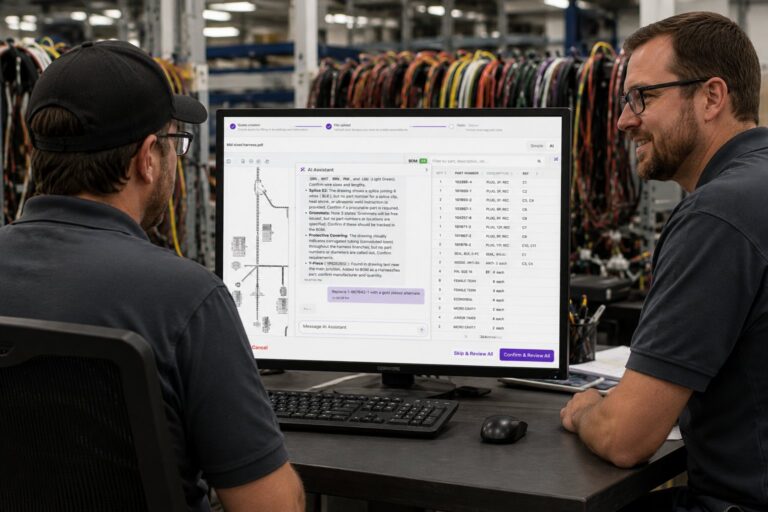
Millbrook operates in a part of the development cycle where the documentation often isn’t finished because, frankly, the product isn’t finished either. Craig works extensively with technology startups and engineering groups moving very quickly, and some of the harness information arriving at Millbrook bears little resemblance to the carefully codified production drawings we normally associate with mature harness programs. Craig described some of the drawings as “almost hobbyist level.” Others, he said, are “just scribbles more than anything else.”
The distinction is important. Craig isn’t saying documentation doesn’t matter. He knows perfectly well what a drawing ultimately needs to become. Millbrook is simply willing to meet the customer earlier in the process, when the engineer may still be figuring out the product itself. Rather than immediately rejecting incomplete information, Craig tries to determine what the customer is attempting to accomplish and help move it toward something that can actually be manufactured.
One example may be the most Craig-like story of the entire interview. A customer sent Millbrook an Excel spreadsheet showing the legs of a large vehicle harness on a grid. Craig noticed that some of the diagonal dimensions didn’t add up. The conventional response might have been to send it back to engineering and wait for a corrected drawing. Craig broke out the Pythagorean theorem, figured out the geometry and kept moving. “You can send us anything you want,” he told me. At that point in our conversation, I was pretty sure he meant it.
The company lives upstream from many traditional production harness manufacturers. Its customers may eventually need thousands of harnesses, but that’s not necessarily the problem they have today. Today they may need one or ten. More importantly, they may need them because a prototype has to run, a vehicle has to be demonstrated, or another funding milestone has to be reached. And that happens Friday.
That need for speed has helped Millbrook build an extraordinary amount of business thousands of miles from its base in Bedfordshire, UK. Craig estimates that roughly 90 percent of the company’s work now comes from Silicon Valley, where it supports customers involved in areas including humanoid robotics, autonomous vehicles and other advanced technologies. It sounds geographically impractical until Craig explains the turnaround.
“We make a harness here on a Wednesday, we ship it out on a Thursday, and it arrives in Silicon Valley on a Friday morning before 10 o’clock,” he said. The attraction isn’t speed alone. Craig says Millbrook works with customers to improve manufacturability and identify ways of making the harness less expensive when it eventually moves toward production.
Perhaps the strongest indication that the approach is working is how the customers arrive. Craig says Millbrook does little cold calling. Much of the business comes through people he has worked with over the years or referrals from existing relationships. At one point he told me Millbrook had onboarded with roughly ten companies in just two weeks, which created the unusual problem of having almost too much opportunity. Craig said he had even stopped posting on LinkedIn for about six months because he didn’t particularly want to generate more work until the company was ready for its next stage of growth.
That next stage occupies a good deal of Craig’s thinking these days. Millbrook is considering a more permanent presence in Silicon Valley, and Craig has also explored opportunities in the burgeoning UAE tech sector. But the challenge isn’t simply getting bigger. He is trying to figure out how to expand without losing the personal, flexible, slightly unconventional character that got Millbrook here in the first place.
And that brings us to people.
What Are You Doing This Weekend?
If Craig’s approach to harnesses is unconventional, his method of finding talent might be even more so. One of my favorite stories from our conversation began when Craig forgot to pay for his gas after a long day.
An employee at the station recognized Craig as a regular and, on his next visit, mentioned that Craig had forgotten to pay for his gas the previous time. That got them talking and, as Craig puts it, he likes finding out about people. He quickly discovered that the guy working at the station had a degree in automotive engineering but was there because it was the only job he could find that offered the sponsorship he needed to remain in the UK. Craig asked him a simple question: “What are you doing this weekend?”
That turned into some extra work. Fast-forward two and a half years and, according to Craig, the guy is still working with him and has become an important resource. He and his wife were among the people who had recently stayed until around 2 a.m. completing urgent harnesses for a Silicon Valley customer.
The story would be a great anecdote if it happened once. With Craig, it seems to be a recruiting strategy.
Years earlier, he knew someone working night shifts at Sainsbury’s, a UK grocery chain. The man wanted to do something different but told Craig he didn’t have the education. Craig’s response was essentially that he didn’t either. He invited him over for the weekend and decided to see what he could do.
Craig cut the ECU wiring on his own motorcycle and turned it into a lesson. When the prospective technician immediately grabbed the wire strippers, Craig stopped him. The first lesson wasn’t how to strip the wire. It was to ask how. Craig walked him through stripping without damaging conductors, tinning, fluxing, heat shrink and soldering. He liked what he saw, helped him get an interview and gave him the opportunity to learn on the job. Craig says that person now plays a pivotal role for the Mercedes Formula One team and has for roughly a decade.
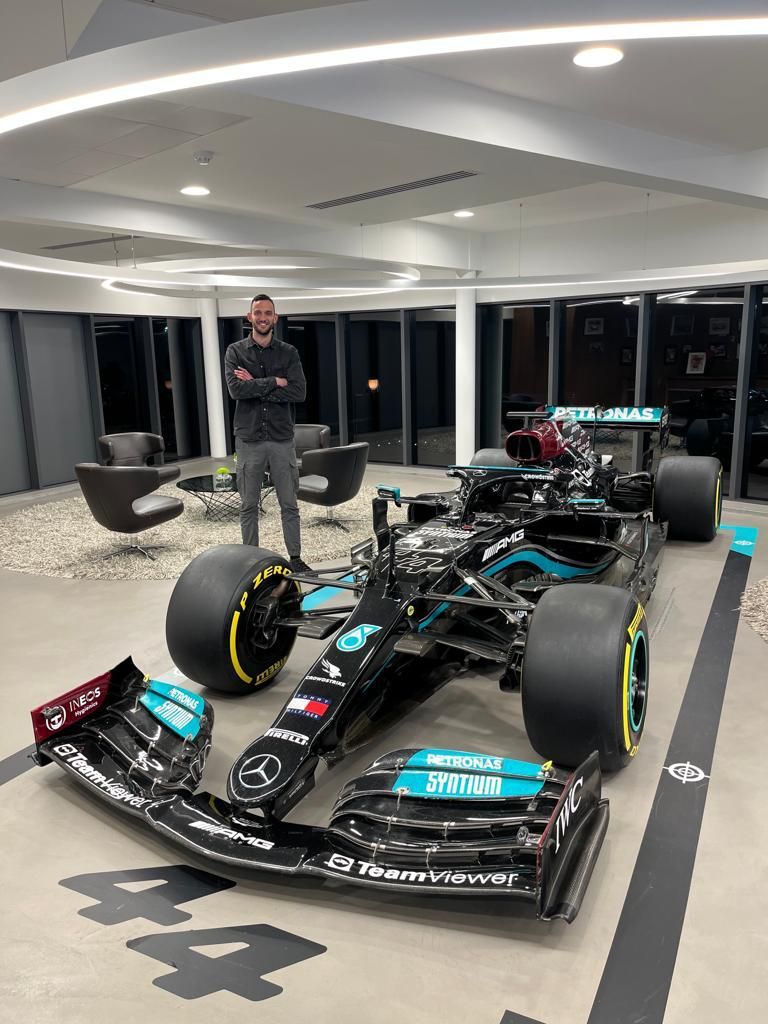
Another technician Craig discussed had been pouring pints in a pub just a few years before moving into sophisticated technical work. The details vary, but the theme doesn’t. Craig seems to have an eye for people who may not arrive with the conventional résumé but have the curiosity, attitude and dexterity to learn.
“I like finding out about people,” he said. “I try and upskill everyone. Training people is my favorite thing to do.”
There is an interesting parallel here with the way Millbrook handles customers. Give Craig an unfinished harness drawing and his first instinct is to see whether he can turn it into something workable. Give him a person who hasn’t followed the expected route into electronics, and he seems to ask much the same question. Is there something here I can work with?
Millbrook’s flexibility also comes from a network of skilled technicians Craig can call on when additional capacity is needed. The arrangements can be decidedly informal. Craig might prepare a build kit, meet a technician in a car park to hand it over, then meet again later to collect a completed, fully tested harness. It’s an unconventional approach, but it gives Millbrook access to additional expertise and capacity without carrying the overhead of a much larger permanent workforce.
Craig’s interest in developing people has also become an unusual part of Millbrook’s business model. In addition to building prototype harnesses, the company provides skilled technicians to customers that need additional expertise on-site. In effect, Millbrook can provide a highly skilled technician to become part of a customer’s team for the period they’re needed, without the customer having to make a permanent hire. At the time we spoke, Craig had three technicians working inside other companies in different technical areas. They remain connected through what he calls a technician chat community, giving them access to one another even while they’re working at different customer locations.
Craig sees considerable potential in taking that idea further. One of his longer-term goals is to create something resembling a training school or technician pipeline, where people can learn through hands-on work, develop skills across disciplines and then potentially work inside companies that need those abilities. “I’m an example of, you can literally go from working in a garage to working in Silicon Valley,” he said. “I think my strengths lie in teaching people and empowering people.”
He would also like to extend those opportunities to people who might otherwise have difficulty finding a path into the electronics industry. Craig’s wife previously worked with people with disabilities, and he specifically mentioned his desire to create opportunities for people with autism and other abilities who might thrive in this kind of work. He isn’t presenting a finished program yet, but he sees real potential in building a larger pipeline for identifying, training and developing technical talent. For Craig, growing Millbrook isn’t simply about producing more harnesses. It’s about expanding the model that has worked for him by developing capable people, placing them where their skills are needed and building a business around solving difficult problems for customers.
Not the Factory
In fact, Craig’s attitude toward growth may be one of the most unusual things about Millbrook. The traditional manufacturing trajectory is familiar. Build prototypes, win the production order, add equipment, increase capacity and turn ten harnesses into 100, then 1,000, then 10,000. Craig isn’t convinced that’s what he wants to do.
When one of Millbrook’s prototype customers reaches meaningful production volume, Craig already knows larger harness manufacturers with the equipment, testing infrastructure and capacity to handle that work. He is perfectly willing to send the customer to them. When I asked whether he could see himself running a large production operation, his answer was refreshingly uncomplicated. “I don’t think that’s probably where my skill and talent lie,” he said. “It’s not for me.”
Craig also has no desire to become the guy who sits in an office while everyone else does the interesting work. Even as he considers partnerships and investment that could help Millbrook expand, he told me he wants to remain “on the tools.” Teaching people, working through prototype problems and being directly involved with customers are the parts of the business he enjoys.
So maybe the easiest way to understand Millbrook is that it doesn’t necessarily want to become the factory. It wants to be the company you call before you’re ready for the factory.
Craig’s approach to other harness manufacturers follows the same logic. He talks about the harness industry as a relatively small community, and if Millbrook can’t handle a job, he’d rather help connect the customer with someone who can. He described passing opportunities to other wiring shops in the United States and connecting companies that might be able to help one another. “Every now and again, a wiring shop needs to help another wiring shop,” he said. Craig figures that if you genuinely help a customer when you can’t take their work yourself, they’ll remember who helped them the next time around. “It’s just a good way to do business.”
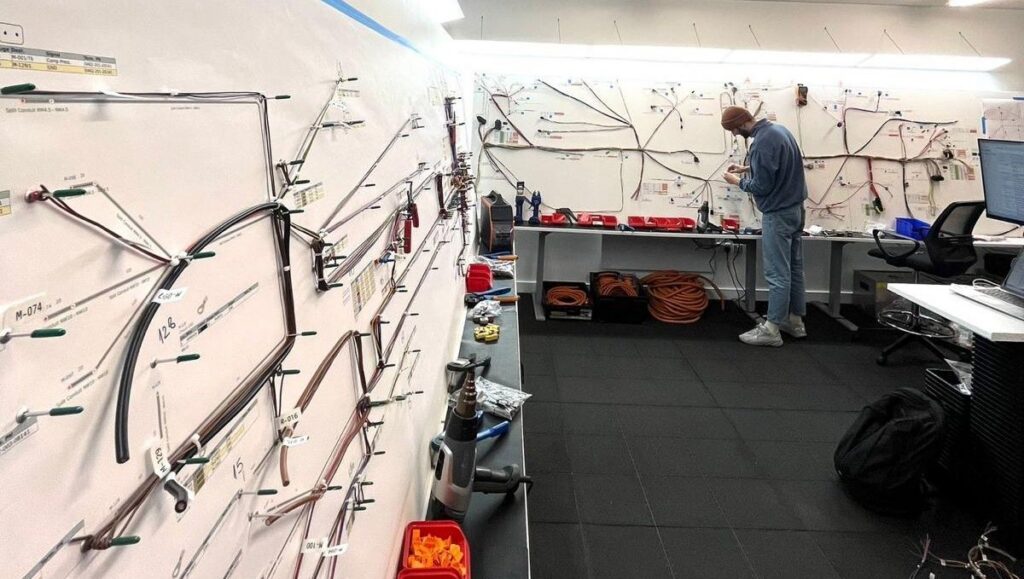
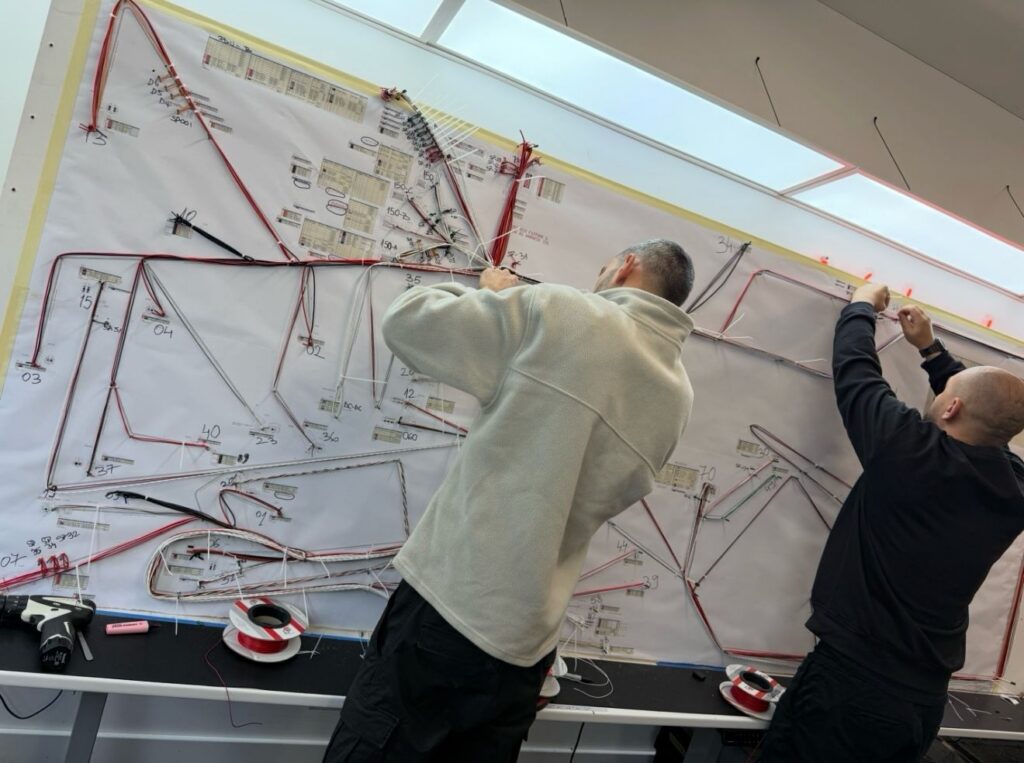
That philosophy has occasionally cost him.
One of the more difficult stories Craig shared involved a startup customer that desperately needed harnesses around the Christmas holiday. The company was trying to get a vehicle running and reach the next stage of funding. Craig did what Craig does. He pushed hard, worked long hours, put his own money into materials and labor and made sure the customer got what it needed. At the same time, Craig’s father was in hospice.
Craig found himself working on the harnesses until late at night when, looking back, he wishes he had spent more of that time with his dad. Then the startup ran out of funding. Millbrook never got paid. The loss ultimately amounted to around £11,000, a significant blow for a small company that was already recovering from previous setbacks. But listening to Craig tell the story, the money clearly wasn’t the part that bothered him most. He had prioritized the work over time with his father, and there was no getting that time back. “We learned from it,” he said.
That story brought me back to the photograph Craig had sent before our interview. There is young Craig working alongside the man who first put a soldering iron in his hand and gave him the opportunity to discover something he was good at. Craig credits his father with much of what followed, not simply because he taught him electronics, but because of the work ethic and values he demonstrated along the way.
Now Craig is doing much the same thing for other people. The kid who was given an opportunity because somebody took the time to teach him now talks about training and empowering others as perhaps the thing he enjoys most.
Craig is still figuring out exactly what Millbrook will look like in the years ahead. He is considering how to establish a stronger presence in Silicon Valley, how to add people without losing the company’s flexibility, and whether the right partner might allow Millbrook to grow without turning it into precisely the sort of conventional manufacturing operation he has no desire to run. He admits that right now he is stretched between working on harnesses, dealing with customers, selling, managing the business and occasionally handling the accounts.
But the underlying idea seems pretty well settled. Take care of people. Teach what you know. Build relationships. Don’t gouge somebody because they’re desperate. Don’t be afraid of an ugly problem. And when somebody hands you something unfinished, don’t immediately tell them everything that’s wrong with it. See if you can make it work.
Maybe that’s why my carefully prepared interview questions lasted about two minutes. I kept trying to determine which familiar category Millbrook Electronics belonged in. Prototype harness manufacturer? Oh, yeah. Engineering support? Yep. Technical staffing and training? Increasingly. Problem solver? Without question. But none of those quite gets it.
Craig told me that when he looks at how far things have come from working in a garage as a teenager to supporting some of the technology companies Millbrook works with today, he sometimes finds it hard to believe himself. I can understand why.
And if you’re developing the next robot, autonomous vehicle, race car or some machine that doesn’t have a convenient category yet, and your harness drawing is little more than an Excel spreadsheet, a rough sketch or, heaven forbid, something on the back of a napkin, you might want to hang onto it.
I know a guy.