





















Why Emotional Intelligence Separates Good Advisors from Great Ones
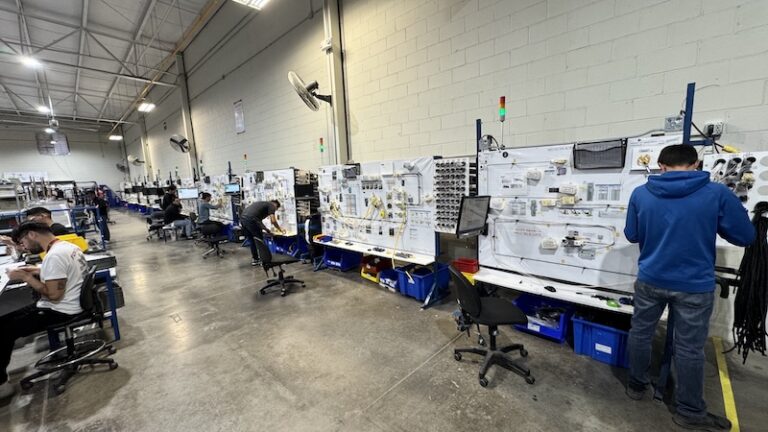
I remember the morning I closed the sale of my wire harness company as if it were last week. Years of building, hundreds of employees who had become family, a factory floor that still smelled like soldering flux and hard work, and now, at the stroke of a pen, it belonged to someone else.
I had prepared for everything. The financials. The due diligence. The working capital peg. The reps and warranties. What I had not prepared for was what happened about an hour after closing.
The buyer handed me a wrapped package. Inside was a framed photograph of my dad and me on the factory floor, circa 1984, the year we started the business. My dad had since passed, and seeing that image stopped me cold. Then the buyer said something I will never forget:
“I’d like you to hang this somewhere on the factory floor. I want every employee who walks past it to know where this company came from, to honor the legacy you and your father built, and to understand that those roots are exactly what we’re here to protect.”
The employees loved it. More importantly, I left that closing table knowing the business I had spent my life building was in the right hands. That single gesture did more for deal confidence and post-close culture than any legal clause ever could.
That is Emotional Intelligence in M&A. And in my experience as a sell-side advisor, it is the most underestimated variable in whether a lower-middle-market transaction crosses the finish line.
The Numbers Rarely Kill the Deal
After 35 years in the wire harness industry, first as a founder, now as a sell-side advisor, I can tell you with confidence that most deals that fall apart do not do so over EBITDA multiples or working capital pegs. They fall apart because someone felt disrespected, dismissed, or blindsided. They fall apart because a founder walked away from a due diligence call feeling interrogated rather than understood. They fall apart because silence bred anxiety and anxiety bred mistrust.
For founders of wire harness and cable assembly companies, this transaction is rarely just a financial event. You built something with your hands. You made payroll during recessions. You kept the lights on to meet unexpected customer demands. Your company is not a line item on a buyer’s acquisition pipeline. It is your life’s work. And the emotional current running beneath this process is powerful enough to derail even the most well-structured deal.
That is why I believe Emotional Intelligence, the ability to recognize, understand, and manage the emotions of both parties, is not a soft skill in M&A. It is a hard skill. One that belongs at the top of every advisor’s toolkit.
What Sellers Are Actually Afraid Of
When a wire harness founder decides to go to market, the financial motivations are usually clear. What is less visible, but equally powerful, are the emotional undercurrents driving their behavior at the negotiating table.
The Identity Question
“Who am I without this company?” This is the question most founders have never asked themselves out loud, but it is the one quietly running in the background. For a founder who has spent 20 or 30 years defining themselves through their business, the post-close morning can feel terrifying. If a seller does not have a clear answer to that question before going to market, they are at serious risk of subconsciously sabotaging the deal, creating friction, raising objections, or walking away from fair terms just to buy more time.
My advice, conduct an identity audit at least 90 days before going to market. What does Monday morning look like after closing? If you cannot answer that, you are not ready to sell, regardless of what the market is doing.
The Legacy Fear
“Will the buyer strip this company down and fire my people?” In the wire harness/cable assembly space, the workforce is often deeply loyal, long tenured, and close-knit. A founder who has protected those relationships for decades is not going to hand the keys to someone who treats employees as a line-item reduction opportunity. This fear, even when unstated, can cause a seller to slow-walk diligence, ask for unusual contractual protections, or simply go cold on a buyer who otherwise checks all the financial boxes.
The framed photograph I described at the start of this article was not a coincidence. That buyer understood what legacy meant to me. He addressed the fear before I ever voiced it. That is Emotional Intelligence.
The Vulnerability of Due Diligence
Due diligence in a transaction can feel like a home inspection, with the inspector having a law degree and a background in finance. Sellers often feel judged for the messy lease they never cleaned up, the customer concentration they always meant to fix, and the ERP system they kept kicking down the road. High-EQ advisors reframe diligence as collaborative problem-solving rather than interrogation. The difference in tone changes everything.
What Buyers Are Actually Afraid Of
Buyers in the lower middle market are not operating from a position of pure confidence, even when they project it. Beneath the term sheets and financial models are real anxieties that, when ignored, produce behaviors sellers experience as aggressive, dismissive, or insulting.
The Hidden Mess Fear
Every buyer worries that they are about to purchase a problem they cannot see. In a wire harness business, that fear centers on key-man dependency: is the founder the company? Will the best customers, the best engineers, and the institutional knowledge walk out the door right behind them? Sellers who can demonstrate, with data, with people, with process, that the business runs on systems rather than on one person’s relationships will command both higher valuations and more emotionally settled buyers.
Integration Friction
Buyers are also quietly afraid that their culture will be “rejected” by the existing workforce, that once the founder leaves, the team will feel invaded rather than joined. This is why smart buyers, like the one who handed me that photograph, make visible gestures early. They are not just being nice. They are managing risk. They are buying the culture they just paid for.
| THE ADVISOR’S ROLE: EMOTIONAL BUFFER AND STRATEGIC TRANSLATOR An experienced sell-side advisor is not just a financial intermediary. In the lower middle market, you are often the emotional shock absorber between two parties who are both carrying fear they have not fully named. Your job is to translate, to help a buyer understand that a seller’s resistance is not obstruction, it is grief. To help a seller understand that a buyer’s pointed diligence questions are not attacks, they are due diligence for their lenders and boards. When you can de-escalate the emotion in the room, you keep the deal moving. That is the work. |
Managing Deal Fatigue: The Silent Killer
Every wire harness transaction I have advised on hits a wall somewhere between 90 and 120 days into the process. The novelty has worn off. The data room feels endless. Diligence questions are starting to repeat. Both sides are tired. This is when deals die, not from a fatal flaw, but from accumulated friction.
Here is what I have learned about navigating that stretch:
- Establish a weekly rhythm call. Even a “no news” update prevents the silence that breeds anxiety. Silence is the breeding ground for worst-case thinking on both sides.
- Move from email to in-person when the deal gets stuck. There is a reason that whiteboard conversations resolve in an hour what email chains drag out for two weeks. Physical presence re-humanizes the negotiation.
- Schedule an off-agenda dinner. Not a deal dinner. A dinner where neither party talks business. When you remember that the person across the table is a human being with a family and a story, the temperature of the next negotiating session changes.
- Practice tactical transparency. If there is a skeleton in the data room, a customer concentration issue, a lease dispute, or a compliance item, surface it early and control the narrative. Surprises in deep diligence erode trust in ways that are very hard to repair.
From Adversaries to Partners
The most important mindset shift in any lower-middle-market transaction is moving from an adversarial to a collaborative approach. This sounds obvious. It is rarely practiced.
When negotiations get heated over an earnout structure, an indemnification basket, or post-close employment terms, the instinct is to dig in. The higher-EQ move is to ask: what is the underlying fear driving this position? Almost always, it is a desire for security, not greed. A buyer pushing hard on an earnout is afraid they are overpaying for a business that cannot perform without its founder. A seller who resists an earnout fears being set up to fail by targets they cannot control.
Name the fear. Put it on the table. When you do, the conversation shifts from positions to interests, and deals that looked stuck begin to move again.
Closing Day Is Both a Funeral and a Graduation
I use this phrase with every founder I work with because it is true. Closing day is the end of one chapter and the beginning of another, simultaneously a loss and a liberation. Founders who have not prepared emotionally for that duality often arrive at the table with a grief they cannot explain and an impulse to pull back at the last moment.
The best thing an advisor can do is help a seller arrive at that table having already grieved, already celebrated, and already imagined what comes next. Not so they feel nothing, but so they feel it all in the right sequence, before the ink dries, not after.
And buyers, if you want to inherit a culture that is genuinely glad you showed up, show up with empathy. A thoughtful gesture on closing day, one that says, “I see what you built, I know what it cost you, and I’m going to honor it”, is worth more than any retention bonus in the first 90 days.
I know, because someone did it for me. And I have never forgotten it.
ABOUT THE AUTHOR
Greg Shine is the Managing Director of Blue Valley Capital LLC, a boutique sell-side M&A advisory firm serving wire harness and cable assembly manufacturers in the lower middle market. With 35 years of industry experience, including building and exiting his own wire harness company, Greg brings founder-to-advisor credibility to every engagement.
Greg is also the creator of the HarnessPoint™ Exit Readiness Program, a structured, multi-phase framework that helps wire harness and cable assembly founders prepare for a strategic exit, financially, operationally, and emotionally, long before they go to market.
If you are thinking about an exit in the next one to five years and want a candid conversation about what the process really looks like, reach out at www.bluevalleycapital.com or email Greg @ [email protected]