


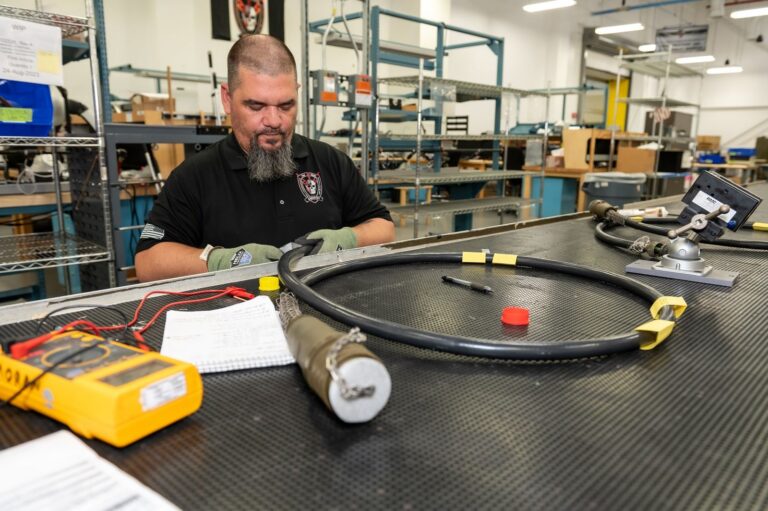

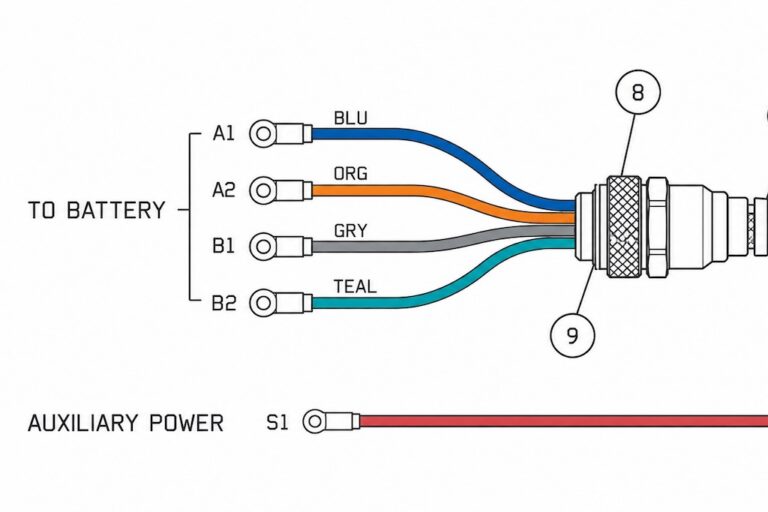
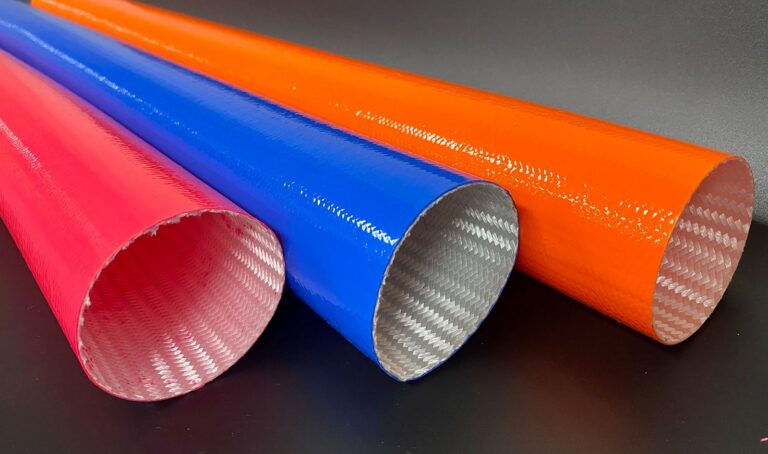
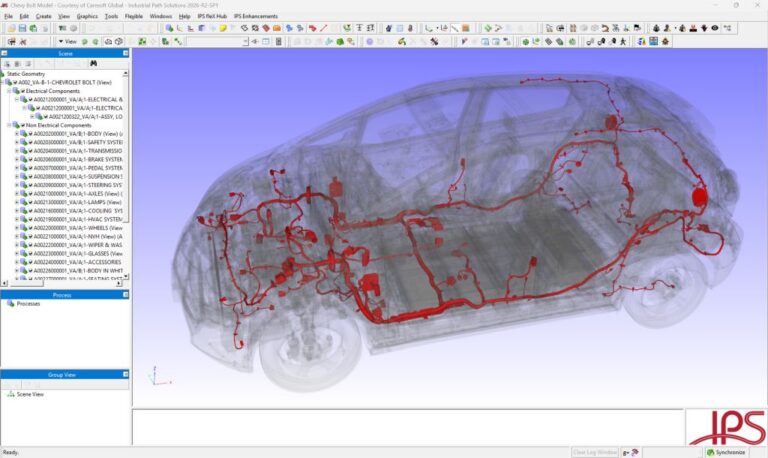







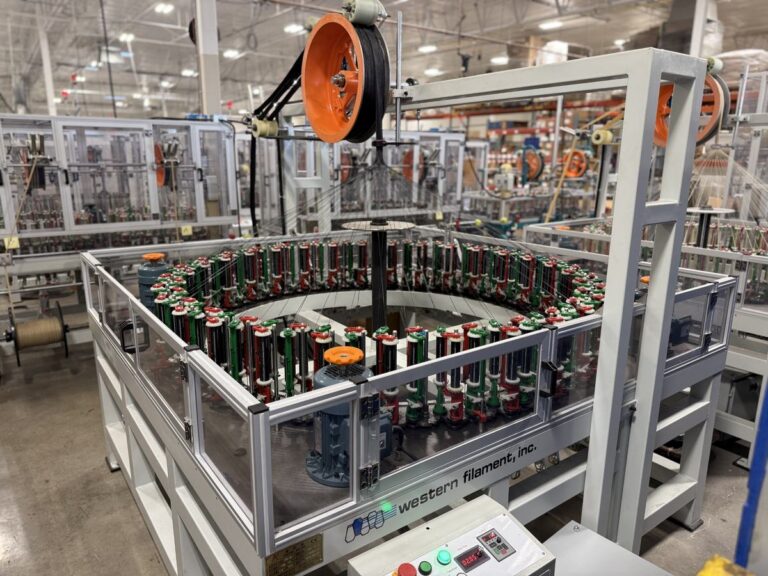






Anyone working around robotics, CNC machines, or automated equipment knows that cables rarely live easy lives. Constant motion, vibration, and exposure to oils or coolants can wear through protection quickly if the conduit system is not chosen carefully. In industrial automation environments, conduit is not just a routing accessory. It plays a major role in protecting wiring and maintaining long-term reliability.
One of the biggest challenges is motion. Robotic systems and automated machinery often involve continuous flexing. Over time, repeated movement creates mechanical stress that can cause cracking, abrasion, or failure in poorly matched conduit systems. Add vibration, debris, and occasional contact with machine components, and the need for durable protection becomes obvious.
Environmental exposure is another factor that engineers must consider. Many automation environments involve oils, coolants, cleaning chemicals, and washdown procedures. These conditions demand conduit materials that can resist chemical attack while still maintaining flexibility. Temperature extremes can also be an issue, especially in outdoor installations or refrigerated facilities.
Material selection therefore becomes one of the first decisions in specifying a conduit system. Impact strength, chemical resistance, and temperature performance all need to match the operating environment. A conduit that performs well in a static control cabinet may fail quickly when exposed to high motion or aggressive chemicals on the factory floor.
Flexibility is equally important. Automation equipment often requires tight bend radii and compact routing through crowded machinery or control panels. Conduit systems designed specifically for motion applications typically offer improved flexibility and reduced minimum bend radius, helping prevent stress on both the conduit and the cables inside it.
Ingress protection ratings should also be evaluated early in the design process. Dust, moisture, and washdown exposure can compromise wiring systems if the conduit and fittings do not provide adequate sealing. Matching the IP rating of the conduit system to the operating environment helps maintain long-term protection.
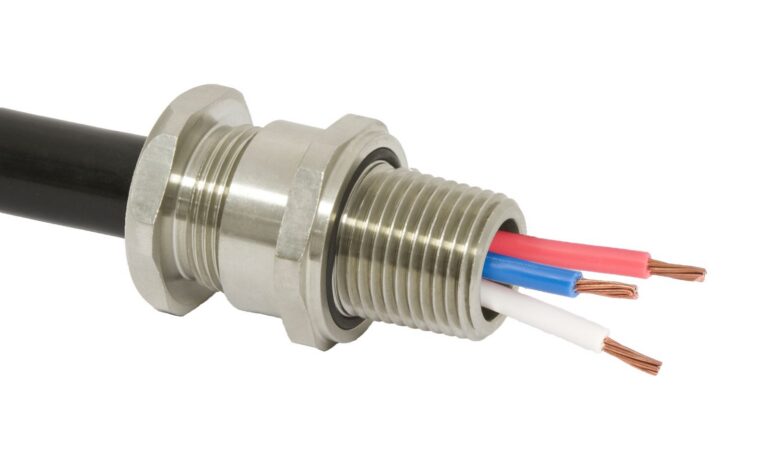
Installation efficiency is another practical consideration. Quick-connect conduit fittings have become increasingly popular because they simplify assembly and reduce installation time. Many designs use integrated locking mechanisms that allow the conduit to be pushed into place without special tools. A release ring then allows fast removal during maintenance or system changes.
Thread compatibility can also streamline installation. Fittings offered in NPT, metric, PG, and UNEF thread options allow direct connections to many types of automation equipment without additional adapters.
Beyond installation, durability is critical. Abrasion-resistant conduit walls help extend service life in high-motion systems. Some multi-layer conduit designs even incorporate visual wear indicators that make it easier to spot damage before it leads to failure.
In the end, selecting the right conduit system comes down to understanding the application. Motion requirements, environmental exposure, available space, and installation needs all play a role. When these factors are considered early in the design process, engineers can significantly improve the reliability and longevity of automation wiring systems.
For more information about flexible conduit and connectivity solutions for industrial automation, robotics, and machine construction, contact IBIS Electro-Products Corp. at ibisep.com or visit ibisep.com/resources for additional technical information.