











By Brian Betti, LPMS USA
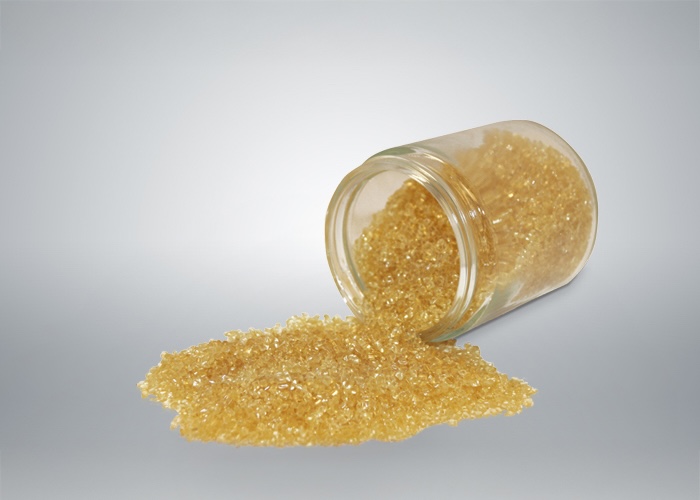
In low pressure molding (LPM), the equipment often receives the most attention, while it’s the molding material itself that is usually the most important factor in whether an application performs reliably in the field.
For wire harnesses, sensors, connectors, and electronic assemblies, material selection directly impacts adhesion, moisture resistance, strain relief, vibration durability, cycle time, processing temperature, IP rating capability, and overall long-term reliability. As electronics continue moving into harsher environments, understanding the relationship between material properties and application requirements has become increasingly critical.
Low pressure molding materials are not simply protective coverings. The material must protect against moisture ingress, absorb vibration, provide mechanical strain relief, maintain adhesion over time, and process safely around delicate components. Because of this, material selection should occur early in the development process rather than after tooling and equipment decisions have already been finalized.
Not One-Size-Fits-All
One of the biggest misconceptions about low pressure molding is that material selection is universal across applications. In reality, the ideal material for an automotive sensor may be entirely different from the best option for a wearable medical device, industrial control system, or outdoor lighting assembly. Environmental exposure, mechanical stress, substrate compatibility, and regulatory requirements all influence the choice of material.
Automotive and transportation applications often require materials capable of withstanding vibration, thermal cycling, exposure to moisture, and long-term mechanical stress. In these environments, maintaining adhesion over time is critical, especially around cable exit points and connectors, where strain relief is essential to prevent failure. Materials used in industrial automation and factory environments may additionally need strong chemical resistance and durability under continuous operating conditions.
Outdoor electronics introduces another set of challenges. UV exposure, moisture ingress, temperature fluctuations, and environmental contaminants can all impact long-term reliability. In these applications, material flexibility and adhesion stability become especially important to maintaining environmental seals and achieving desired IP ratings over time. A material that initially performs well may still fail prematurely if it becomes brittle, loses adhesion, or experiences dimensional instability after prolonged exposure.
Medical electronics and wearable devices require an entirely different approach to material selection. Compact designs, skin-contact considerations, and flexible cable management often influence both the material’s mechanical and processing requirements. In many cases, manufacturers seek materials tested to ISO 10993 biocompatibility protocols for medical-related applications. The material must not only protect sensitive electronics but also support lightweight, ergonomic product designs that can withstand daily use.
The Details That Determine Reliability
Adhesion remains one of the most critical and often misunderstood aspects of low pressure molding material selection. Many manufacturers assume that if a material adheres well to one cable or connector, it will perform similarly across all substrates. In reality, adhesion performance can vary significantly depending on the substrate composition, surface energy, environmental exposure, and processing conditions.
Surface preparation also plays an important role in achieving reliable adhesion performance. Even the best material selection can be compromised if the bonding surface is contaminated with oils, dust, mold-release residue, or other environmental debris. A simple way to think about it is that materials bond better to clean surfaces than dirty ones. Proper surface preparation and cleanliness can significantly improve bond strength and consistency, particularly in applications where long-term environmental sealing and reliability are critical.
Processing characteristics are equally important. One of the primary advantages of low pressure molding is the ability to encapsulate sensitive electronics using relatively low injection pressures and controlled processing temperatures. However, material viscosity, melt behavior, cooling characteristics, and flow performance vary significantly between formulations and directly impact manufacturing consistency and cycle time.
Selecting the proper material can improve mold fill consistency, reduce stress on delicate components, and support faster production cycles. Materials with poor flow characteristics may create voids, inconsistent encapsulation, or unnecessary thermal exposure to sensitive circuitry. For manufacturers seeking both production efficiency and long-term reliability, understanding these processing characteristics is critical.
Color selection is another factor that is frequently overlooked during material evaluation but can significantly influence both product functionality and appearance. In many applications, the end-use environment determines which material colors are practical or even possible.
For example, black materials are commonly selected for industrial, automotive, and outdoor applications because they help conceal internal electronics, provide a clean cosmetic appearance, and often support UV stability. However, some applications require lighter or translucent materials to allow visibility of LEDs, indicators, or internal component alignment. In medical or consumer-facing products, lighter colors may be preferred for aesthetic or cleanliness considerations.
Color can also impact inspection processes, branding requirements, heat absorption, and even light transmission. In decorative or illuminated electronic applications, manufacturers may intentionally select translucent materials to allow LEDs to remain visible through the molded encapsulation while still protecting the internal circuitry. In contrast, other applications may prioritize complete concealment of internal electronics for cosmetic or intellectual property reasons.
Ultimately, successful low pressure molding implementation requires more than simply selecting a machine or material in isolation. Material behavior directly influences tooling design, gate placement, venting strategy, cycle time, adhesion performance, environmental sealing, and long-term reliability. The best results occur when equipment, tooling, and materials are engineered together as a complete system.
As low-pressure molding adoption continues, material expertise will increasingly distinguish successful applications from costly failures. In low-pressure molding, the material is not merely part of the process; it defines the reliability.