






When Evan Kalchbrenner graduated from Colorado State University in 2010, he approached an old family friend about the possibility of a job. Joe Benjamin had known Evan since he was a boy and had employed him during summer breaks at his established business manufacturing foot pedals and electronic controls for industrial equipment. Evan figured there might be an opportunity to return to the company in a more permanent capacity.
Joe had something considerably more ambitious in mind, however. He had been considering expanding into wire harness manufacturing, a natural extension of the electrical assemblies already being produced for his industrial control products. He proposed that the two start a new company together. Joe would provide the financial backing, Evan would contribute the sweat equity, and they would be equal partners.
At 22 years old, Evan had relatively little to lose and a great deal to learn. Joe figured that even if the venture failed, Evan would come away with valuable entrepreneurial experience. Fortunately, things worked out much better than that.
The partners also needed a name for their new enterprise. Joe wanted Evan to feel a genuine sense of ownership, so they settled on Foster Electrical Assembly, borrowing Foster from Evan’s middle name. It was a fitting choice for a company that would ultimately become a substantial part of Evan’s professional life.
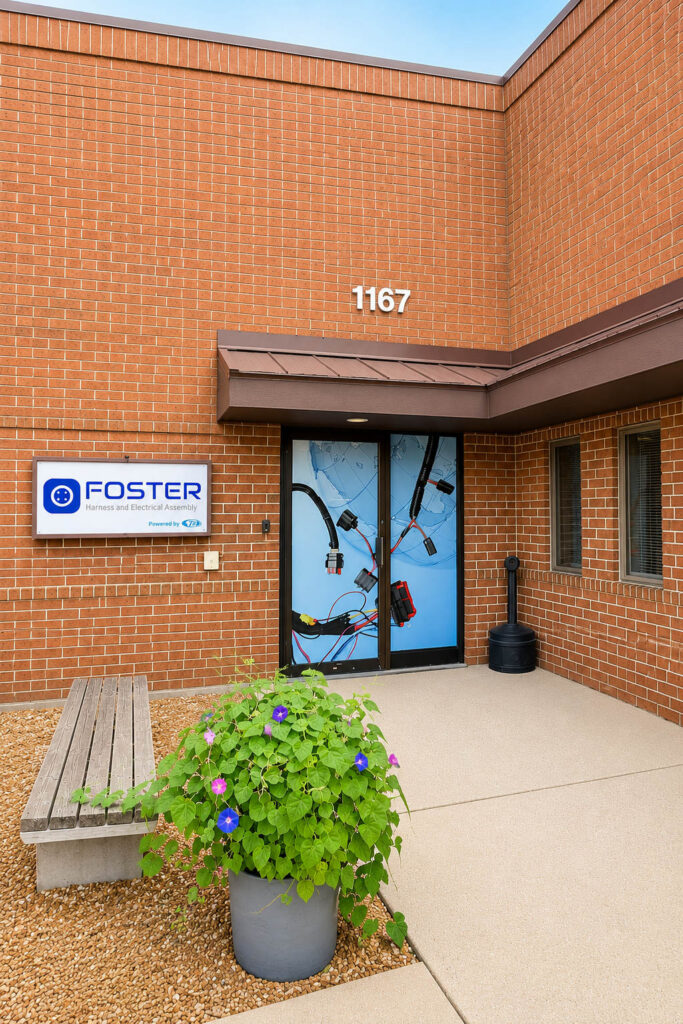
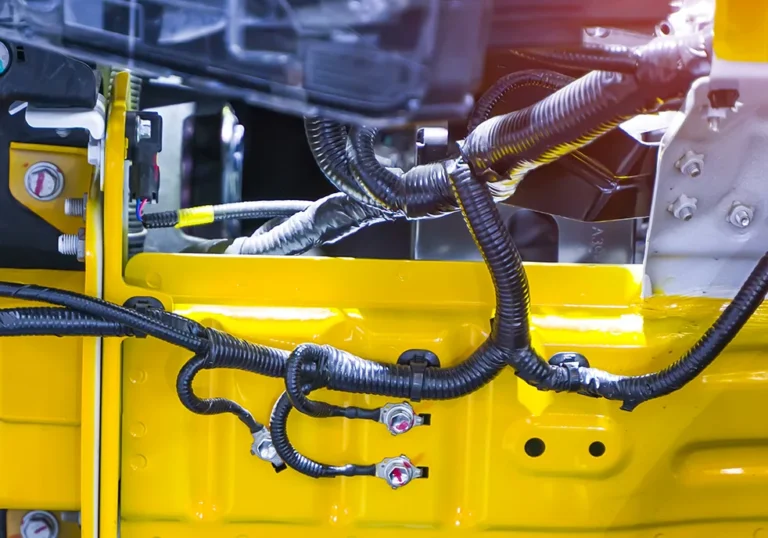
Sixteen years later, Foster Electrical Assembly has developed into a growing wire harness manufacturer serving major original equipment manufacturers. Operating from Villa Park, Illinois, the company combines domestic production with an international manufacturing partnership, allowing it to serve customers with a broad range of requirements.
Finding a Place in the Industry
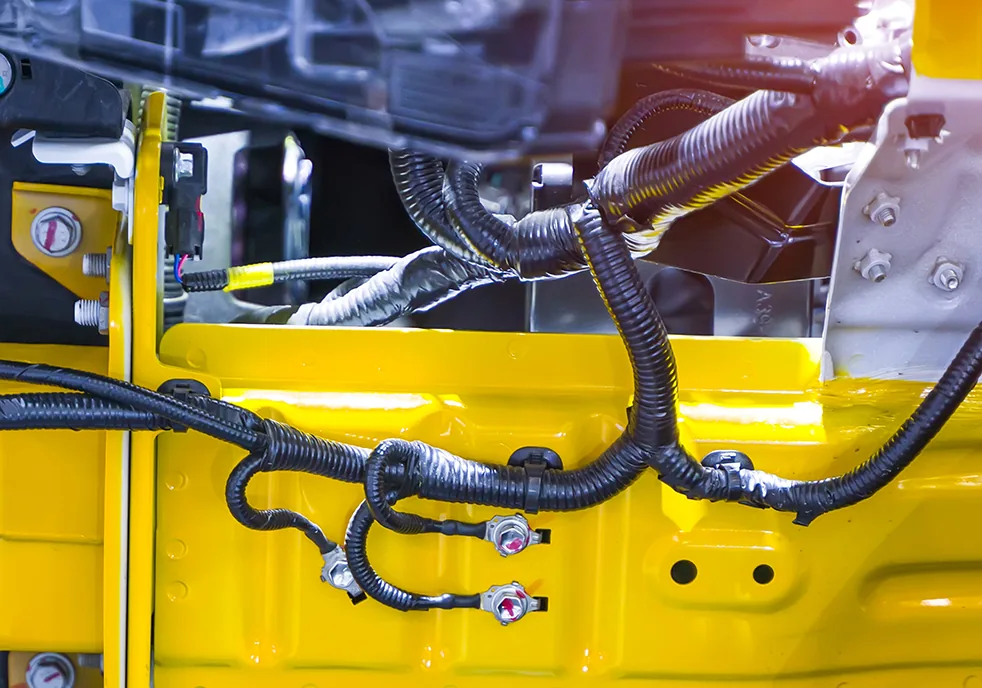
Foster’s first customer was Joe’s industrial controls business, which manufactured foot pedals and related electronic controls for forklifts, sweepers, construction equipment, and other machinery. Many required auxiliary wiring harnesses to connect the controls to the equipment’s electrical systems. Evan had already assembled some of those harnesses during his college summers, giving the new company an established customer and a familiar product.
Additional business came from customers in similar industries. Growth was initially modest as Evan learned the intricacies of running a manufacturing operation. The company expanded carefully, reinvesting earnings and developing relationships with customers whose requirements matched its capabilities. As the operation matured, Joe placed greater emphasis on growth, bringing in additional leadership and pursuing new markets.
Today, Foster serves manufacturers in material handling, agriculture, industrial engines, generators, lighting, and other specialized applications. Off-highway equipment remains particularly important, with material handling accounting for a substantial portion of its business.
According to Evan, now Foster’s general manager, these industries are particularly well suited to the company’s manufacturing model. Equipment manufacturers offer optional features such as sensors, heated seats, and other accessories that require additional wiring. Changing configurations create demand for specialized harnesses that can be produced quickly, often in relatively small quantities.
The same applies to equipment requiring aftermarket modifications or upgrades. While such orders may not attract the attention of a large, high-volume manufacturer, they are precisely the business Foster has built its operation to accommodate.
Two Manufacturing Models, One Supplier
One of Foster’s more distinctive capabilities is its relationship with an established Asian wire harness manufacturer. The arrangement allows Foster to supply smaller, high-mix assemblies manufactured in Illinois alongside larger, more complicated harnesses produced overseas.
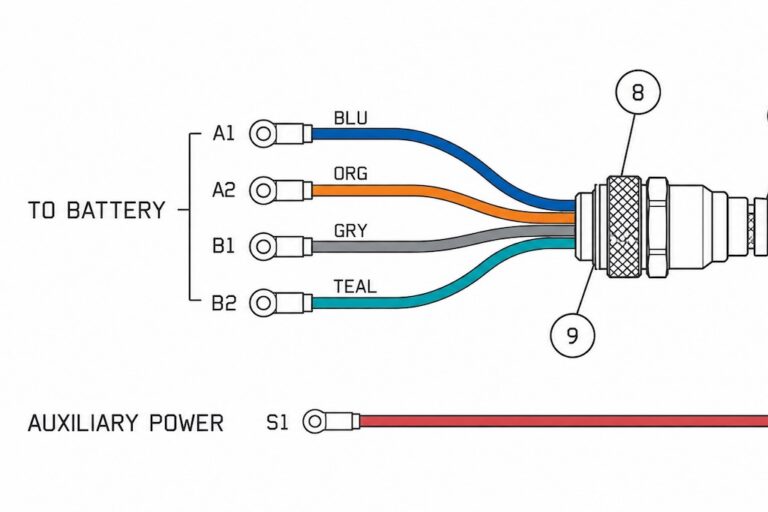
Foster might manufacture the horn, telematics, backup alarm, and other auxiliary harnesses at its Villa Park facility while sourcing a complex chassis or engine harness through its international partner. Customers can work through Foster for both, simplifying purchasing while maintaining a domestic point of contact for technical assistance, modifications, and warranty support.
The overseas partner is based in Taiwan and operates manufacturing facilities in China and Thailand. According to Joe, it has extensive experience supplying automotive and motorcycle manufacturers, along with considerable automation, production capacity, and quality-control expertise.
Manufacturing location generally depends on an assembly’s complexity and labor content. High-mix, lower-volume products requiring frequent changes and quick turnaround are natural candidates for Villa Park. More labor-intensive harnesses produced in substantial quantities may be better suited to overseas manufacturing.
Evan emphasizes that most of Foster’s business, including the majority of its individual part numbers, is manufactured domestically.
“Our biggest advantage is our flexibility and our ability to respond quickly to customers’ needs,” Evan said when asked what distinguishes Foster from its competitors.
By manufacturing smaller, high-mix harnesses in Villa Park, Foster can respond quickly when an OEM needs an unexpected quantity, a design modification, or a replacement assembly. For larger harnesses produced overseas, Foster serves as the customer’s domestic point of contact. Rather than dealing directly with a distant factory, the OEM can draw from inventory maintained in Illinois, arrange shipments according to its production schedule, and have Foster address warranty issues or make modifications when engineering revisions are introduced.
Although Foster is well suited to low-volume manufacturing, it is not primarily a prototype shop. Its preferred customers are established OEMs with continuing production or aftermarket requirements, even when individual part numbers are ordered in relatively small quantities.
Building the Operation
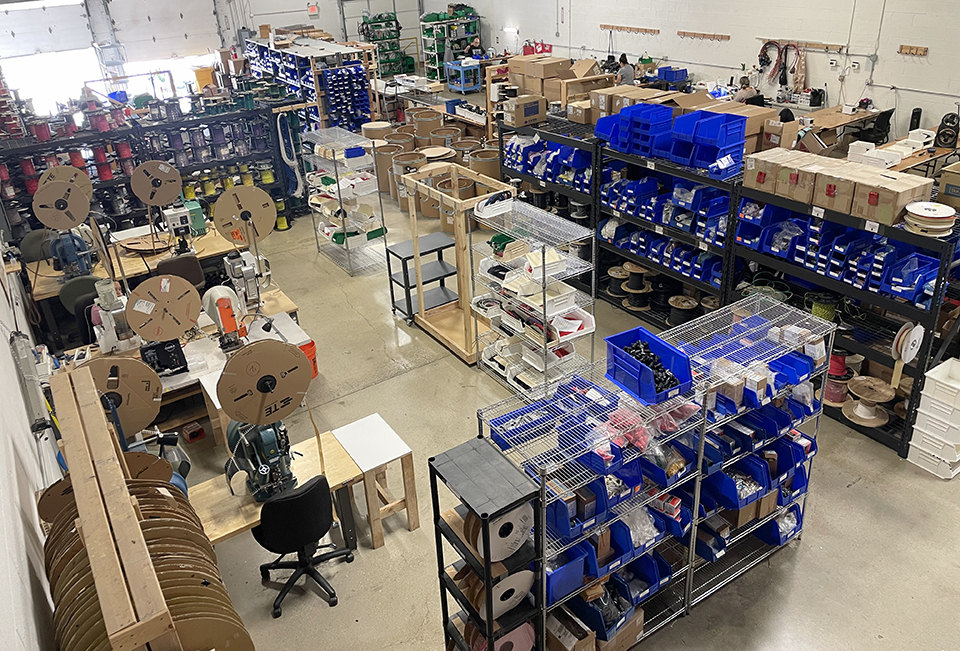
Foster’s physical expansion reflects its growth. When it moved into its current Villa Park location several years ago, the operation occupied approximately 6,500 square feet. An adjoining suite subsequently became available, allowing the company to expand to roughly 13,500 square feet.
A third adjoining space is scheduled to bring the operation to approximately 20,000 square feet beginning in November 2026. The company employs approximately 28 people, with additional hiring anticipated.
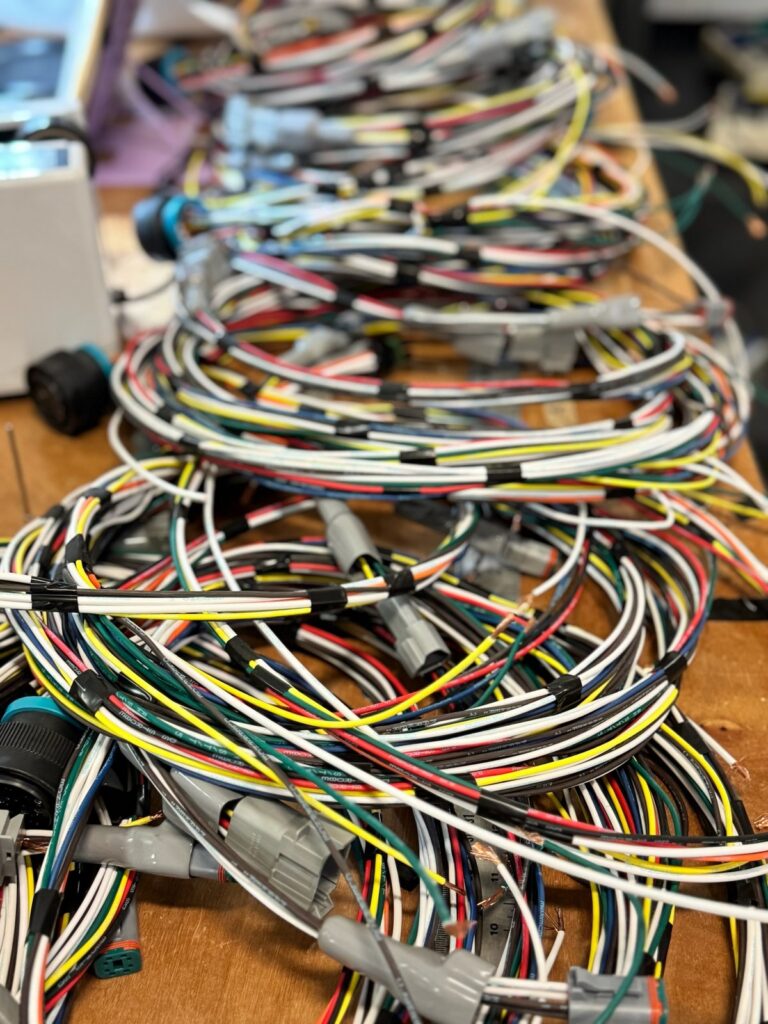
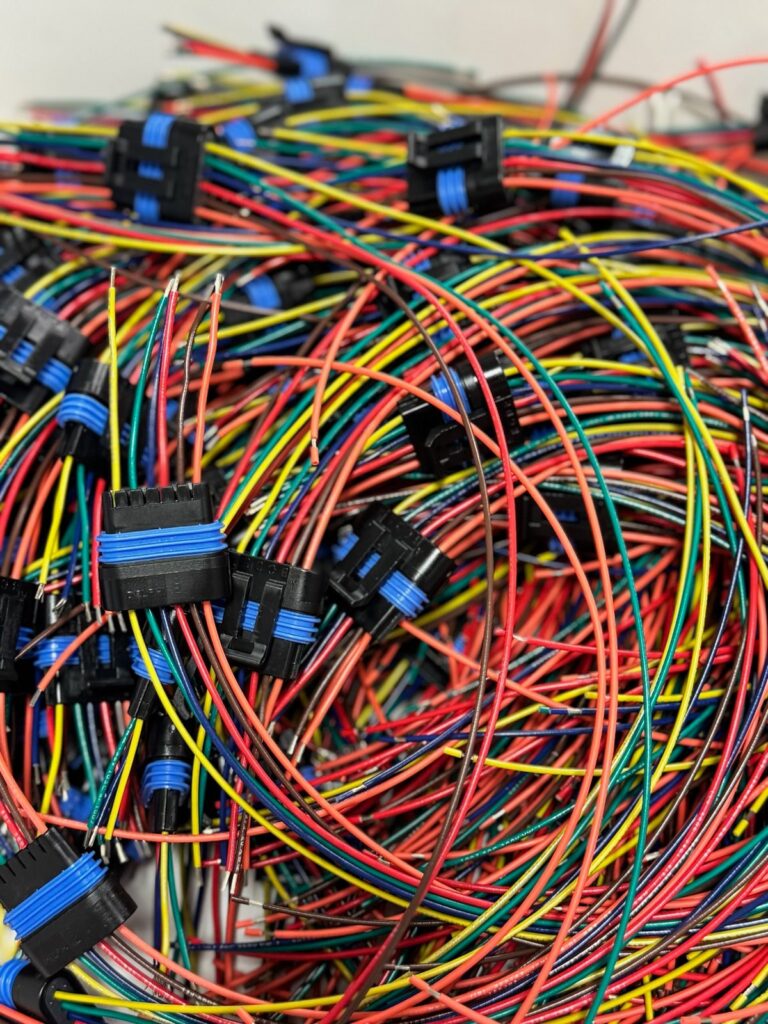
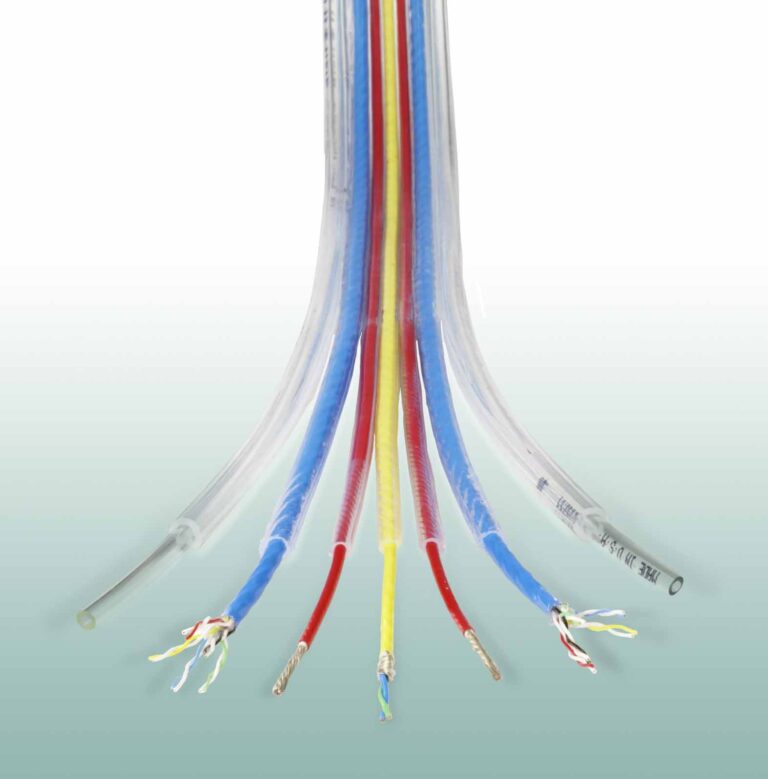
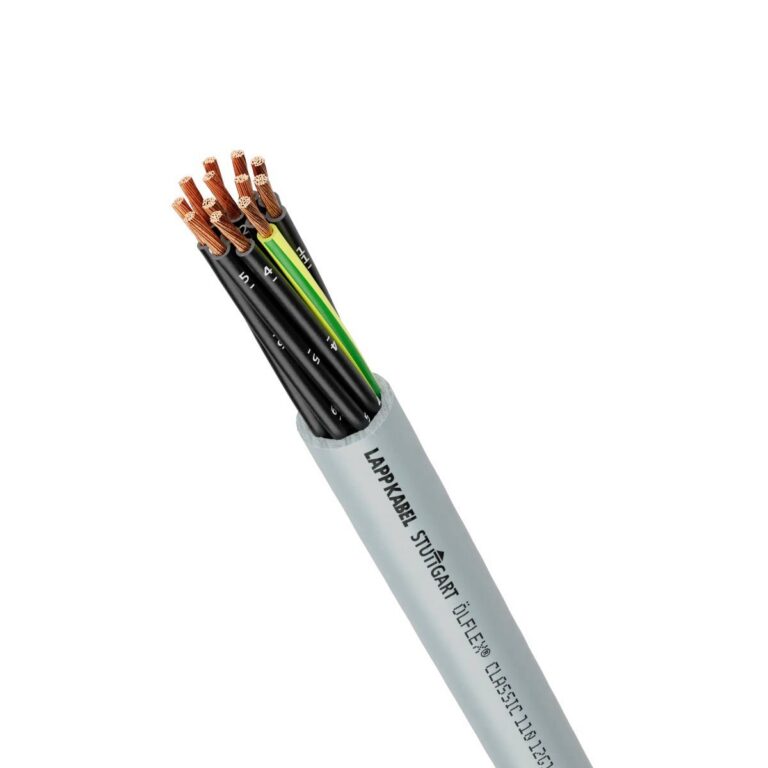
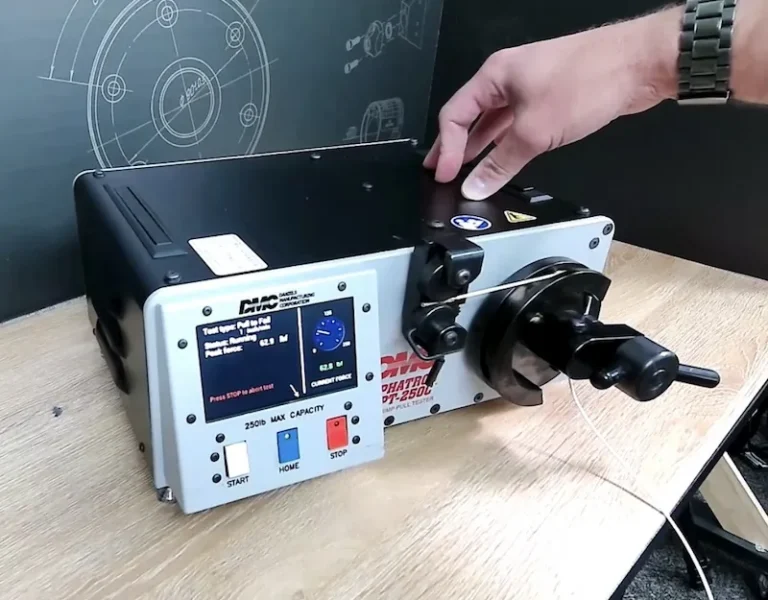
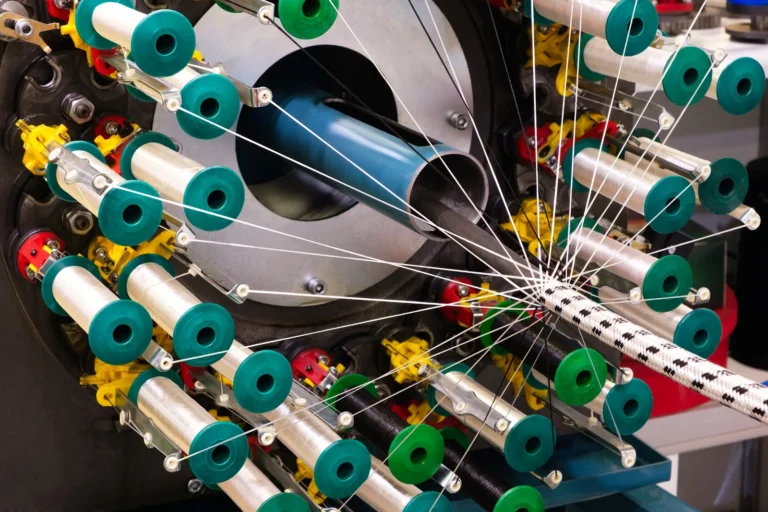
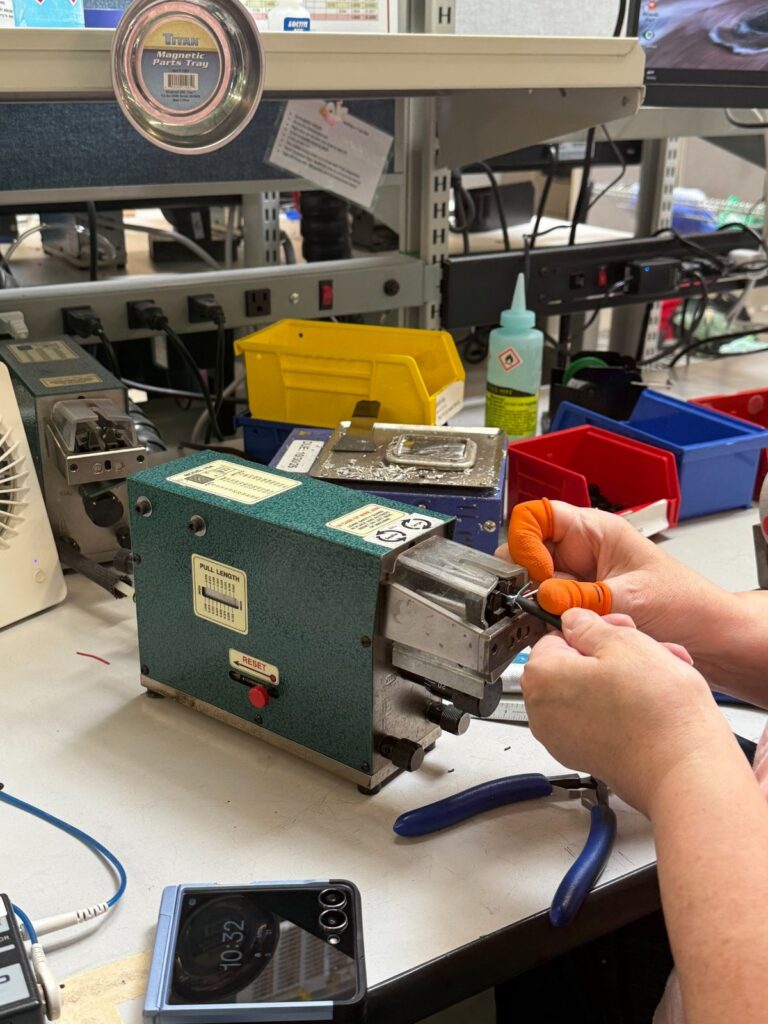
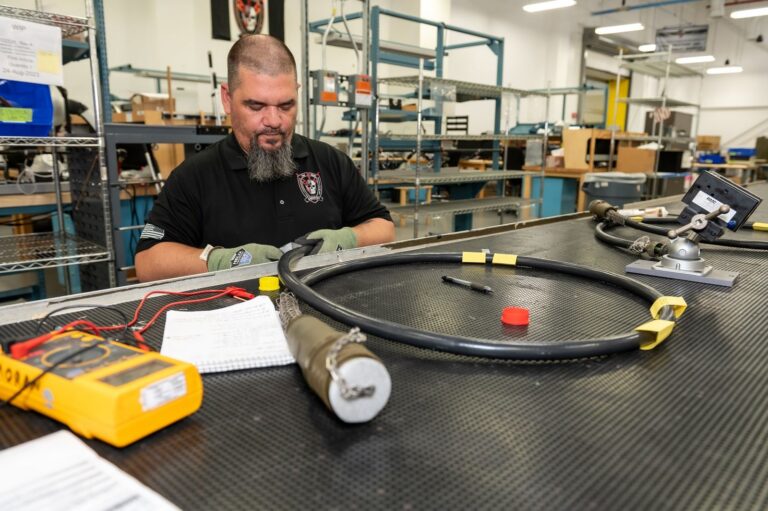
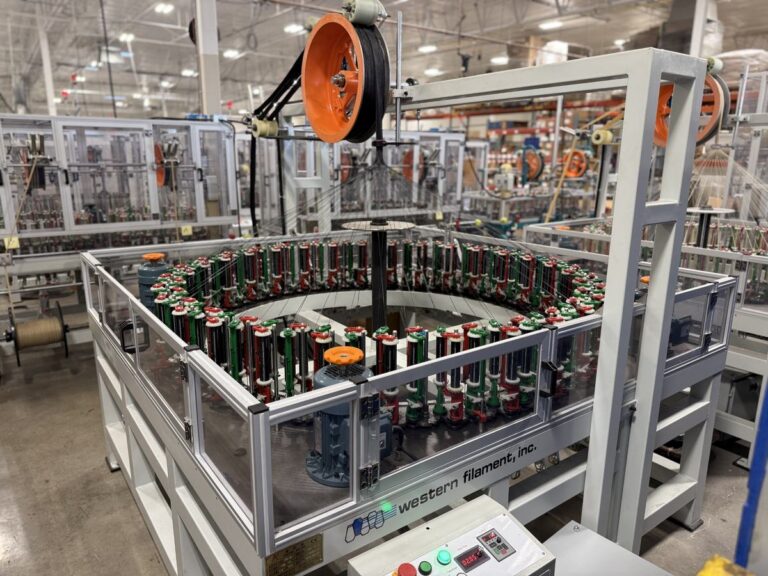
Foster’s capabilities include automated wire processing and crimping, ultrasonic welding, electrical testing, and other harness assembly operations. The company is also developing machine-braiding capabilities in response to customer requirements.
Evan acknowledges that customers frequently suggest additional manufacturing services, but Foster has generally resisted moving too far beyond its core expertise. Machine braiding fits naturally into its existing operation, while processes involving substantially different manufacturing disciplines, such as overmolding, require more careful consideration.
Quality control has become increasingly important as Foster has taken on more demanding OEM work. Evan points to process documentation, serial-number identification, and production traceability as important elements of its approach.
Foster performs continuity testing and maintains production records identifying manufacturing batches, critical process checkpoints, and inspection results. Reference assemblies, or “known good” samples, help operators maintain consistency.
The company has achieved ISO 9001 certification and maintains UL certification, credentials Foster considers essential for pursuing larger OEM customers.
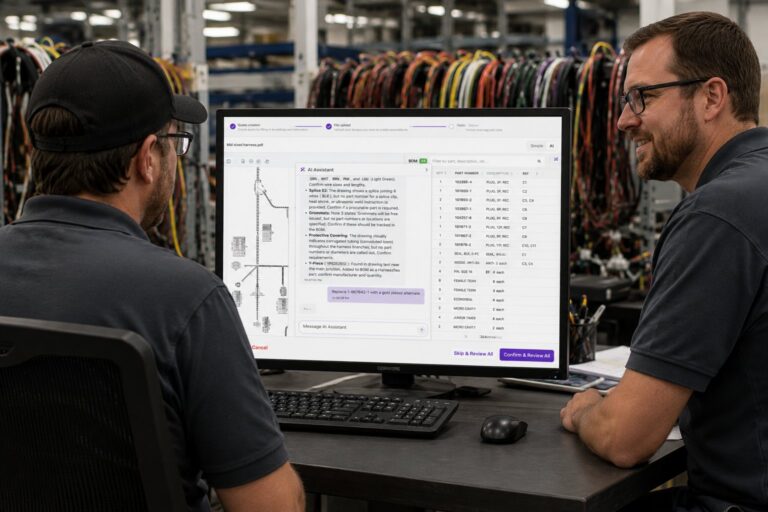
Foster is also improving its business systems. The company has contracted for specialized quoting software to manage a growing volume of RFQs and is evaluating an enterprise resource planning system to improve purchasing, inventory management, and production planning.
It has implemented the Entrepreneurial Operating System, or EOS, incorporating regular management meetings, performance measurements, and defined objectives. These changes are helping Foster establish the structure needed to support continued expansion.
Engineering Support Becomes Part of the Job
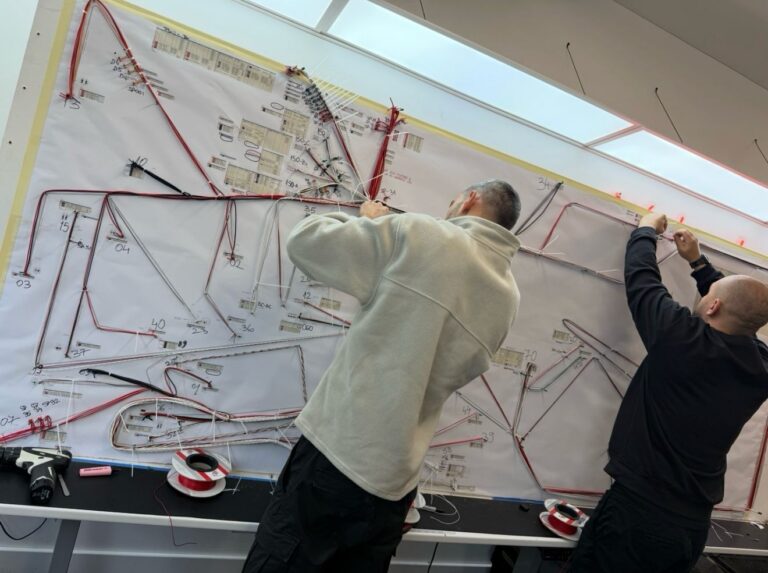
The quality of engineering information Foster receives varies considerably. Some OEMs provide complete packages with detailed drawings, schematics, and bills of materials. Others have incomplete documentation or simply provide an existing harness and ask Foster to reverse engineer it. The company must be prepared to work with whatever information is available, sometimes developing the manufacturing documentation from scratch.
Smaller OEMs frequently need help formalizing designs and making assemblies more practical to manufacture. Larger manufacturers may require assistance updating legacy harnesses when original components become obsolete or documentation no longer reflects current manufacturing practices.
The People Behind the Production
Foster places considerable importance on the people operating the equipment and assembling the harnesses.
Evan describes the Villa Park operation as a clean, organized environment that appeals to employees who enjoy working with their hands. The high-mix production model introduces variety, allowing operators to work on different assemblies and develop additional skills.
Foster has been formalizing its employee training as the company grows. Training materials incorporate guidance from IPC/WHMA-A-620, including visual examples of acceptable and unacceptable workmanship. Reference materials are available in English and Spanish, with experienced employees providing additional hands-on instruction.
A training matrix documents employee capabilities, while skills-based compensation encourages workers to broaden their knowledge. Foster also holds quarterly employee meetings to recognize employee contributions and keep the workforce informed about company developments.
Several employees have been with Foster since its early years, something that impressed Magdalena Wrobel and Karolina Bukowski of iMIND Strategies LLC, the company’s outside marketing firm. Magdalena noted that employees who joined during Foster’s earliest stages have remained and assumed greater responsibilities as the business expanded.
Relationships That Make a Difference
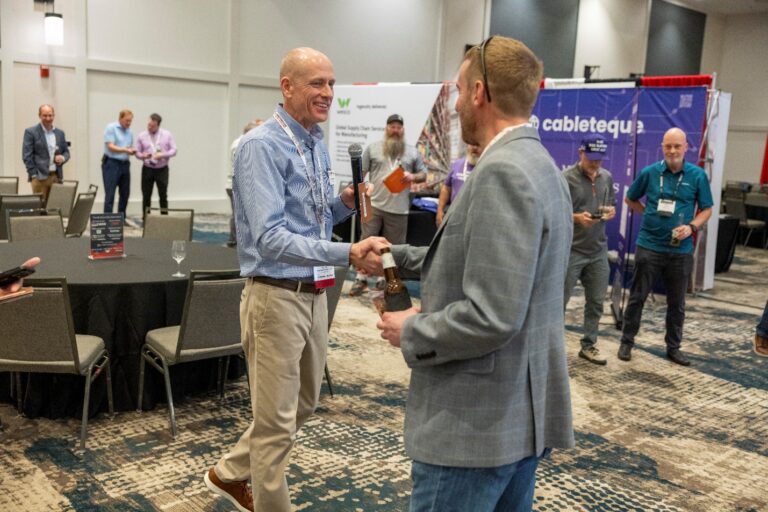
Foster’s emphasis on customer relationships received recognition in 2023 when Mitsubishi Logisnext Americas presented the company with a supplier award.
According to Evan, the recognition was based primarily on customer service and responsiveness. At the awards ceremony, representatives highlighted Foster’s willingness to accommodate changes, respond to difficult requests, and work through problems.
Foster has also enlisted the help of iMIND Strategies, an outside marketing firm, to reach customers beyond its traditional markets. Magdalena and Karolina have worked with the company to strengthen its online presence, develop marketing materials, and increase its visibility at industry events.
Magdalena describes Foster’s approach to customer relationships as one that looks beyond immediate orders. The emphasis is on understanding where customers’ businesses may be headed five or ten years from now and developing partnerships that can grow alongside them.
The Next Opportunity
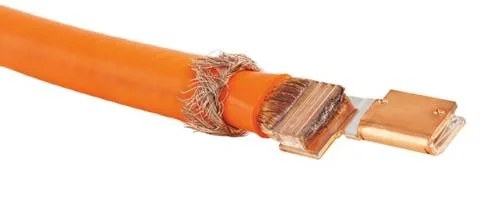
Foster sees opportunities associated with electrification, particularly in the equipment markets it already serves. As manufacturers introduce more electrically powered forklifts, agricultural machinery, and other off-highway equipment, demand for battery cables and associated assemblies is expected to grow.
Evan believes battery cable manufacturing is particularly attractive for domestic producers because its economics differ from those of conventional labor-intensive harness assembly.
Battery cables are relatively heavy, making international shipping an important cost consideration. Many manufacturing operations can also be automated, reducing the labor-cost advantage of overseas production. Tariffs on imported copper products add another consideration.
Foster is interested in expanding its ability to manufacture more complicated harnesses domestically, and continue Foster’s international partnership for large main harnesses. The objective is to increase the range of work that can be handled efficiently in Villa Park.
Those ambitions are considerably greater than envisioned when the company formed in 2010. What began as an opportunity to supply auxiliary harnesses to an established industrial controls manufacturer has developed into an operation serving major OEMs across multiple industries.
Evan, who has spent his entire professional career helping build Foster, remains fully involved in running the daily operations and continues to contribute the industry relationships and commercial experience that have helped the company expand. Sixteen years after Evan approached Joe looking for a job, the company they started has grown well beyond its original purpose. And with new manufacturing capabilities, additional space, and opportunities emerging in electrification and other markets, Foster appears to have considerably more growing to do.