










The wire harness industry does not operate in isolation. From materials selection and termination methods to testing, safety, and compliance, harness manufacturers and OEMs are influenced by a broad ecosystem of trade associations, standards bodies, laboratories, and technical institutes. The intent of this article is to introduce readers to a wide-ranging list of organizations that may be relevant to contract manufacturers of wire harnesses, panel builders, and OEMs that design and produce their own electromechanical assemblies.
Active engagement with these organizations provides more than just access to standards documents. Membership often opens the door to networking with peers and customers, early visibility into emerging trends, and opportunities to participate on technical committees that shape future requirements. Some organizations span multiple industries, while others are highly focused on specific markets such as automotive, aerospace, medical, transportation, or industrial automation. For harness manufacturers, involvement can be both a strategic advantage and a practical necessity in staying aligned with evolving technical, regulatory, and quality expectations.
What follows is a reference-style overview of key organizations and why each may matter to wire harness and electromechanical assembly producers.
General Wire Harness and Electronics Manufacturing Organizations
WHMA – Wire Harness Manufacturers Association
WHMA is the leading trade association dedicated specifically to the wire harness manufacturing industry. It serves contract manufacturers, OEMs, and suppliers through education, industry standards, and advocacy.
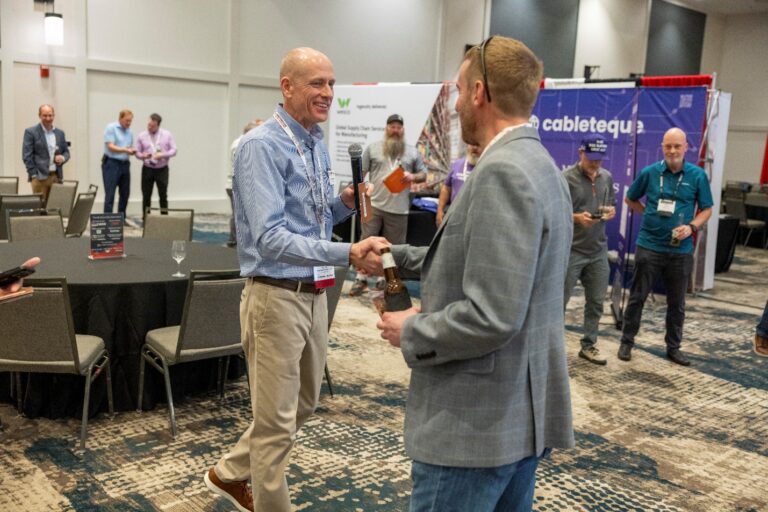
For harness manufacturers, WHMA is particularly valuable for its strong peer-to-peer networking environment and its emphasis on mentorship—both learning from experienced industry leaders and mentoring the next generation. Participation in WHMA committees and events provides direct influence on best practices and industry guidance.
Learn more at https://www.whma.org
Global Electronics Association (formerly IPC)
The Global Electronics Association, formerly known as IPC, is a global organization focused on standards, education, and advocacy for the electronics manufacturing industry. Its scope spans PCB design and assembly, electronic assemblies, and wire harness manufacturing.
For harness manufacturers, IPC standards are foundational. Most notably, IPC/WHMA-A-620E defines acceptability requirements for cable and wire harness assemblies. Additional relevant standards include IPC J-STD-001J for soldered electrical and electronic assemblies and IPC-A-610 for acceptability of electronic assemblies. These documents are widely referenced by OEMs across automotive, aerospace, industrial, and medical sectors.
Learn more at https://www.electronics.org
Safety, Certification, and Electrical Codes
UL – Underwriters Laboratories
UL is a global safety science organization that develops standards and performs testing and certification for products, systems, and components. Its work spans electrical, electronic, and mechanical applications.
For harness and panel builders, UL standards and certifications are often required by customers or regulatory authorities. Examples include UL 508A for industrial control panels and various UL component standards covering wire, cable, and connectors. Compliance can be essential for market access in industrial and commercial applications.
Learn more at https://www.ul.com
CSA – Canadian Standards Association
CSA Group develops standards and provides testing and certification services, with strong influence in Canada and international recognition.
Harness manufacturers serving Canadian or North American markets may encounter CSA standards as alternatives or complements to UL requirements, particularly for electrical safety and industrial equipment.
Learn more at https://www.csagroup.org
NFPA – National Fire Protection Association
NFPA develops codes and standards related to fire safety and electrical systems.
Harness and panel builders frequently encounter NFPA 70 (National Electrical Code) and related standards, particularly in industrial and commercial installations.
Learn more at https://www.nfpa.org
ANSI – American National Standards Institute
ANSI oversees the development and coordination of voluntary consensus standards in the United States.
While ANSI does not typically write technical standards itself, many wire, cable, and electrical standards are ANSI-accredited. Awareness of ANSI frameworks helps manufacturers understand how standards are developed and recognized.
Learn more at https://www.ansi.org
IEC – International Electrotechnical Commission
IEC develops international standards for electrical and electronic technologies.
Harness manufacturers serving global markets often encounter IEC standards governing wire, cable, connectors, and safety requirements, particularly outside North America.
Learn more at https://www.iec.ch
Industrial Equipment, Control Systems, and Automation
NEMA – National Electrical Manufacturers Association
NEMA represents manufacturers of electrical equipment and develops standards related to enclosures, components, and systems.
If you are producing harnesses or assemblies used in industrial equipment, control systems, or electrical enclosures, NEMA standards often define environmental and performance expectations.
Learn more at https://www.nema.org
ISA – International Society of Automation
ISA focuses on automation, control systems, and instrumentation across industrial markets.
Harness manufacturers supporting industrial automation, process control, and instrumentation applications may find ISA standards and training directly applicable.
Learn more at https://www.isa.org
Automotive, Commercial Vehicle, and Transportation
SAE – Society of Automotive Engineers
SAE develops technical standards and recommended practices for automotive, aerospace, and commercial vehicle industries.
Harness manufacturers serving automotive or transportation markets frequently reference SAE standards covering wire, cable, connectors, and environmental testing.
Learn more at https://www.sae.org
NTEA – The Work Truck Association
NTEA represents manufacturers and suppliers serving the commercial work truck and fleet vehicle market.
If you are building harnesses for specialty vehicles, fleet upfits, or vocational trucks, NTEA provides market insight and technical guidance relevant to that sector.
Learn more at https://www.ntea.com
SEMA – Specialty Equipment Manufacturers Association
SEMA focuses on the automotive aftermarket, including performance, customization, and specialty vehicle equipment.
Harness manufacturers supporting aftermarket automotive products may benefit from SEMA’s industry advocacy and technical resources.
Learn more at https://www.sema.org
RSI – Railway Supply Institute
RSI represents suppliers to the rail transportation industry.
If you are producing harnesses for rail vehicles, signaling systems, or infrastructure, RSI provides industry alignment and advocacy relevant to that market.
Learn more at https://www.rsiweb.org
AIA – Aerospace Industries Association
AIA represents aerospace and defense manufacturers and suppliers in the United States.
Harness manufacturers serving aerospace and defense markets must align with stringent quality, traceability, and performance standards influenced by AIA members and initiatives.
Learn more at https://www.aia-aerospace.org
Medical Device Industry
AdvaMed – Advanced Medical Technology Association
AdvaMed represents medical device manufacturers and promotes innovation and regulatory alignment.
If you are building harnesses for medical devices, AdvaMed provides insight into regulatory trends, quality expectations, and industry best practices.
Learn more at https://www.advamed.org
MDMA – Medical Device Manufacturers Association
MDMA focuses on policy, compliance, and advocacy for medical device companies, particularly small and mid-sized firms.
Harness manufacturers supporting medical OEMs may benefit from understanding MDMA-driven regulatory priorities and compliance expectations.
Learn more at https://www.medicaldevices.org
Data, Communications, and Electronics Infrastructure
IEEE – Institute of Electrical and Electronics Engineers
IEEE is a global organization advancing technology through standards development, research, and professional education.
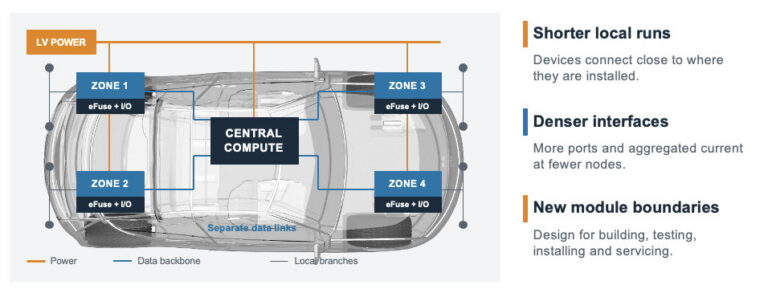
Harness manufacturers involved in power distribution, data transmission, or emerging electrical architectures may encounter IEEE standards related to electrical performance, reliability, and safety.
Learn more at https://www.ieee.org
TIA – Telecommunications Industry Association
TIA develops standards for telecommunications infrastructure, cabling, and connectivity.
If you are building harnesses or cable assemblies for data and communications systems, TIA standards define performance and interoperability expectations.
Learn more at https://tiaonline.org
EIA – Electronic Industries Association
EIA supports manufacturers and suppliers across the electronics value chain.
Harness manufacturers involved in electronic assemblies and interconnect systems may encounter EIA-driven initiatives and industry guidance.
Learn more at https://www.ecianow.org
Public Infrastructure and Safety Systems
International Municipal Signal Association (IMSA)
IMSA focuses on standards, training, and certification related to public safety infrastructure, including traffic signals, roadway lighting, and communication systems.
If you are building harnesses for traffic control systems, roadway equipment, or municipal infrastructure, IMSA standards and certifications may be directly applicable.
Learn more at https://www.imsasafety.org
Materials, Testing, and Measurement Foundations
ASTM – American Society for Testing and Materials
ASTM develops consensus standards for materials, products, systems, and services across a wide range of industries.
Harness manufacturers may reference ASTM standards for material properties, environmental testing, corrosion resistance, and mechanical performance—especially when validating materials used in harsh environments.
Learn more at https://www.astm.org
NIST – National Institute of Standards and Technology
NIST is a U.S. federal agency focused on measurement science, standards, and technology advancement.
While not a trade association, NIST influences testing methodologies, calibration, cybersecurity, and manufacturing best practices that can impact quality systems and process control.
Learn more at https://www.nist.gov
Conclusion
For wire harness manufacturers and OEMs, awareness of—and participation in—industry associations and standards organizations is no longer optional. These groups influence how products are designed, built, tested, and approved for use across industries. Beyond compliance, involvement offers access to peer knowledge, early insight into emerging requirements, and opportunities to contribute directly to the standards and practices that shape the future of harness manufacturing. Engaging with the right organizations can strengthen technical capability, deepen industry connections, and position manufacturers for long-term success.