



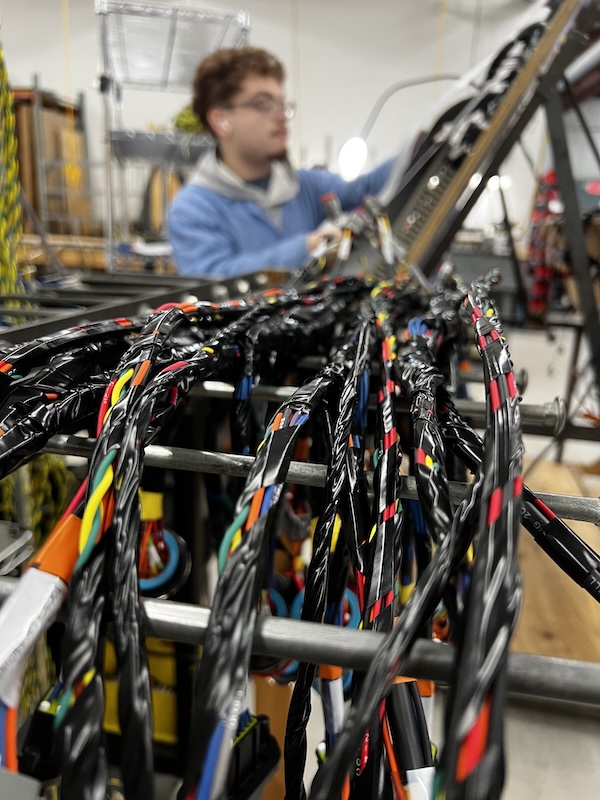
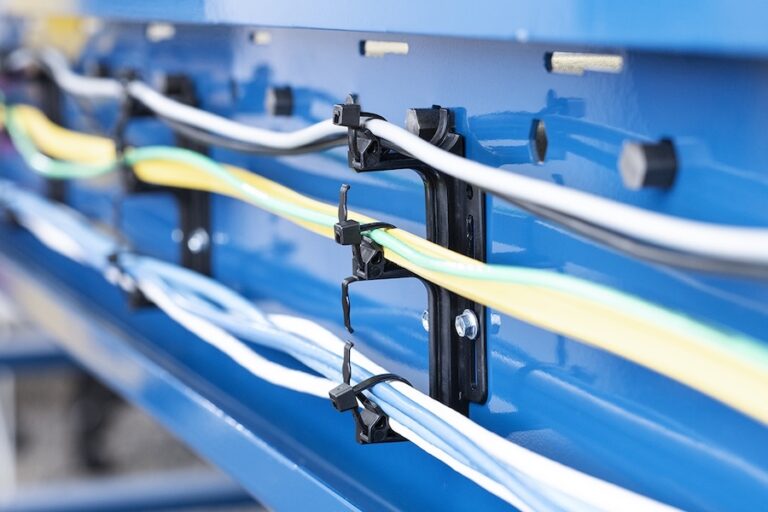







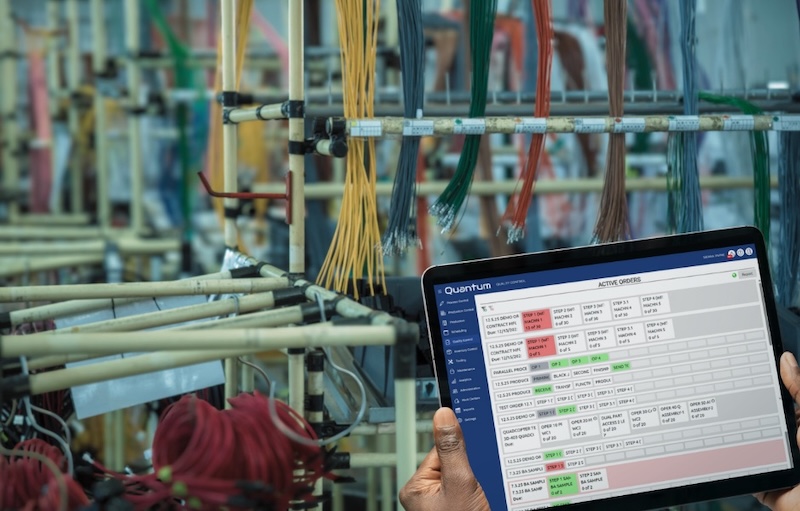
“We don’t want automation replacing our people.” This is a common concern in small shops, where production is very operator-dependent and labor-intensive. Automation is usually seen as a byword for rigid systems, robots, or process designs that don’t accurately mirror what happens on the production floor. But when it comes to manufacturing wiring harnesses, automation does not have to mean replacing people in the process at all. When implemented thoughtfully, it does the opposite. Automation can act as a support system for human expertise, reinforcing training, standard work, and quality without removing flexibility or craftsmanship. For small and midsize manufacturers, the right automation strengthens people-driven operations and helps them work more consistently and efficiently.
Human-Centered Manufacturing
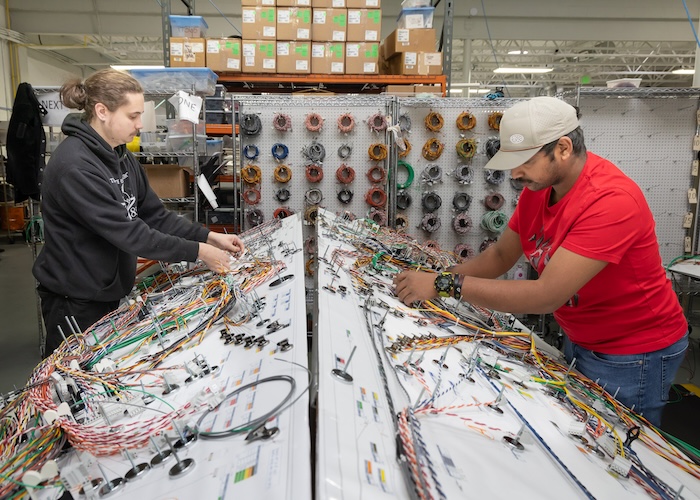
Wiring harness as an industry has been people-driven. Skilled operators understand how to route wires, sense what a “good” crimp feels like, and discern things that would escape automated inspection systems. This knowledge is gained from experience or tricks of the trade. Training is hands-on and inspections can be manual. Quality depends on attention to detail and judgement developed over time. In small to midsize shops, this knowledge is typically shared informally. New machine operators are taught by shadowing those who possess the knowledge, and best practices are recorded in notebooks, on whiteboards, or in someone’s memory. Quality checks are performed because “that’s how we’ve always done it,” not because they’re clearly documented or enforced by the system. While this approach can work, it becomes a problem as workload increases or teams change.
Relying solely on human memory and experience introduces risk. Training becomes unreliable, based on whoever is available for instructions. Startup times extended beyond what you can anticipate, and small errors occur, often becoming rework or scrap. When experienced operators are out or leave the shop, knowledge gaps appear quickly. Human expertise is invaluable, but unsupported expertise creates hidden costs and instability that quietly impacts productivity and quality.
Where Automation Supports (Not Replaces)
Automation in human-centered environments isn’t about controlling every step. It’s about supporting people with the right information at the right time, reducing use of memory and enforcing best practices without hampering production. This is operator-centric automation, putting people at the center of the shop floor and making their work easier, faster, and more accurate.
Operator Training & Knowledge Retention: Training is one of the largest hurdles in manufacturing. Each type of harness may have different requirements, and quality depends on precise execution. With little documentation, training new personnel may extend beyond the estimated timeframe and pull experienced workers away from production. With digital work instructions and standardized process steps directly tied to the job being performed, automation supports your training program. Visual aids, diagrams, videos, and photos linked to specific harness configurations, make it easier for operators to understand what “correct” looks like. Instead of relying on whoever is available to train, the team has consistent guidance built into workflows. The benefit is evident as new employees learn faster and with greater confidence. Trained team members spend less time repeating instructions and are more devoted to higher-value work. You can maintain and share knowledge without it being lost or diluted.
Standardized Work Without Rigidity: Standard work often gets a bad reputation in low-volume or custom environments. Many shops worry that standardization will remove flexibility or slow operators down, but, in reality, automation enables standard work to suggest (rather than dictate) method changes. Detailed step-by-step prompts, checkpoints, and best practices enable critical steps in the process to be covered no matter how the builds differ. Instructions can be targeted at the product, customer, or version, which enables shops to have the versatility they need while being able to impose consistency where it counts. It instills confidence in your operators, and they can remain in control of the process while being assured that critical steps have not been overlooked. Standard work becomes a helpful aid and not a restrictive process that compromises excellence.
Quality Assurance & Error Prevention: Quality risks in wiring harness manufacturing are unavoidable. Mis-wires, incorrect crimps, missed inspections, and incomplete documentation quickly leads to rework or scrap. When quality checks depend on memory or manual spreadsheets, issues are more likely to slip through, especially during busy shifts. Automation strengthens quality assurance by embedding inspection checkpoints and required signoffs into the workflow. Digital traceability ensures that inspections occur when they are supposed to and that they are recorded consistently. Rather than relying on memory, an automated system reminds your team at the right time. The human value is less pressure and fewer mistakes. Errors are discovered sooner, before they are passed down. You don’t have to double-check everything, and your operators can focus on doing the work right the first time.
Supporting Supervisors & Leads: In smaller shops, training, quality, and schedules along with production, must be addressed simultaneously by supervisors and leads. Automation assists in pointing out problems proactively, like training gaps, recurring defects, or process deviations. With better visibility, you spend less time reacting and more time coaching operators and improving processes. Automation becomes an extra set of eyes, helping leaders support their teams without adding more manual oversight.
Why Operator-Centric Automation Matters More for Small Manufacturers
Automation isn’t about scale; it’s about support. One mistake or untrained operator in a small wiring harness shop can make a huge difference with regards to schedules and margins. Supervisors and leaders are already stretched thin, managing multiple responsibilities at once. Operator-centric automation acts as a safeguard, ensuring critical steps happen even when resources are tight or the shop is busy: training happens consistently, quality checks aren’t skipped, best practices are reinforced every day, not just when someone remembers. For many small manufacturers, there is concern over “over-automation”, envisioning systems that might be too complex or too rigid. Modern MES tools (Manufacturing Execution Systems) are designed differently. They are configurable, scalable, and built to work alongside people. Instead of replacing human judgment, they protect it, making your smaller team more resilient and less dependent on individual memory.
MES: A Safe Entry into Automation
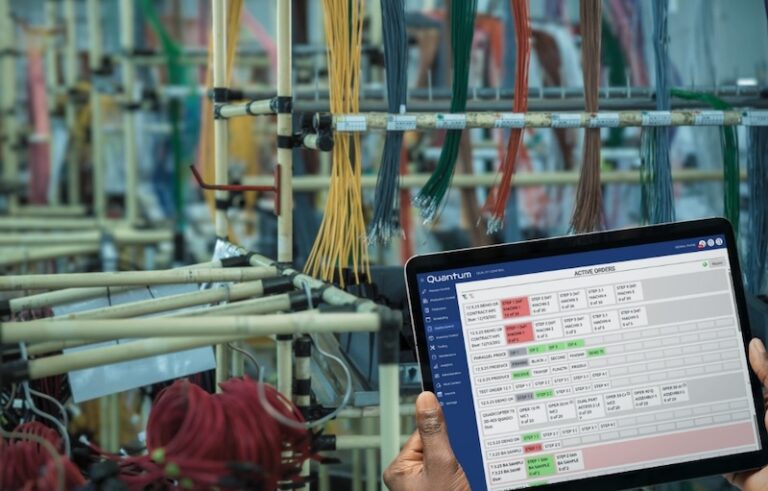
This approach is exactly how MES like Quantum are designed to work. MES provides a framework for supporting people, not replacing them, by organizing and delivering the information operators and supervisors need in real time. Quantum is built specifically for small and midsize manufacturers in industries like wiring harness. Its all-in-one design allows shops to add automation into what matters most without committing to overwhelming systems and then easily scale as they grow. The focus is on human-centered design, improving transparency, reinforcing consistency, and preventing errors before they occur in all areas of production from inventory to scheduling.
The most effective automation strategies in wiring harness manufacturing don’t remove people from the process: they reinforce them. Skilled people remain at the center of production, backed by systems that reduce risk, save time, and prevent costly mistakes. By supporting operator training, preserving knowledge, and strengthening quality, automation helps manufacturers of all sizes operate more consistently and confidently. No shop is too small for automation, especially when it’s designed to work hand-in-hand with people who keep the floor running every day.
About CIMx Software
For nearly 30 years, CIMx Software has been helping manufacturers of all sizes take control of their shop floors, streamline production, and turn complex data into actionable insight. Their mission is simple: empower small and midsize manufacturers to produce more efficiently, predictably, and profitably. CIMx specializes in Manufacturing Execution Systems (MES) and their system, Quantum, connects people, machines, and processes in real time. From production scheduling and quality control to machine maintenance and compliance tracking, their solutions help you see what’s happening on the shop floor the moment it happens, so you can act fast and stay ahead. Quantum isn’t just technology, it’s the culmination of experience, practical knowledge, and a determination to help shop floors thrive.
To find out more about how you can support your production team with Quantum, visit www.cimx.com or email Jack Johnson at [email protected].