
























By Chris Wadsworth, VP & General Manager, Global OEM Solutions Business, Wesco
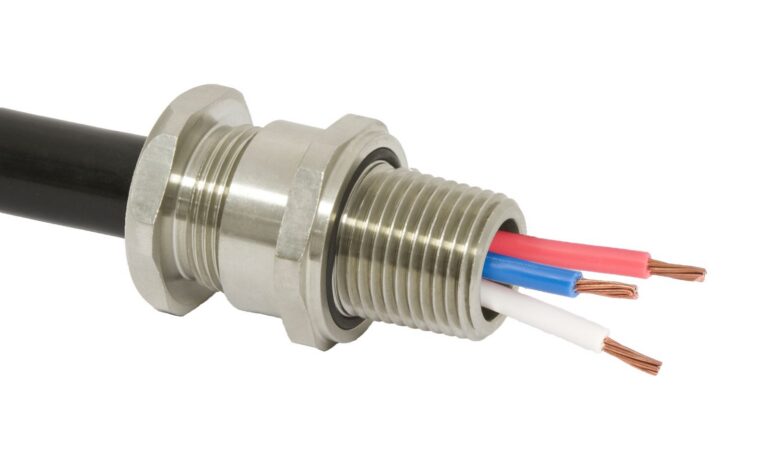
Driven by renewable energy infrastructure efforts, rapid data center growth and the push towards electrification, global copper demand is at an all-time high. According to industry figures, copper costs are projected to rise anywhere between 8-15% by the end of 2025 and that is on top of the existing tariff uncertainty in the U.S. Essential for its conductivity, durability and flexibility, copper is a critical component to any wire and cable application. The cascading effect is that it’s not only driving costs higher but aggravating existing supply chain constraints and extending product lead times. In short, it’s pushing the industrial wire and cable market to quickly adapt and rethink how and when they source materials.
How can organizations mitigate these challenges and better manage the impact of copper constraints? Here are three strategies to consider.
- Focus on Forecasting & Inventory Planning
Operating on a first-come, first-served basis is no longer a sustainable practice. Instead, prioritize inventory planning in order to secure the needed supply. Work with your suppliers and distribution partners to develop rolling forecasts for critical materials. Specialized programs, like vendor‑managed inventory (VMI), can also help ensure product access even when market volatility and complexity intensify. These programs mitigate delivery lags and ensure dedicated inventory is available on-site by anticipating and planning for long-term needs. Material resource planning can also help to mitigate long lead times and unpredictable orders. While disruptions in the global supply can impact your local pricing and availability, long-term planning and utilization of inventory services can help you minimize supply volatility. - Consider Alternative Materials and Product Substitutions
As long-term forecasts and VMI programs deliver much-needed supply chain peace of mind, it’s important to diversify product sources with strategic substitutions. There’s no question that copper will remain essential, but there are potential alternatives to consider. Fiber‑optics, recycled copper and lower‑grade aluminum conductors could be viable substitutions depending on how the materials will be used. Evaluate each option for conductivity, temperature tolerance, corrosive potential and other factors. This not only eases the reliance of copper, but also has the potential to lower prices as well. Organizations such as Underwriter Laboratories, the Society of Automotive Engineers (SAE) and the International Standards Organization (ISO), can also provide more direction as they develop standards and recommend which products can and cannot be used in certain scenarios.
However, as the demand for innovative wire and cable solutions grows, it’s important to approach alternative materials and product substitutions with caution. While exploring cost-effective options may be appealing, end users must ensure that their choices maintain the highest quality standards. Substituting with materials sourced from foreign manufacturers can lead to the risk of subpar wire, cable, and fiber optics, potentially compromising safety and performance. Prioritizing quality over cost is essential for long-term reliability in our industry.
- Strengthen Relationships with Key Partners
Collaborating with key suppliers and distribution partners that deeply understand the current supply chain challenges and have the knowledge and expertise to navigate the market complexity is key. By working together through the most challenging elements – developing forecasts, navigating disruptions, reserving products and sourcing substitutions – these partners can help ensure planning is effective and decision-making well informed.
Over the past few years, the wire and cable industry has proven it is adaptable and resilient, managing the impacts of a global pandemic and a skilled labor shortage on the supply chain. But as copper costs close in on record highs and other commodities like aluminum and steel follow suit, businesses are going to have to be more proactive to manage an increasingly dynamic environment. With the right strategies, technologies, and partners working in collaboration, these organizations can maintain continuity, control costs and navigate supply chain uncertainty more effectively.Author bio:
At Wesco, Chris Wadsworth serves as Vice President and General Manager of the OEM Global Solutions Business which provides supply chain solutions to OEMs across industries. Chris began his career in manufacturing in the automotive industry and has been in the electronics distribution industry since 2001, serving in multiple sales, operations, manufacturing, and marketing roles. He holds an Industrial Engineering degree from Auburn University and an MBA from the University of Arkansas Little Rock. Chris has served on the ECIA Executive Board as well as the Distribution council and was the EDS Board President.