


















“We don’t have the right equipment for automation.” Many think automation only applies to robotics or large-scale production systems, not the soldering stations, testers and crimp machines most shop floors have. But that’s where opportunity hides. For small to midsize wiring harness manufacturers, automating even the simple parts of equipment and facility management can cut down on downtime, keep you on schedule, and protect production from the unexpected. The truth is automation doesn’t have to mean new machines. It can mean using the data and tools you already have to make your equipment work smarter.
Every wiring harness manufacturer knows the importance of uptime. When a machine is down, the job stops, and that disrupts the entire schedule. But many shops still handle maintenance and machine performance by hand. This could be keeping track in a spreadsheet, having workers tell you problems verbally or writing them down on a board. Each of these things adds friction to production. A missed calibration, an unnoticed vibration, or a forgotten oil change can take a machine out for hours or even days. Without being able to see what’s happening in real-time, supervisors must guess which machines are free and which ones are waiting to be fixed. The result is lost time, unpredictable schedules, and costs that sneakily eat into your profits.
Where Automation Fits
When people hear about “equipment” automation,” they think of robots or huge system upgrades. But really, it’s about automating the information around your equipment, like maintenance reminders, uptime, and how things are performing to keep operations moving. Here are a few small but powerful ways automation can support your production.
Automated job monitoring: Doing manual checks means you only know something’s wrong after it’s already happened. Automation changes that by watching how things are working in real time. Even a basic digital system can track how long a job has been running, point out when things are off, and send alerts when conditions shift outside parameters. Instead of reacting to breakdowns, your team can stop them from happening. For smaller manufacturers, this means machines are up and running more, fewer disruptions, and less guessing to catch problems early.
Connecting machines and schedules: Planning production means knowing what’s available. When a station or tester is down, the whole schedule can fall apart. With automation, equipment status and maintenance data go right into scheduling tools. That means planners can see right away which machines are running, which are free, and which are being worked on. Even a single dashboard can help smaller shops get more accurate job planning, fewer surprises, and better workflow.
In big factories, there are separate maintenance teams, engineers, and operators who handle equipment tracking. In smaller shops, those jobs overlap, and one person might be managing machines, running production, and updating schedules all at once. That’s why automation is essential, an extra set of eyes handling routine checks and updates so people can focus on production. Automating small equipment processes like downtime tracking or alerts saves hours each week. It also creates a foundation of reliable data, helping teams make better decisions and scale with confidence as orders grow.
Information You Can Build On
Every time you automate a process, you’re not just saving time, you’re creating data you can use. This information becomes one of your most valuable tools. With each automated alert or performance log, you’re collecting a record of how your shop actually runs: when it’s most efficient, when problems occur, and how long repairs take. These patterns begin to tell a story. Maybe a tester runs slower during certain shifts, or a crimp press needs maintenance more often than expected. With data in hand, you can make decisions based on proof instead of instinct. For smaller manufacturers this is where automation starts to pay off. Even basic reports can help plan schedules, balance workloads, and justify new equipment purchases with real numbers to back them up. The same data that keeps production running day to day also helps guide smarter growth for the future.
Quantum: A Practical Path to Equipment Automation
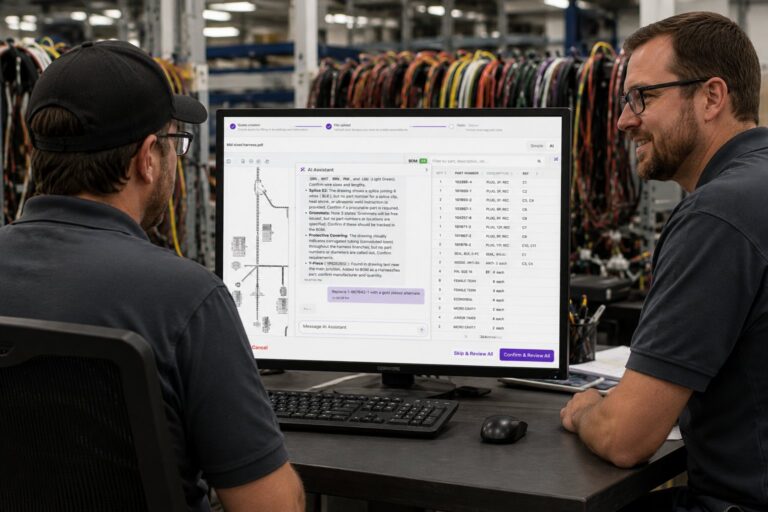
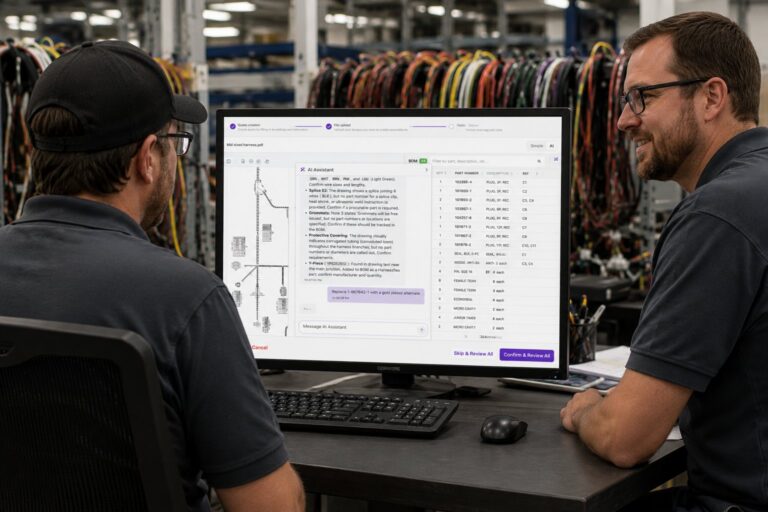
That’s the approach behind Quantum, CIMx Software’s Manufacturing Execution System (MES). It’s designed to give small and midsize manufacturers the same insight and control without massive infrastructure changes. With Quantum, you can track machine performance and downtime automatically. Connect equipment status to production schedules for real-time accuracy. And receive automated alerts for maintenance or process deviations. By connecting and organizing shop floor data, Quantum eliminates the manual work and frees your team to focus on production.
Automation doesn’t need to be difficult. It starts with giving your equipment and facility the digital help they need to run smoothly. An alert here, a connected dashboard there, it all adds up to less waste and a more predictable day on the floor. Over time, those small wins compound, building a stronger, smarter operation. And when your machines are in good shape, your schedules stay consistent, your people are more productive, and your shop can take on more work with confidence. No manufacturer is too small for that, and the sooner you start, the faster those gains appear.
About CIMx Software
For nearly 30 years, CIMx Software has been helping manufacturers of all sizes take control of their shop floors, streamline production, and turn complex data into actionable insight. Their mission is simple: empower small and midsize manufacturers to produce more efficiently, predictably, and profitably. CIMx specializes in Manufacturing Execution Systems (MES) and their system, Quantum, connects people, machines, and processes in real time. From production scheduling and quality control to machine maintenance and compliance tracking, their solutions help you see what’s happening on the shop floor the moment it happens, so you can act fast and stay ahead. Quantum isn’t just technology, it’s the culmination of experience, practical knowledge, and a determination to help shop floors thrive.
To find out more about how you can manageably automate your production with Quantum, visit www.cimx.com or email Jack Johnson at [email protected].