

















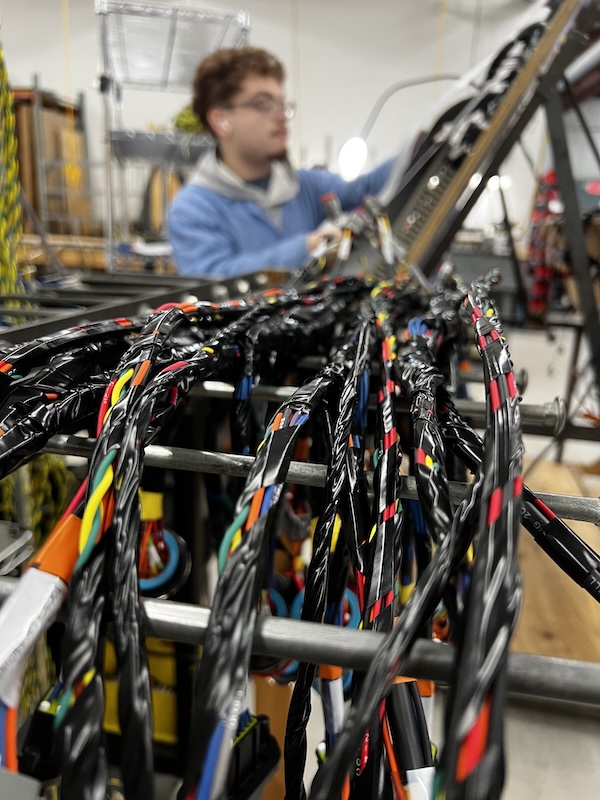







Wire harness manufacturing has long been a critical foundation of industries ranging from automotive and aerospace to industrial equipment and emerging electric vehicle technologies. Yet as experienced technicians retire and workforce demographics shift, the industry faces an urgent challenge: attracting younger workers into the field. Addressing this issue requires more than recruitment efforts alone. It requires reframing how wire harness manufacturing is perceived, not as repetitive manual labor, but as a high-tech, high-skill, innovation-driven career path.
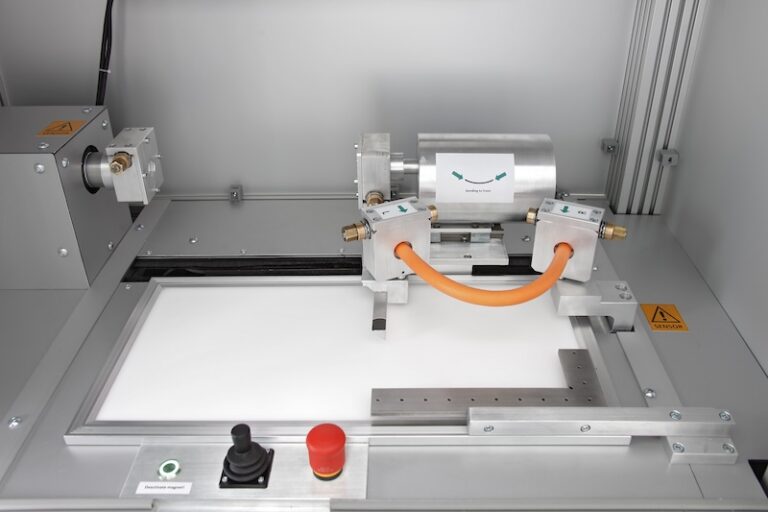
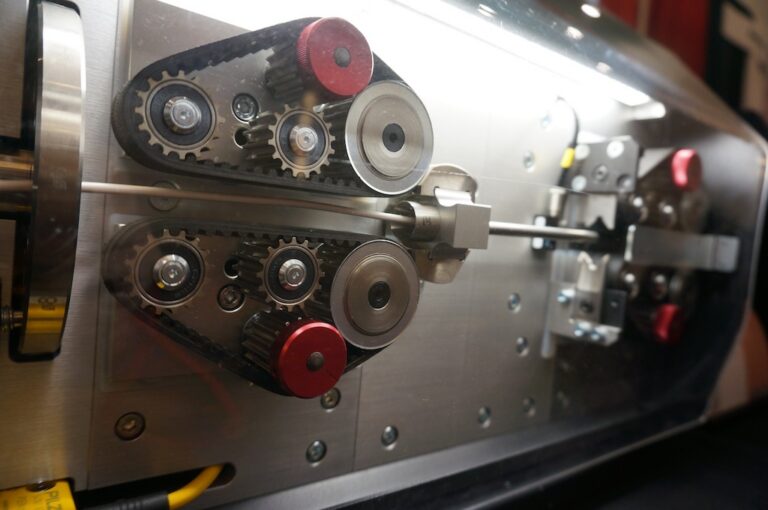
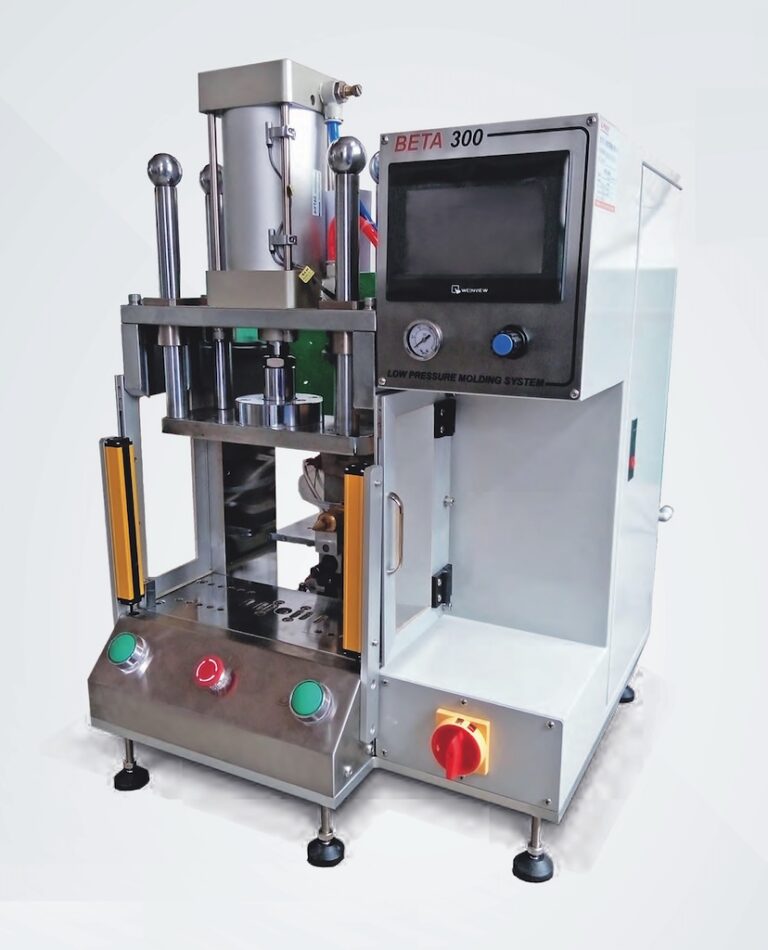
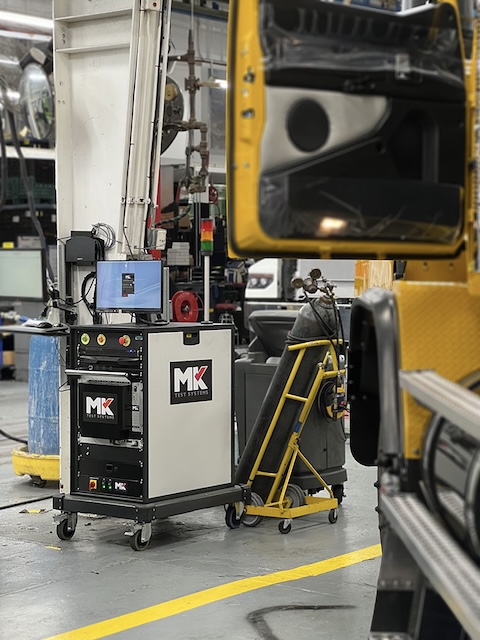
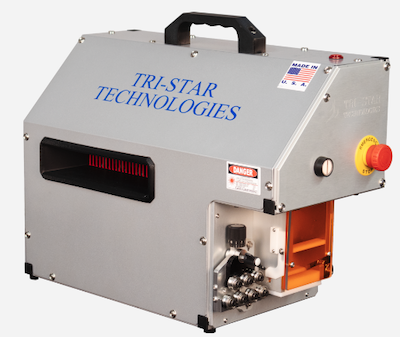
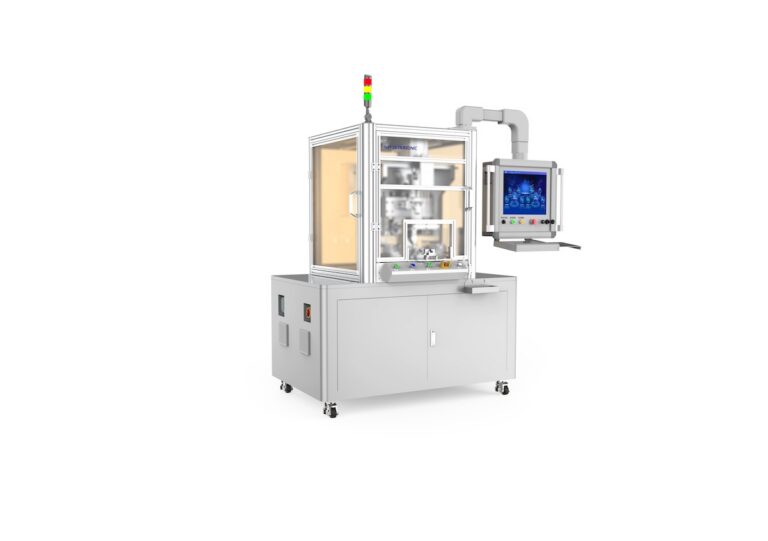
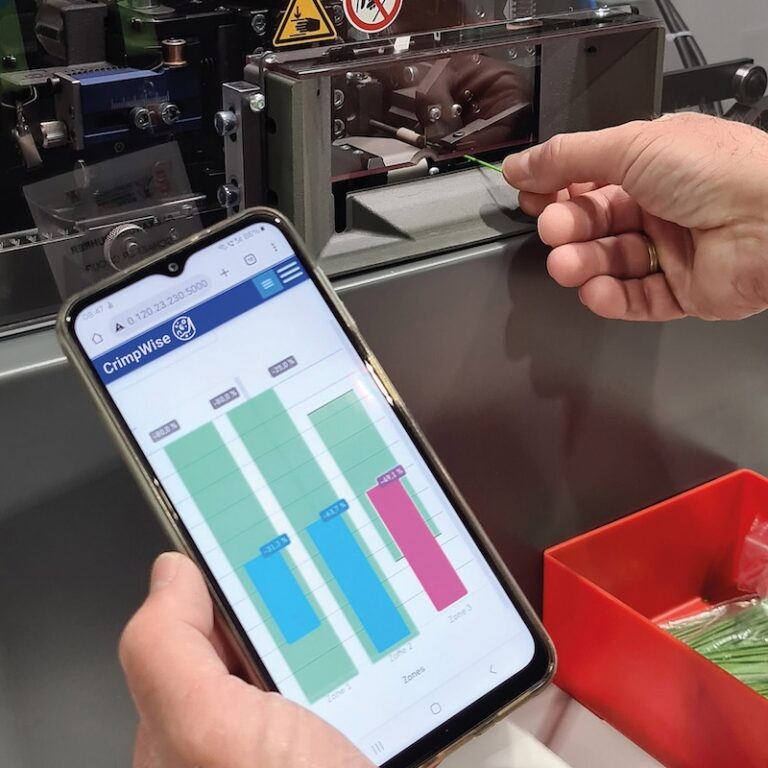
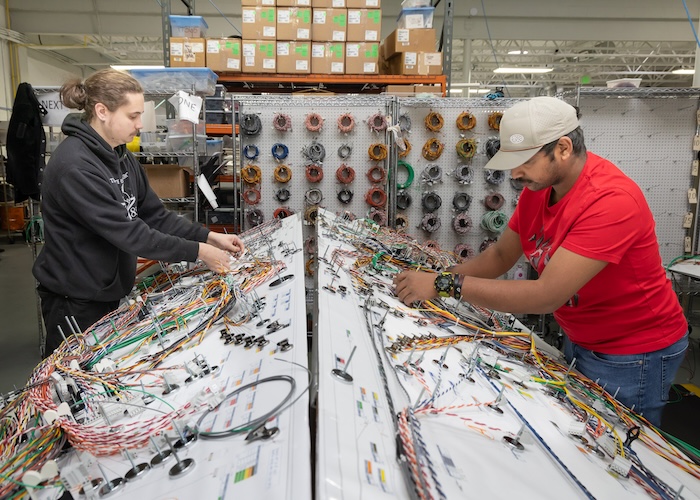
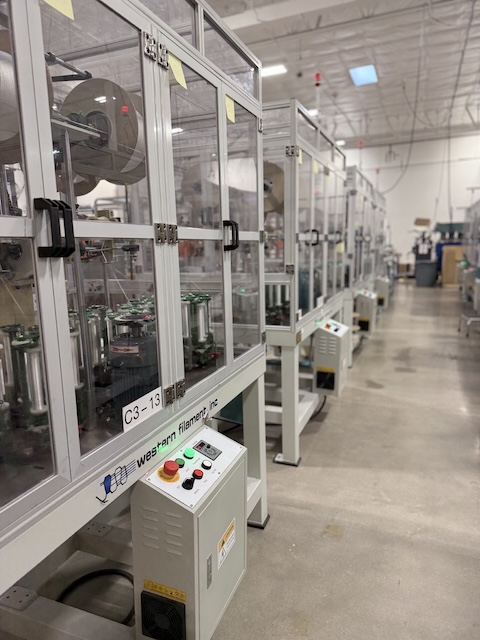
One of the primary obstacles is outdated perception. For many outside the industry, wire harness manufacturing still conjures images of purely manual assembly work. In reality, modern facilities rely on advanced automation, digital engineering workflows, robotics, AI-assisted design tools, ERP systems, and increasingly connected smart factory environments. Precision crimp validation, automated testing, digital continuity from design to production, 3D modeling, and data-driven operational decision-making are now standard elements of competitive operations. Today’s harness production environment demands technical proficiency, analytical thinking, and comfort with advanced manufacturing technologies.
Industry groups are also working to accelerate innovation and modernization. The Wire Harness Manufacturer’s Association (WHMA) Innovation Advisory Team, part of the Global Electronics Association, for example, is advancing the digitization of manufacturing data used to communicate harness design and production requirements. By helping standardize and digitize how manufacturing information flows across the design-to-production lifecycle, the initiative supports greater efficiency, accuracy, and integration between engineering and manufacturing systems. Efforts like these reinforce that wire harness manufacturing is part of the broader digital transformation reshaping modern manufacturing.
To attract younger talent, companies must highlight the skill and expertise required in these roles. Rather than advertising “production jobs,” manufacturers should emphasize opportunities in electrical systems knowledge, quality engineering, automation integration, digital manufacturing systems, and process optimization. Clear advancement pathways, structured training, and industry-recognized certifications reinforce that this is not simply a job, but a profession with upward mobility and long-term career growth.
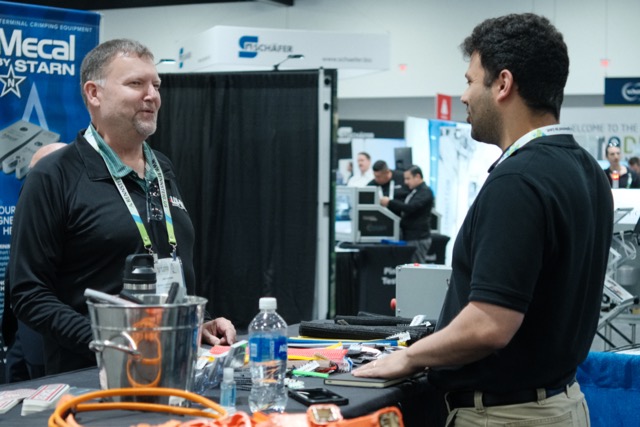
Initiatives that connect students directly with industry are also helping build that pipeline. As the Electronics Foundation notes:
“At the Electronics Foundation, we’ve created a program through our Student Chapter network that strengthens the student experience and prepares the next generation of talent for careers in the electronics industry. The program is simple to implement for educators to implement and provides students with scholarships, access to courses and standards, hands-on learning opportunities, leadership development, and direct connections with industry. Learn more at www.electronicsfoundation.org.”
Training and certification programs are particularly attractive to younger workers who value skill development and credentials. Structured programs focused on IPC standards, crimp quality validation, wire harness design fundamentals, and smart manufacturing systems provide both competence and confidence. The Global Electronics Association offers specialized courses that support both wire harness designers and manufacturers, recognizing that harness design itself is a unique and highly specialized skill set requiring electrical, mechanical, and manufacturability expertise. Additional information on these training opportunities is available at www.electronicsu.org. Demonstrating a clear investment in employee development signals stability and long-term opportunity.
Connecting work to emerging technologies is equally important. Younger generations are drawn to industries shaping the future, and wire harness manufacturing sits at the center of transformative sectors such as electric vehicles, renewable energy systems, aerospace innovation, robotics, and smart infrastructure. Every EV battery system, autonomous vehicle platform, and renewable energy installation depends on sophisticated electrical interconnect solutions.
Finally, culture and purpose matter. Younger professionals increasingly seek meaningful work, and wire harnesses play a role in nearly every sector of modern life. From satellites orbiting the Earth to aircraft and defense systems, from automobiles and industrial machinery to everyday household appliances, harnesses form the electrical backbone of countless products. Communicating this broader impact, alongside fostering collaborative, inclusive workplaces, helps align daily work with a sense of larger contribution.
The workforce challenge facing wire harness manufacturing is real, but so is the opportunity. By intentionally repositioning the industry as technologically advanced, skill-driven, and integral to future innovation, manufacturers can attract a new generation ready to build the electrical backbone of tomorrow’s technologies. The message is clear: this is not just wiring. It is engineering for the future.