












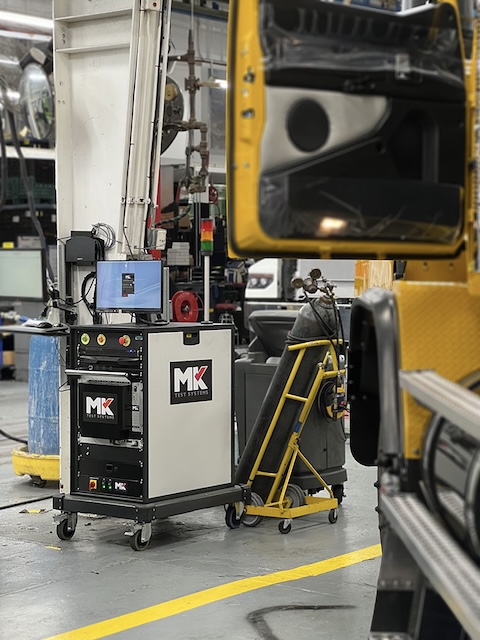
REDUCING ERRORS BEFORE FINAL ASSEMBLY
By MK Test Systems
Modern vehicles – from trucks and buses to off‑highway machines – are stuffed with electronics. That’s great for capability and safety, but it makes wiring harness validation far more complex. Continuity checks and insulation tests are still essential, but alone they won’t prove that a harness with active components actually works the way you and your customers expect.
In this article, we’ll share how you can bring functional testing forward in your build process to reduce late‑stage rework, speed up throughput, and raise confidence before Final Assembly Line (FAL) sign‑off. We’ll keep things practical, and show where the industry is headed – including what to expect to see at the 2026 Electrical Wire Processing Technology Expo (EWPTE).
Why functional testing matters now
Your harnesses don’t live in isolation anymore. They power and control relays, switches, contactors, LEDs, actuators and sensors; all of which must behave correctly under power and stimulus. That’s what functional testing validates: it answers “does this system perform to spec?” rather than just “are the wires connected?” (continuity) or “is there adequate insulation?” (insulation resistance / dielectric withstand).
Wiring Harness News has consistently highlighted how readers are tackling rising complexity with new test methods, smarter fixtures, and greater automation. All these things are a strong signal that function‑first thinking is taking root across our industry’s day‑to‑day operations.
The cost of catching faults too late
Finding a mis‑wired lamp circuit or an unresponsive actuator at the FAL is painful. By then, the harness is integrated into a vehicle, access is tight, and multiple teams are waiting. That’s time you can’t get back. Moving functional verification earlier pays off in fewer line stops and faster root‑cause analysis.
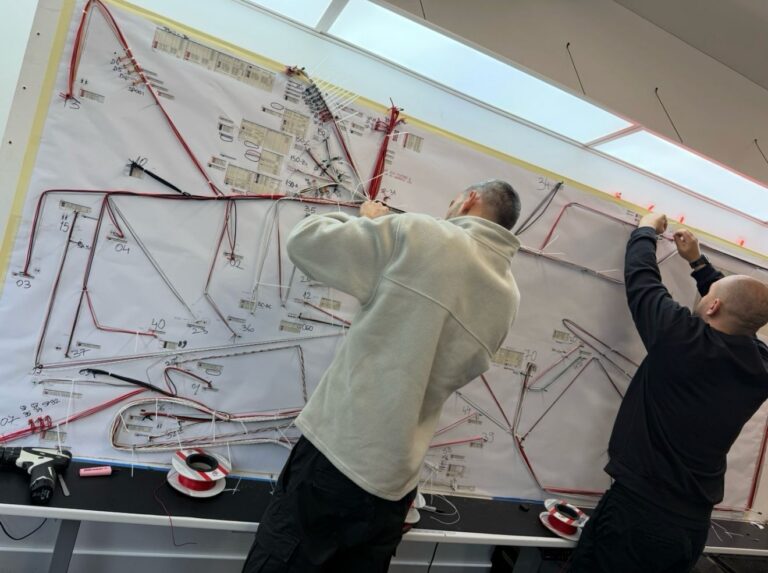
Many manufacturers are adopting “Test As You Build” (TAYB) approaches, inserting powered checks immediately after sub‑assembly or even during the loom build. This trend is spreading from aerospace into automotive and off‑highway because it reduces troubleshooting later on and creates cleaner, more complete records for quality teams.
What “functional testing” actually looks like
Functional testing adds stimulus and measurement to prove behaviour – not just connectivity. In practice, that means:
- Stimulating the circuit at realistic voltages and verifying the response across multiple nets and devices.
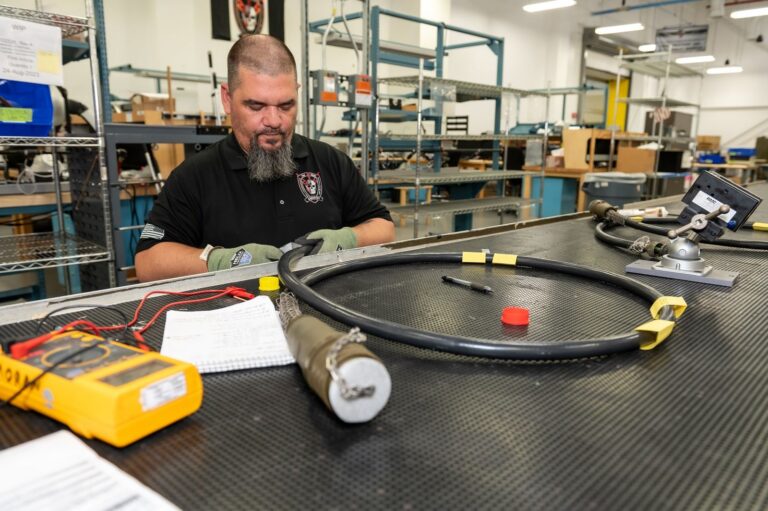
- Measuring outputs and states: Is the relay closing? Is the motor drawing the expected current? Does the indicator light up? Are polarity and protective devices (diodes) oriented correctly?
- Exercising options and variants: Modern vehicle platforms ship with numerous option codes; functional testing confirms the right functions are present and operating before the harness leaves your area.
To do this efficiently, manufacturers increasingly use multibus architectures – multiple stimulus and measurement “buses” that can be routed to any test point. Multibus systems give you flexibility to power and measure many parts of the harness simultaneously, which keeps cycle times under control even as assemblies grow.
Removing the engineering bottleneck: Automated Program Generation (APG)
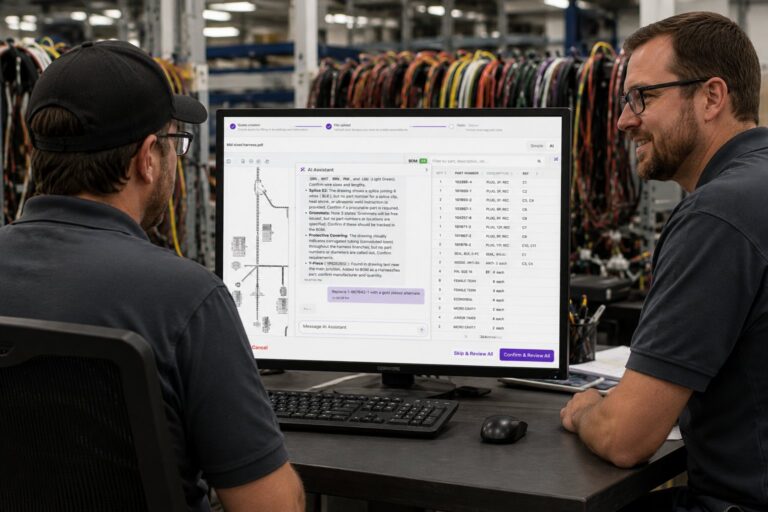
Creating robust functional tests can be a heavy lift if you start from a blank page. That’s why more teams are adopting Automated Program Generation (APG). APG takes your existing design data (ECAD netlists, wiring lists, wire schedules, and component libraries) and automatically builds the test sequences, including the permutations required for active components.
Instead of spending days writing scripts, your engineers get a ready‑to‑run program in minutes, which is a huge help when you’re juggling backlogs and last‑minute Engineering Change Orders (ECOs).
Make it earlier, make it lighter: Integrating tests into the build
The biggest wins happen when functional testing moves upstream:
- After sub‑assembly: Power and validate door modules, lighting looms, or cab harnesses as soon as they’re pinned and terminated.
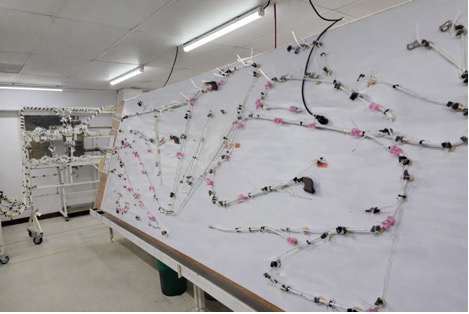
- Pre‑FAL kitting: Verify option content and functional behaviour while the harness is still on the formboard. Catch issues long before installation.
- During installation (where safe and appropriate): Low‑voltage live checks during installation shorten the time from fault to fix and prevent snowball effects that surface at end‑of‑line.
Moving tests earlier isn’t just about speed; it’s also about data. Capturing results at each stage feeds your quality system with traceability that auditors, OEM customers, and your own CI (Continuous Improvement) teams can use. Those records make it easier to spot recurring issues, prove compliance, and benchmark suppliers over time.
What “good” looks like: Capabilities that matter
When you evaluate functional test strategy and equipment, look for:
- Multibus flexibility: The ability to stimulate and measure across multiple buses and route them to any test point. This keeps programs simple and cycle times short as density rises.
- Two‑ and four‑wire measurements: Accurate verification of low‑resistance circuits and grounds while still handling standard continuity and insulation tasks.
- APG from your existing data: Reduce engineering effort and ensure test coverage tracks design intent automatically.
- Operator‑friendly diagnostics: Clear fault locations, guided workflows, and visual cues to speed fix time and cut training overhead.
- Digitised records and integration: Exportable results you can push into MES/ERP or your quality database, strengthening traceability and enabling analysis.
- Scalability to different industries: From off‑highway to aerospace, your test approach should adapt to safety‑critical requirements and varying component mixes.
Putting it into practice: A simple rollout plan
- Start with one high‑impact harness: Pick a sub‑assembly with known rework pain (e.g., a cab harness with multiple lighting and sensor branches). Generate a functional test from your ECAD data using APG, then run it at two points: end‑of‑loom and pre‑kitting. Track defects found and time saved.
- Close the loop with production and quality: Use the captured results to tune limits and instructions. Feed that data into your quality system so recurring issues trigger corrective actions rather than tribal workarounds. (Digitised, data‑rich testing supports this continuous improvement cycle.)
- Expand to option variants and neighbouring harnesses: Leverage APG again to spin programs for option packages and adjacent assemblies. Multibus capability keeps test time manageable as coverage grows.
- Bring selective checks into installation: Where it’s safe, add low‑voltage “go/no‑go” functional checks during installation. Early detection there prevents end‑of‑line scrambles.
Tying it to the show floor: What to look for at EWPTE (Milwaukee, in May)
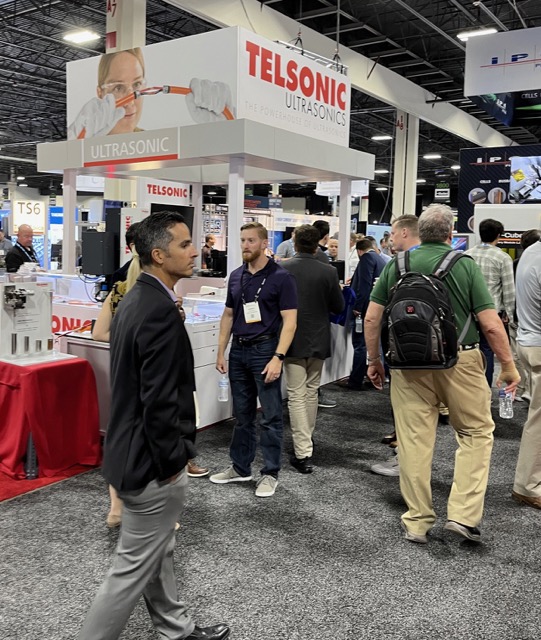
EWPTE is where the wire harness community gathers to talk training, techniques, and technology; and this year will be no different. Expect conference sessions and exhibitor demos focused on new test methods, automation, and data‑backed quality, with specific interest in cutting rework and improving diagnosability. The event brings 3,000+ attendees and nearly 200 exhibitors together to find solutions to “new wire problems” – including functional test strategies you can apply immediately.
We’ll be there. If functional testing is on your roadmap, or if you want to turn an existing QA station into a faster, more insightful one, come and talk to us. We’ll happily show how automated program generation and multibus architectures translate into shorter cycles, cleaner data, and fewer FAL headaches.
The bottom line
You don’t need to choose between speed and certainty. By moving functional testing earlier – and by leaning on APG, multibus architectures, and digitized records – you can cut rework, accelerate throughput, and deliver harnesses that just work.
We’re here to help you get there. If you’ll be at the 2026 EWPTE in Milwaukee, let’s set aside 20 minutes to walk through your current process and identify the fastest wins for your team – find us at booth 809.