























Sierra Irvine. CIMx Software
Word Count: 929 words
“We’re too small for automation.” It’s a phrase you’ve probably heard, or maybe even said yourself. It’s a common belief. Automation sounds like a huge investment, something you’d expect in a massive plant producing thousands of identical harnesses every week. Not in a smaller shop running custom jobs or shorter batches.
But here’s the thing: no manufacturer is too small to benefit from automation. In fact, day-to-day struggles of smaller operations (keeping track of materials, tools, and calibration dates) is often where the most time and money gets lost, and where automation can have the biggest impact.
Hidden Costs of Manual Inventory
Inventory is the heart of a wiring harness shop. Without the right spools of wire, terminals, housings, or connectors available at the right time, production stalls. And yet, many small and midsize manufacturers are still relying on outdated tools like spreadsheets, paper notes, or memory to track what’s in stock. That works…until it doesn’t.
Here’s what usually happens:
- Materials get double-ordered from an un-updated stock sheet.
- A shortage goes unnoticed until a job is halfway unfinished.
- A member of your team spends half an hour hunting down a missing tool.
- Compliance is at risk from a missed calibration date.
On their own, these issues don’t sound catastrophic. But together they create hidden costs that pile up: delays, scrap, rework, overtime, and even lost business entirely when deadlines slip. In low-volume or high-mix production, where margins are already thin, the impact can be significant.
Where Automation Fits
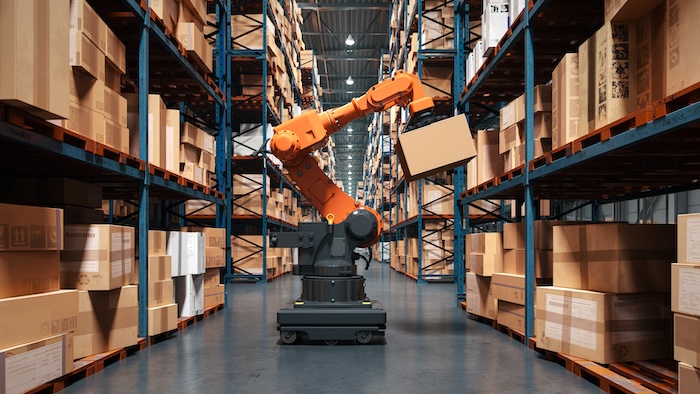
When most people hear “automation,” they think of robots on the floor or complicated, expensive new equipment. But in many cases, it’s about putting digital guardrails in place, systems that quietly handle repetitive, time-consuming tasks so your team can focus on higher-value work.
Here are a few ways inventory automation can lighten the load:
Tracking and Deduction – An automated system can track material usage in real time. Imagine instead of waiting for someone to remember to log a connector, the system automatically deducts what’s been used and updates stock levels. That means no more surprises when it’s time to pull materials for your next job. Operators can focus on building, supervisors don’t have to second-guess the numbers, and everyone knows what’s really available.
Tooling Management – If you’ve ever lost time hunting down a crimper or cutter, you know how frustrating it can be. In manufacturing, the right tools are just as critical as the right materials. Automation makes it easy to keep tools logged and tracked just like inventory: where they are, who’s using them, and what condition they’re in. That way, you’re not wasting time chasing down equipment when you should be running production.
Calibration Control – Calibration seems like a minor task, one more thing to track, until it’s missed. A crimp tool that’s out of spec can compromise quality, safety, and compliance. Yet calibration dates are often tracked manually, leaving room for dangerous oversight. Automation handles this in the background, digital reminders flagging upcoming calibration needs and automatically logging records, meaning your team can stay compliant without the stress.
Real-cost of Low-Volume Errors – Many shops assume automation only pays off when you’re running massive, high-volume orders. But smaller batches or custom production can feel the pain of mistakes even more. When you’re only building a handful of units, a single missing spool or late calibration can throw off an entire schedule. Automation not only helps you act on those problems but helps prevent repeats.
Why Smaller Shops Stand to Gain the Most
In big factories, there are whole teams dedicated to managing inventory and keeping tools in line. In smaller shops, people wear multiple hats and operators build products, track materials, and help with scheduling all in the same day.
That’s exactly why automation matters most for smaller manufacturers. It’s not about replacing, it’s about supporting your people and making sure little details don’t slip pass. And when those details are under control, it opens doors to growth. With automation, shops can take on new jobs, expand into new markets, and scale without worrying that their process might break under pressure.
Quantum: A Practical Starting Point
That’s the reality in mind at CIMx Software and their MES (Manufacturing Execution System), Quantum. It’s designed for manufacturers who want the benefits of automation without jumping in “too far, too fast.”
With Quantum, you can start where it matters most (like inventory management) and expand as your needs grow. The digital system handles material tracking, deduction, tooling, and calibration all in one platform. By handling these routine but essential tasks, the software reduces waste, eliminates errors, and gives operators and supervisors reliable data to work from. Operators spend less time chasing tools or logging materials and more time building quality harnesses. Supervisors gain visibility without micromanaging. And managers can trust that essential practices are happening automatically, even in a busy, fast-moving environment.
Quantum is built and priced for small to midsize shops. With low barrier to entry, Quantum can help you solve immediate challenges, and build confidence in automation before expanding into larger projects like scheduling or quality management. This makes it an accessible entry point for you to improve efficiency and consistency without disrupting the way you currently work.
Inventory management doesn’t always get the spotlight, but it’s one of the clearest opportunities to save time and money in wiring harness manufacturing. Automating even the basics can make a measurable difference. And no shop is too small to benefit. When you focus on protecting the essentials, you give your team more time, reduce costly errors, and create room for growth.
Visit www.cimx.com or email Jack Johnson at [email protected] for more information.