


















Q & A with Jeff Wood, Director of Sales
For decades, Wiremasters has been a name synonymous with excellence in high-performance wire and cable, particularly within aerospace and defense. Founded in 1988 and headquartered in Columbia, Tennessee, the company has grown into a trusted supplier for some of the most demanding industries in the world. Known for its extensive inventory, global reach, and focus on customer service, Wiremasters has always operated at the intersection of reliability and innovation.
Today, the company finds itself at the heart of pivotal shifts: copper tariffs disrupting supply chains, the push toward lighter and more efficient materials, and regulatory pressures reshaping the industry’s future. To explore these topics, we sat down with Jeff Wood, Director of North America Sales at Wiremasters, for a candid discussion about challenges, opportunities, and the evolving landscape of wire and cable.
What follows is a detailed Q&A capturing Jeff’s insights into the industry’s current turbulence and the road ahead.
Q&A
Q: How have recent copper tariffs affected the wire harness and electrical engineering industries as a whole?
Jeff Wood: Anytime tariffs move, ripple effects follow in our industry. It’s less about performance and more about planning—things like cost predictability, lead times, and ensuring the right sourcing from the right places geographically. Customers are asking earlier questions about country of origin. They’re also more open to optional conductive materials, making sure their designs are flexible so they’re not dependent on just one type of conductor.
Q: What specific challenges or opportunities have these tariffs created for Wiremasters and your customers?
Jeff Wood: The biggest challenge is unpredictability. Tariffs can change literally overnight, and when they do, that’s more work for us to keep classifications current and make sure our customers are protected. On the flip side, it’s strengthened partnerships. Customers are bringing us into conversations earlier—whether that’s validating alternative sources, qualifying new materials, or putting contracts in place with language that mitigates tariff risk. Those steps help soften the blow when sudden shifts occur.
Q: Have tariffs forced changes in your sourcing or supply chain strategy?
Jeff Wood: Absolutely. Trade conditions are always moving, so we have to keep multiple qualified suppliers lined up. We coordinate with our suppliers to ensure they’re also diversified. Compliant routing options are essential, especially since we operate multiple facilities globally. We pay close attention to documentation, Incoterms, and agreements like the USMCA, which can mean exemptions from tariffs.
We don’t wait for changes to hit—we scenario plan. That way we can pivot quickly. Customers know they’ll hear from us with reliable intel before they hear it anywhere else. That peace of mind—that we’re protecting their production behind the scenes—is a big part of what we deliver.
Q: With so many moving pieces, how do you keep track of it all?
Jeff Wood: With so many moving parts, it really comes down to the relentless work of our Product Management, Operations & Logistics, and Trade Compliance teams. They are the engine behind keeping everything aligned. Every change, whether it’s tariff policy, supply chain disruption, or shifting regulations, is reviewed in real time, and each team contributes to mitigation planning. Honestly, it feels like organized chaos. It’s hectic, but it works, because our teams absorb that complexity, so our customers don’t have to. The goal is always to provide clarity and the most economical solution, no matter how unpredictable the environment becomes
Q: Shifting gears—what trends are you seeing in designs or components that use less copper?
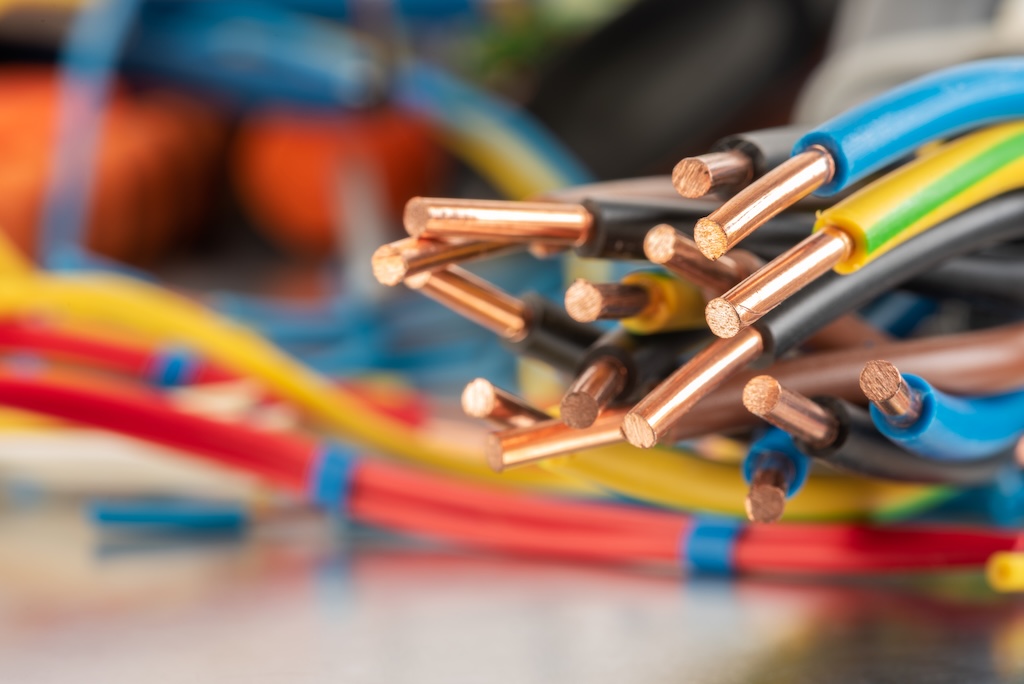
Jeff Wood: There’s definitely more interest in reducing copper where it makes sense. In aerospace, weight is always at the forefront. We’re seeing optimized gauges—where historically a larger gauge would be used, now engineers are controlling amperage and current flow to use smaller, lighter gauges. Sometimes the switch is from traditional nickel-plated copper to nickel-plated alloys, which offer good performance and flexibility with less copper content.
Fiber optics are another area. While more expensive historically, they offer faster rates and contain no copper. In some cases, aluminum can be a good fit, provided the right terminations, available space, and corrosion controls are in place. It’s not about replacing copper everywhere—it’s about putting the right material in the right place 100 percent of the time.
Q: Are there particular industries driving the move toward alternatives?
Jeff Wood: Aerospace and defense are definitely leading because every ounce matters, and reliability at 40,000 feet is non-negotiable. Automotive, especially with electric vehicles, is also pushing innovation. The volumes and the demand for efficiency are immense. Ideas flow back and forth between aerospace and automotive, but aerospace carries more scrutiny because the cost of failure is higher.
Q: Looking ahead, what new materials or technologies could reshape conductor design in the next decade?
Jeff Wood: I think advanced aluminum alloys will continue to progress—smaller products that still carry the required current and withstand high temperatures. Reduction of gauge size where possible will remain a trend. Fiber optics will grow, and we’ll see more hybrid cables integrating both copper and fiber in multi-core designs.
There’s also exciting work in composites and nano-enhanced materials. These will take longer to prove out and become cost-effective, especially for aerospace. Certification and long-term reliability are always the gating factors in that market.
Q: How does Wiremasters support customers in evaluating or transitioning to new material options?
Jeff Wood: We take a hands-on approach. We sit down with customers to define what’s needed, then bring qualified options to the table. We help them test and validate. But it’s not just about material cost—it’s about the whole picture. That includes terminations, installation training, tooling requirements, long-term maintenance, and overall product lifecycle. We make sure all those factors are considered before introducing a new product into an application.
Q: What role do regulatory or environmental pressures play in shaping material innovation?
Jeff Wood: They play a bigger role every year. It’s not just performance anymore—it’s about traceability, compliance, and sustainability. Customers want materials that meet aerospace standards but also align with environmental and lifecycle goals. The good news is that this has accelerated qualification of materials that check both boxes. With so many green initiatives and new regulations worldwide, the qualification process has actually sped up compared to the past.
Q: Do you expect copper to remain the dominant conductor in the long term?
Jeff Wood: Copper isn’t going anywhere—it’s too proven and reliable. But alternatives will keep gaining ground when they deliver clear benefits and availability. I don’t see it as copper versus everything else. It’s about having a toolbox of qualified materials to choose from. Our job is to make sure customers can pick the right one for the right application—and that the supply chain is ready to support them.
Q: How are connector manufacturers reacting to these changes in conductor materials?
Jeff Wood: Connectors are inherently versatile. With only minor adjustments, they adapt to new gauges and materials as they enter the market. Miniaturization is especially promising, as smaller, more efficient connectors are ideal for today’s compact, high-performance systems. The greater challenge comes in data applications, particularly with fiber optics, which require an entirely different toolset. As composites, nanomaterials, and advanced aluminum alloys gain traction, connectors will continue to evolve, because historically, connectors always follow the wire. Our Product Management team is constantly at the forefront of the latest technology in this product line ensuring we consistently bring new, innovative solution to our customers. .
Q: There’s been a lot of discussion around soldier systems and military wearables. Is Wiremasters active in that space?
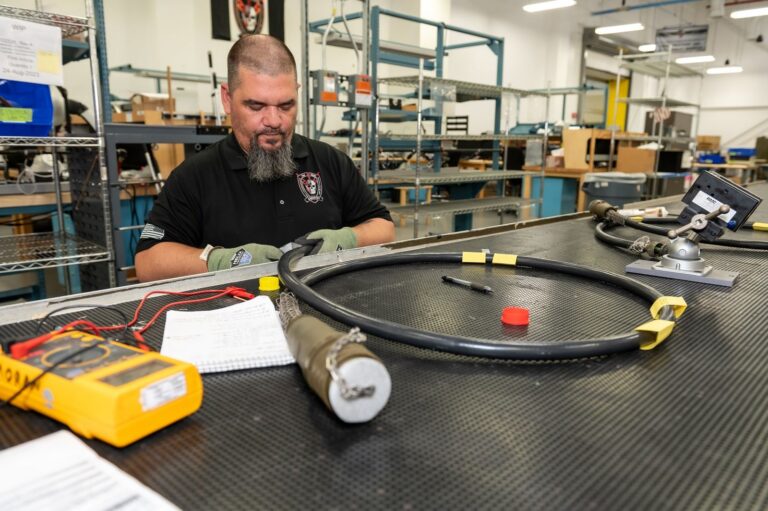
Jeff Wood: Yes—soldier systems are very much in our wheelhouse. These applications involve custom conductors designed for communications, GPS, and other systems that soldiers wear. Everything is specialized: non-glare insulation, specific colorations like olive drab or matte black, and often additional Kevlar protection.
I’ve personally designed quite a few of these during my career. The last one I worked on before moving into my current role included duplex fiber optics, three power conductors, one USB, and several low-current twisted pairs—all wrapped with impeccable EMI protection. We even added a unique camouflage pattern to the outer jacket. These projects are challenging, but they’re also a lot of fun.
Closing Thoughts
Copper remains the backbone of the industry, but alternatives—fiber optics, aluminum alloys, nano-materials—are expanding the toolkit. Aerospace and defense will continue to lead innovation, while automotive, especially EVs, pushes the volume side of efficiency. Through it all, Wiremasters is positioning itself not just as a supplier, but as a partner—absorbing chaos, mitigating risks, and giving customers the flexibility and confidence to thrive in turbulent times.
As Jeff Wood puts it: “Copper isn’t going anywhere, but it’s not about copper versus everything else. It’s about putting the right material in the right place—every time.”