


















By Arik Vrobel, Founder & CEO, Cableteque
The White Rice Moment
My CFO at El-Com once sat me down, looked at our numbers, and said, “Arik, you could make more money selling white rice than making wire harnesses.”
For anyone who’s poured their life into building complex, critical products, that’s a hard thing to hear. It was my wake-up call. I realized I was stuck in the commodity trap, and if I didn’t change, I’d spend the rest of my career competing on price instead of value.
That single conversation set me on a path that would eventually transform my company, El-Com Systems, from a cyclical, modestly profitable business into an organization valued ten times higher than before. It wasn’t easy or quick. It was a journey through failure, reinvention, and rediscovery — and it taught me lessons that still shape everything I do today at Cableteque.
This is that story — the story of how we stopped selling “white rice” and started creating something truly exceptional.
Learning the Hard Way
For years, El-Com followed a familiar pattern. We’d land big contracts, grow quickly, and then hit a wall. Every few years, we’d ride the wave up, then back down again. We were always busy, but rarely scaling. I told myself we were doing well, but in truth, we were surviving — not thriving.
Around 2014, I thought I’d found the solution: reduce costs. California manufacturing was expensive, and I was convinced that the only way to stay competitive was to move production somewhere more affordable. We spent months evaluating options and ultimately chose Puerto Rico — a U.S. territory with a strong labor force and lower costs.
It made sense on paper. In practice, it was one of the hardest chapters of my career. Building a new plant from scratch, thousands of miles away, in a business as complex as wire harness manufacturing, is not for the faint of heart. The people were great, but the learning curve was steep. Training to our standards took years, and for a long time, we lost money.
Meanwhile, the plan to wind down our California operation didn’t work either. We started to see new opportunities there — opportunities that didn’t fit the “cost reduction” mindset. That’s when I realized we were thinking about the business completely backward. The problem wasn’t that our costs were too high. The problem was that our value wasn’t high enough.
Strategy: Finding the Right Battlefield
The first major shift came when we made the decision to focus — really focus.
For years, we were a “one-stop shop.” We had a machine shop, sheet metal fabrication, and welding. We did assemblies for medical, defense, aerospace, industrial — you name it. If it had wires and connectors, we’d take the job. That’s what most companies in our industry do. It feels safe because you’re diversifying. In reality, you’re spreading yourself too thin.
I finally asked a hard question: What are we truly the best at? What’s our highest-value skill that others can’t easily replicate?
The answer was clear — wire harnesses for high-reliability applications. Around 2015, we began working with a fledgling company called SpaceX. Their demands were unlike anything we’d experienced: rapid timelines, exacting quality, and constant engineering change. It was chaotic and difficult, but it was also our breakthrough.
SpaceX didn’t care about excuses. They wanted execution. If a launch window was three weeks away, you hit it — no matter what. And if you could do that, price stopped being the conversation. We went from selling white rice to selling premium sushi.
By niching down, we found our battlefield. And once we were the best in that niche, we didn’t have to chase every customer anymore. The right ones came to us.
People and Culture: Radical Transparency
Focusing on the right market was critical, but it would have meant nothing without the right culture behind it.
I used to think I couldn’t afford top-tier people. The truth is, I couldn’t afford not to empower the ones I already had. Around 2018, I came across a book called Scaling Up by Verne Harnish. It talked about building professional management systems — and one concept that hit me hard was radical transparency.
Our consultant suggested opening the books and sharing our financials with the team. My first reaction was, “That’s crazy.” I was terrified they’d either demand raises or walk out when they saw the losses in Puerto Rico. But he pushed me to try it.
We started small — monthly scorecards for each site. In California, we were profitable; in Puerto Rico, we weren’t. When I showed those numbers, I expected panic. Instead, I saw determination. The Puerto Rico team said, “Give us six months.” And they turned it around. The same people who once struggled were now outperforming expectations.
We introduced a simple, shared “North Star” metric: total productive hours billed per month. It was easy to understand, visible to everyone, and directly tied to company health. When we hit a new milestone, we celebrated — food trucks, giveaways, recognition. It turned success into something tangible.
Over time, the company stopped feeling like mine. It became ours. And that ownership mindset was the fuel that made every other change possible.
Partnership: Becoming an Engineering Ally
Once our internal foundation was strong, we turned outward — and changed the way we interacted with customers.
Most suppliers in this business operate transactionally. They quote, build, deliver, repeat. The problem is that when you’re a vendor, you’re replaceable. I wanted us to be indispensable.
The turning point came when we stopped trying to impress buyers and started partnering with engineers. Buyers negotiate price; engineers solve problems. If you help engineers look good, they’ll fight to keep you in the supply chain.
We began reviewing every drawing before quoting — not just for cost, but for manufacturability. We’d flag missing parts, conflicting notes, or tolerance issues. But we didn’t just say, “You have a problem.” We’d propose a fix.
One of our customers once said, “This is why we go with them. They’re not just a labor force. They’re the complete package.” That single comment summed up everything we were trying to achieve.
I started calling it “carefrontation” — confronting customers with issues in a caring, constructive way. The customer isn’t always right, but they’re always the customer. The key is being transparent and collaborative, even when it’s uncomfortable.
That shift — from supplier to engineering partner — changed everything. It built trust, deepened relationships, and eliminated most of the price battles we used to face.
Operations: Scaling Without Losing Quality
As we won more business, we faced a new challenge: how to scale without breaking.
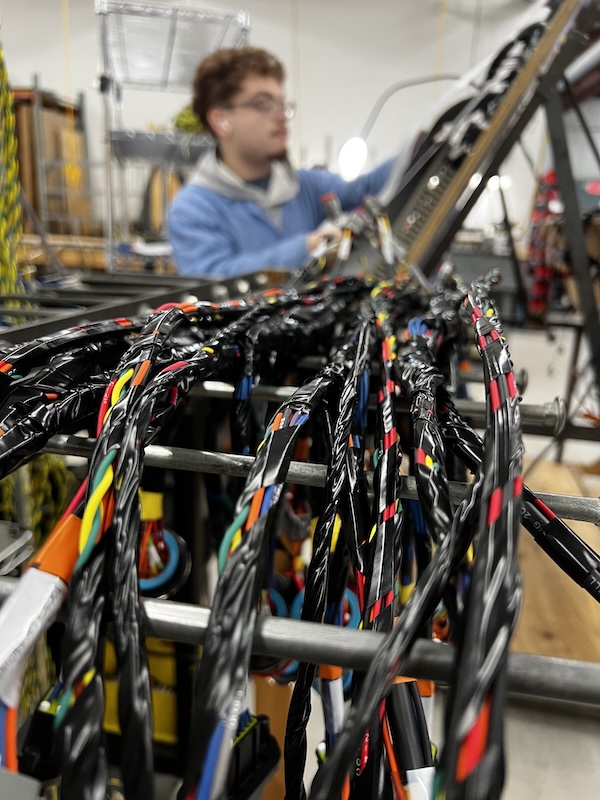
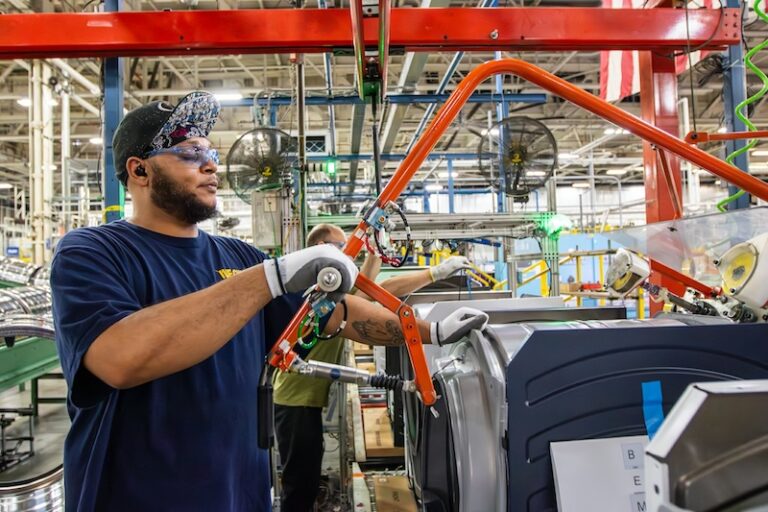
You can’t find enough “A-to-Z” assemblers who can read complex prints, interpret specs, and build from scratch. Even if you could, it’s not scalable. So, we deconstructed our process into specialized work cells — kitting, prep, crimping, routing, sleeving, and testing.
The product was too large to move, so the people moved instead. It looked like a beehive — constant motion, collaboration, and precision. Instead of needing experts in everything, we trained operators to master one or two processes.
That simple change transformed our productivity. We went from 7,000 to 15,000 productive hours a month without doubling headcount. New hires were contributing within 30 days instead of six months.
It wasn’t easy. It required retraining, rethinking, and a huge cultural leap. I told my team, “By June 1, we’re doing it the new way. If it fails, I’ll take the blame.” Fortunately, it didn’t fail — it flourished.
That experience taught me that scaling isn’t about adding more people. It’s about designing smarter systems that let good people do great work.
Digital Transformation: The Next Frontier
Even after optimizing operations, one major bottleneck remained — the front end.
Every day, customers would send us flattened PDFs of their harness designs. My engineers would spend hours re-entering data, cross-referencing part numbers, and scrubbing BOMs. None of that was value-added work, but it consumed our best minds.
It finally hit me: our industry’s last frontier isn’t physical; it’s digital. We’re losing time and money in the gap between the customer’s design and our production reality.
That realization led to Cableteque. I didn’t set out to start a new company; I set out to solve a problem. We needed tools that could bridge that gap — software that could extract data directly from designs, automate quoting, flag errors, and even suggest alternatives for obsolete components.
The goal isn’t to replace people. It’s to free them. The best engineers shouldn’t be doing data entry; they should be solving complex problems.
When I see shops using these tools today, I recognize the same transformation I experienced years ago. They’re not just faster — they’re smarter. They’re turning their tribal knowledge into digital knowledge. That’s the next evolution of our industry.
Results: Proof That Change Works
Between 2019 and 2022, El-Com grew from $15 million to $50 million. The same culture and systems carried that momentum even after I left. Shortly after, the company crossed the $100 million mark — more than sixfold growth in under six years.
But those numbers only tell part of the story. The real success was seeing people thrive. Teams that once struggled became top performers. Engineers who used to hide behind drawings became collaborators. Customers who once saw us as vendors started calling us partners.
That’s what transformation looks like — not just more revenue, but more pride.
Reflections for Fellow Leaders
Looking back, I realize how close I came to giving up at several points. When Puerto Rico was bleeding cash, when customers were leaving, when the easy answers stopped working — it would’ve been simple to walk away.
But the truth is, those moments were gifts. They forced me to confront what wasn’t working, to listen to my people, and to make decisions that scared me.
If you’re leading a harness business today and feeling the margin squeeze, know this: you are not a commodity. The path to higher value is real, but it requires courage. You have to stop chasing every job, stop hiding the numbers, and stop waiting for customers to fix their own drawings.
It starts with you.
Share your data. Focus on a niche. Be brutally transparent. Partner with engineers. Train for specialization. Automate the front end. Every one of those steps builds momentum — and together, they can change the trajectory of your company.
Closing: The White Rice Revisited
When I think back to that “white rice” comment, I’m grateful for it. It hurt, but it was honest. It forced me to look in the mirror and realize that I was competing in the wrong game.
We don’t have to be the cheapest. We don’t have to be the biggest. We just have to be the most valuable.
Every leader in this industry will face their own white rice moment — that day when they realize hard work alone isn’t enough. The difference between those who stay stuck and those who break through is simple: a decision to change the game.
That decision turned my company around. It might just do the same for yours.